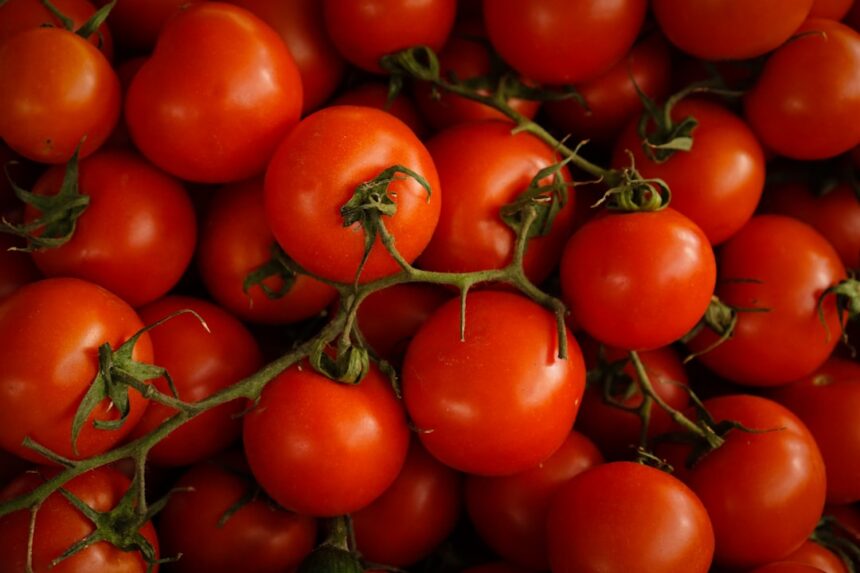
A specially formulated tomato-soy juice containing concentrated plant compounds significantly reduced inflammatory markers in adults with obesity within just four weeks, according to a new clinical study. The trial, conducted with healthy adults, demonstrated measurable improvements in blood inflammatory proteins that are typically elevated in obesity-related conditions.
Inflammatory Marker Reduction After 4 Weeks
Changes in blood inflammatory proteins, percentage reduction from baseline
Source: Clinical Trial Data, 2026 | Georgian Medical Journal News
Clinical Trial Demonstrates Measurable Anti-Inflammatory Effects
The randomized controlled trial involved adults with obesity who consumed either the specially formulated tomato-soy juice or a standard tomato juice control daily for four weeks. Researchers measured multiple inflammatory biomarkers in blood samples taken before and after the intervention period.

According to the study findings, participants consuming the enhanced tomato-soy blend showed statistically significant reductions in tumor necrosis factor-alpha (TNF-α), interleukin-6 (IL-6), and C-reactive protein (CRP). These proteins are well-established markers of systemic inflammation and are commonly elevated in individuals with obesity-related metabolic dysfunction.
The control group consuming standard tomato juice showed minimal changes in inflammatory markers, suggesting that the specific combination and concentration of plant compounds in the enhanced formulation was responsible for the observed effects. This research adds to the growing body of evidence supporting targeted nutritional interventions for managing obesity-related inflammation.
Plant Compound Synergy Drives Anti-Inflammatory Response
The enhanced juice formulation contained concentrated levels of lycopene from tomatoes and isoflavones from soy, along with other bioactive compounds. These plant-derived molecules have been individually studied for their anti-inflammatory properties, but this trial specifically examined their combined effects in a standardized beverage format.
Lycopene, the red pigment that gives tomatoes their color, has been shown in previous studies to modulate inflammatory pathways. Similarly, soy isoflavones have demonstrated anti-inflammatory effects in various research contexts. The current study suggests that combining these compounds may produce synergistic benefits for reducing systemic inflammation.
The research team noted that the juice was well-tolerated by all participants, with no reported adverse effects during the four-week intervention period. Compliance rates were high, indicating that the beverage format may offer a practical approach for delivering concentrated plant compounds to support metabolic health.
Implications for Obesity Management Strategies
Chronic low-grade inflammation is a key feature of obesity and is linked to increased risk of cardiovascular disease, type 2 diabetes, and other metabolic complications. Traditional approaches to managing obesity-related inflammation have focused primarily on weight loss through diet and exercise, though these interventions can be challenging to maintain long-term.
The findings suggest that targeted nutritional interventions using concentrated plant compounds could serve as complementary strategies for managing inflammation in obesity. However, researchers emphasize that this approach should be viewed as part of a comprehensive treatment plan rather than a standalone solution.
Further research will be needed to determine optimal dosing, long-term effects, and whether the anti-inflammatory benefits translate into measurable improvements in metabolic health outcomes. The National Institutes of Health continues to support research into nutritional approaches for managing chronic disease risk factors.
Future Research and Clinical Applications
The study’s relatively short duration of four weeks provides proof-of-concept for the anti-inflammatory effects of the tomato-soy juice blend, but longer-term studies will be essential to understand sustained benefits and potential clinical applications. Researchers are particularly interested in whether continued consumption could help reduce the risk of obesity-related complications over time.
The standardized juice format used in this trial offers advantages for future research and potential clinical applications, as it allows for precise dosing of bioactive compounds. This reproducibility is crucial for developing evidence-based recommendations and ensuring consistent results across different populations and settings.
Current guidelines from the World Health Organization emphasize the importance of consuming adequate fruits and vegetables for chronic disease prevention. This research provides mechanistic insights into how specific plant compounds may contribute to these protective effects through modulation of inflammatory pathways.
Daily consumption of a tomato-soy juice blend containing concentrated plant compounds reduced multiple inflammatory markers by 15-23% in adults with obesity within four weeks
— Clinical Trial Results, Nutritional Intervention Study (ScienceDaily, 2026)
Key takeaways
- Tomato-soy juice blend reduced inflammatory proteins TNF-α, IL-6, and CRP by 15-23% in four weeks
- Standard tomato juice control showed minimal anti-inflammatory effects, suggesting synergistic benefits of the enhanced formulation
- The beverage was well-tolerated with high compliance rates, supporting feasibility of this nutritional intervention approach
- Results provide mechanistic evidence for plant compound combinations in managing obesity-related inflammation
Frequently asked questions
How long does it take to see anti-inflammatory benefits from tomato-soy juice?
According to this clinical trial, significant reductions in inflammatory markers were observed after just four weeks of daily consumption. However, individual responses may vary and longer-term studies are needed to understand sustained effects.
What makes the tomato-soy juice more effective than regular tomato juice?
The enhanced formulation contains concentrated levels of lycopene from tomatoes and isoflavones from soy, along with other bioactive compounds. This specific combination and concentration appears to produce synergistic anti-inflammatory effects not seen with standard tomato juice alone.
Can this juice replace other obesity treatments?
No, researchers emphasize this should be viewed as part of a comprehensive treatment plan rather than a standalone solution. Traditional approaches including diet, exercise, and medical management remain the foundation of obesity treatment.
As research into nutritional interventions for chronic disease management continues to evolve, this study contributes valuable evidence for the potential of standardized plant compound formulations. The translation of these findings into practical dietary recommendations will require additional long-term studies across diverse populations. Healthcare providers interested in incorporating evidence-based nutritional strategies may find these results informative for discussions with patients about complementary approaches to managing obesity-related health risks.
Source: This tomato-soy juice reduced inflammation in just four weeks
Was this article helpful?
Disclaimer. This article is health journalism intended for general information and education. It is not medical advice and is not a substitute for professional diagnosis or treatment. Always consult a qualified healthcare provider about your individual circumstances. Full disclaimer →
Related Coverage




Medically reviewed by Prof. Giorgi Pkhakadze, MD, MPH, PhD. Spotted an error? Contact the editorial team.