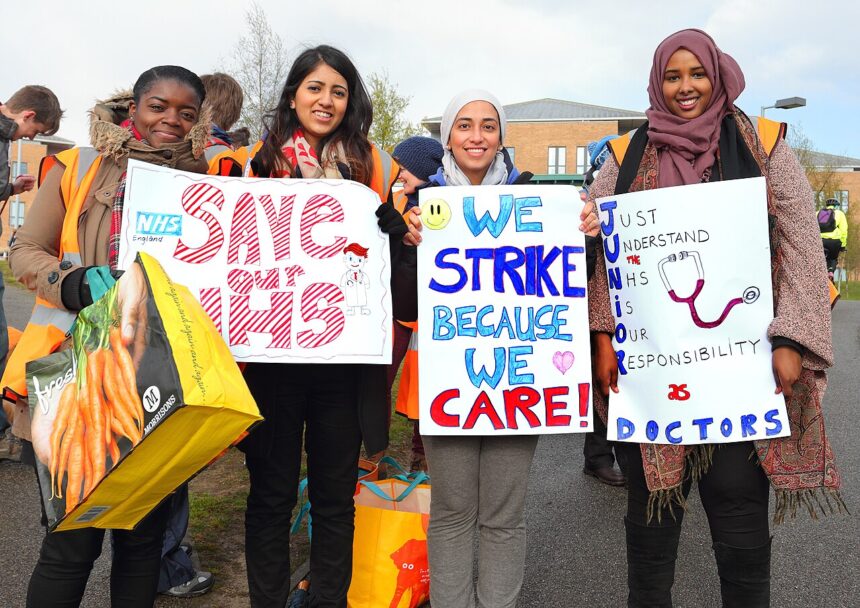
Healthcare services across the UK face significant disruption as the British Medical Association announced additional strike action in an escalating dispute over physician pay, with health officials acknowledging that procedure cancellations will be unavoidable. The industrial action represents the latest escalation in a protracted conflict between medical professionals and government health authorities over compensation and working conditions.
Key takeaways
- British Medical Association announces new strike action over ongoing pay disputes
- Hospital administrators confirm patient procedure cancellations will be unavoidable
- Healthcare disruption continues pattern of industrial action across UK medical system
Healthcare Strike Impact Assessment
Service disruption levels during medical industrial action
Source: NHS England | Georgian Medical Journal News
Strike Action Details and Timeline
The British Medical Association has formally announced additional strike dates as part of their ongoing industrial action over pay and working conditions. Hospital administrators across the National Health Service have begun contingency planning to manage the anticipated service disruptions.

Healthcare leaders acknowledge that the scale of the planned action will necessitate widespread cancellations of non-emergency procedures and outpatient appointments. This continues a pattern of healthcare policy disputes that have affected medical services throughout 2024.
Patient Care Impact and Service Disruption
Hospital trusts are implementing emergency protocols to maintain critical services while managing the workforce shortage during strike periods. Priority systems ensure that emergency care and urgent treatments continue, though routine healthcare delivery will experience significant delays.
The disruption affects multiple aspects of healthcare delivery, from scheduled surgeries to diagnostic services, creating cascading effects throughout the medical system. Patient advocacy groups have expressed concern about the cumulative impact on healthcare access and treatment outcomes.
Healthcare System Resilience Under Pressure
The ongoing dispute highlights broader challenges facing healthcare systems globally, including workforce retention, fair compensation, and sustainable funding models. Similar tensions between medical professionals and health authorities have emerged across multiple countries, reflecting systemic pressures in modern healthcare delivery.
Healthcare policy experts note that these industrial actions reflect deeper structural issues within medical systems, requiring comprehensive approaches to address both immediate service delivery and long-term workforce sustainability challenges.
Hospital cancellations during strike action are unavoidable given the scale of medical professional participation in industrial action
— NHS Hospital Administrators (BBC News, 2024)
What this means
Frequently asked questions
How do hospital strikes affect emergency care?
Emergency departments typically maintain skeleton staffing during strikes to handle life-threatening situations. However, waiting times may increase significantly.
What procedures are most likely to be cancelled?
Elective surgeries, routine outpatient appointments, and non-urgent diagnostic procedures face the highest cancellation risk during industrial action.
How long might these healthcare disruptions continue?
The duration depends on successful resolution of pay disputes between medical associations and health authorities, which could take weeks or months.
The healthcare strike situation demonstrates the complex balance between professional advocacy and patient care delivery, highlighting the need for sustainable solutions that address both workforce concerns and healthcare system resilience. Resolution will require collaborative approaches between medical professionals, health administrators, and government authorities to ensure both fair compensation and uninterrupted patient care.
Source: Cancellations ‘unavoidable’ during hospital strike
Was this article helpful?
Disclaimer. This article is health journalism intended for general information and education. It is not medical advice and is not a substitute for professional diagnosis or treatment. Always consult a qualified healthcare provider about your individual circumstances. Full disclaimer →
Related Coverage



Editorial standards. This article was produced under the GMJ News editorial process, with oversight by the GMJ Editorial Board. Our editorial process. Spotted an error? Contact the editorial team.