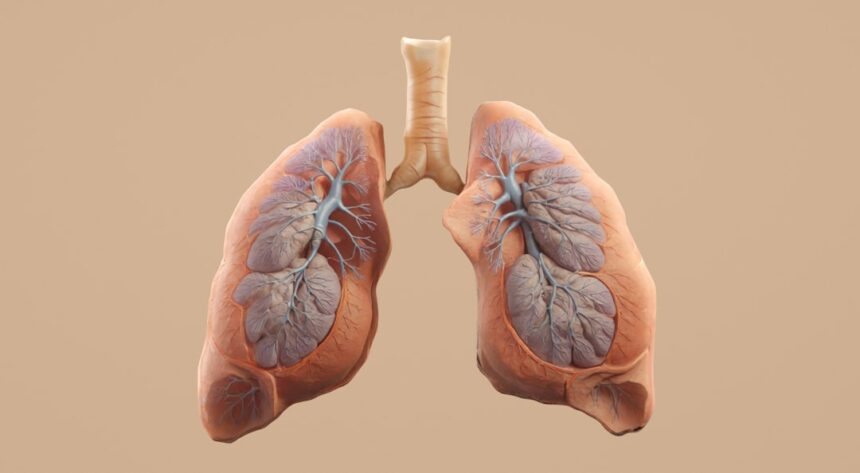
A significant finding from the University of Cincinnati challenges prevailing assumptions about surgical outcomes in lung cancer patients. Researchers discovered that lung cancer patients who continue smoking before surgical resection experience similar short-term mortality rates compared to those who quit, despite documented differences in complications. The study documented substantially higher pulmonary complication rates among current smokers, including pneumonia, air leak prolongation, and mechanical ventilation requirements. However, when analyzing mortality outcomes in the short-term postoperative period, no statistically significant differences emerged between the two groups. These data suggest that while smoking increases specific respiratory risks requiring careful management, it may not negatively impact immediate survival outcomes following surgical resection. The findings have important implications for surgical decision-making protocols across institutions. Read the full article on GMJ Newsroom.
Was this article helpful?