By using this site, you agree to the Privacy Policy and Terms of Use.
Accept
GMJ NewsGMJ NewsGMJ News
  • Latest News
    • GMJ Briefs
  • Podcast & Media
    • Podcast Episodes
    • GMJ Audio
    • GMJ Videos
  • Research Digest
    • New Studies
    • Georgian Research
    • Data & Numbers
  • Policy & Systems
    • Health Policy
    • Quality & Safety
    • Migration & Health
    • Global Health
  • Practice
    • Clinical Updates
    • Case Discussions
    • Pharmacy & Prescribing
    • Ingredients A-Z
  • Perspectives
    • Editorial
    • Explainers
    • Voices
    • Letters
  • GMJ Articles
    • Vol. 1 Issue 2 (2026)
    • Vol. 1 Issue 1 (2026)
    • Pre-Launch Articles (2025)
  • Read the Journal →
  • About GMJ News
Notification Show More
Font ResizerAa
GMJ NewsGMJ News
Font ResizerAa
  • Latest News
    • GMJ Briefs
  • Podcast & Media
    • Podcast Episodes
    • GMJ Audio
    • GMJ Videos
  • Research Digest
    • New Studies
    • Georgian Research
    • Data & Numbers
  • Policy & Systems
    • Health Policy
    • Quality & Safety
    • Migration & Health
    • Global Health
  • Practice
    • Clinical Updates
    • Case Discussions
    • Pharmacy & Prescribing
    • Ingredients A-Z
  • Perspectives
    • Editorial
    • Explainers
    • Voices
    • Letters
  • GMJ Articles
    • Vol. 1 Issue 2 (2026)
    • Vol. 1 Issue 1 (2026)
    • Pre-Launch Articles (2025)
  • Read the Journal →
  • About GMJ News
Follow US
GMJ News > GMJ Briefs > A Century Later: Why Insulin Access Remains a Global Health Crisis

A Century Later: Why Insulin Access Remains a Global Health Crisis

GMJ
Last updated: 22/06/2026 12:17
By
Prof. Giorgi Pkhakadze
Share
1 Min Read
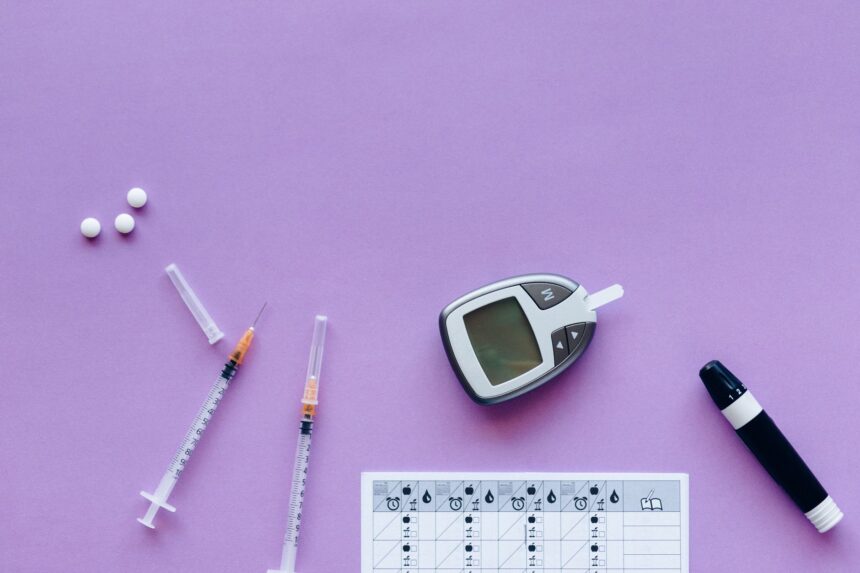
Medical vial of insulin with syringe representing diabetes treatment access challenges
More than a century after its discovery, insulin remains inaccessible to millions despite being a WHO essential medicine. Access barriers continue to prevent effective diabetes management globally. — Photo by Nataliya Vaitkevich on Pexels (Pexels License)
SHARE
1 min read|134 words

Over 105 years after insulin’s groundbreaking discovery transformed Type 1 diabetes from a fatal diagnosis into a manageable chronic condition, millions worldwide still cannot access this life-saving treatment. The 1921 breakthrough by Frederick Banting and colleagues at the University of Toronto revolutionized diabetes care, yet today approximately 8.4 million people living with Type 1 diabetes face significant barriers to consistent insulin therapy.

Despite its designation as an essential medicine by the World Health Organization, insulin accessibility remains severely compromised across low- and middle-income countries. Complex supply chain disruptions, manufacturing constraints, and economic barriers continue to prevent effective diabetes management for vulnerable populations globally. This persistent access crisis underscores a critical gap between medical innovation and equitable healthcare delivery—a challenge that demands urgent attention from policymakers, healthcare systems, and international health organizations.

Read the full article on GMJ Newsroom.

Was this article helpful?

GMJ Brief · Announcement

📰 Read the full article: Insulin Remains Inaccessible to Millions Despite Century of Progress →

Related reference
  • Type 1 Diabetes · Condition
  • Insulin · Drug
Share This Article
Facebook LinkedIn Bluesky Copy Link Print
GMJ
ByProf. Giorgi Pkhakadze
Follow:
Prof. Giorgi Pkhakadze, MD, MPH, PhD, is Editor-in-Chief of the Georgian Medical Journal and Chair of the Public Health Institute of Georgia (PHIG). He is Professor and Head of the Department of Social and Behavioural Sciences at David Tvildiani Medical University, and Secretary/Treasurer of the UEMS Section of Public Health. ORCID: 0000-0001-7609-4515.

Submit Your Paper →

Georgia's peer-reviewed open-access medical journal. No APC until January 2027.
Submit Manuscript →
Surgical Menopause Linked to Severe Urogenital Symptoms Compared to Natural Menopause

New research shows surgical menopause leads to more severe genitourinary symptoms than…

European Drug Pricing Pressures Rise as U.S. Policy Ripple Effects Spread Across Markets

European countries are adopting divergent pharmaceutical pricing policies, creating market complexity and…

Republican Opposition to Opioid Treatment Medications Sparks Policy Debate

Republican federal actions and proposals targeting opioid treatment medications have sparked debate…

Submit Your Paper to GMJ

No APC until January 2027.
Submit Manuscript →

You Might Also Like

Rural healthcare facility with digital health monitoring equipment

New Data: 65% of Rural Health Studies Cannot Use Traditional RCT Designs

By
Prof. Giorgi Pkhakadze
13/06/2026
Medical illustration showing stem cell-derived heart patch being placed on damaged cardiac tissue

Stem Cell Heart Patches Offer New Treatment Path for Millions with Advanced Heart Failure

By
Prof. Giorgi Pkhakadze
04/06/2026
Medical illustration showing hepatitis B virus and treatment breakthrough concept

GSK’s Experimental Hepatitis B Drug Shows Promise in Phase 2 Trials

By
Prof. Giorgi Pkhakadze
04/06/2026

PHEIC Declaration: Ebola Cross-Border Transmission DRC-Uganda

By
Prof. Giorgi Pkhakadze
31/05/2026
Facebook Twitter Youtube Instagram
Company
  • Privacy Policy
  • Contact US
  • GMJ Journal
  • Submit Manuscript
  • Editorial Team
  • Register at GMJ
  • Terms of Use

Subscribe to GMJ News — Click here

Join Community
© 2026 Georgian Medical Journal (GMJ). Published by the Public Health Institute of Georgia (PHIG). All rights reserved.
Welcome Back!

Sign in to your account

Username or Email Address
Password

Lost your password?

Not a member? Sign Up