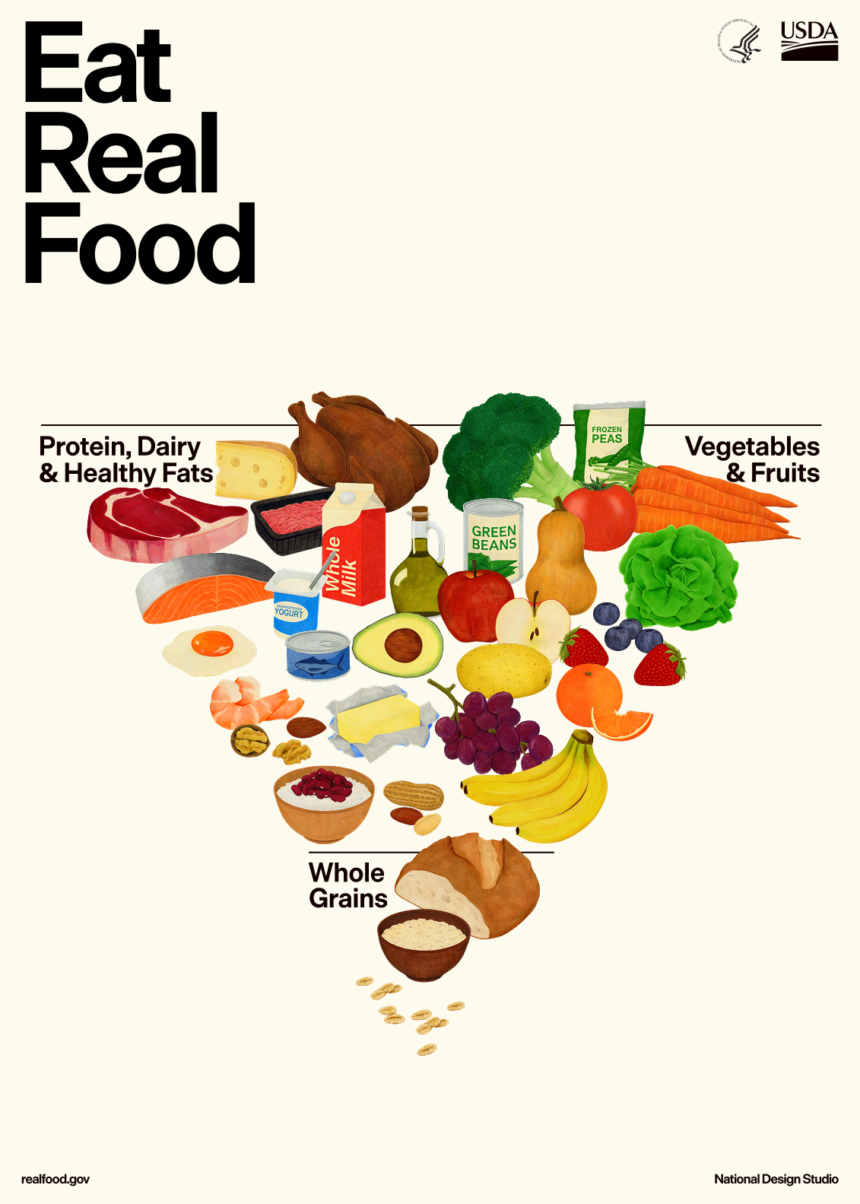
Despite five editions of the US Dietary Guidelines spanning four decades, adherence remains critically low. CDC surveillance data reveals that fewer than 10% of Americans meet recommended intake levels across all food groups simultaneously—a sobering statistic that underscores the persistent gap between nutritional science and public health outcomes.
The newly released 2025-2030 guidelines maintain evidence-based core recommendations while attempting to address these implementation barriers through enhanced focus on health equity and structural access issues. However, the low adherence rates suggest that maintaining scientific recommendations alone is insufficient without addressing underlying factors limiting dietary compliance.
The analysis indicates that industry lobbying and political considerations have historically diluted evidence-based conclusions in dietary guideline development. Bridging the adherence gap requires coordinated efforts addressing food affordability, availability, and cultural adaptation alongside policy implementation. Read the full article on GMJ Newsroom.
Was this article helpful?