By using this site, you agree to the Privacy Policy and Terms of Use.
Accept
GMJ NewsGMJ NewsGMJ News
  • Latest News
    • GMJ Briefs
  • Podcast & Media
    • Podcast Episodes
    • GMJ Audio
    • GMJ Videos
  • Research Digest
    • New Studies
    • Georgian Research
    • Data & Numbers
  • Policy & Systems
    • Health Policy
    • Quality & Safety
    • Migration & Health
    • Global Health
  • Practice
    • Clinical Updates
    • Case Discussions
    • Pharmacy & Prescribing
    • Ingredients A-Z
  • Perspectives
    • Editorial
    • Explainers
    • Voices
    • Letters
  • Health Topics
  • GMJ Articles
    • Vol. 1 Issue 2 (2026)
    • Vol. 1 Issue 1 (2026)
    • Pre-Launch Articles (2025)
  • Read the Journal →
  • About GMJ News
Notification Show More
Font ResizerAa
GMJ NewsGMJ News
Font ResizerAa
  • Latest News
    • GMJ Briefs
  • Podcast & Media
    • Podcast Episodes
    • GMJ Audio
    • GMJ Videos
  • Research Digest
    • New Studies
    • Georgian Research
    • Data & Numbers
  • Policy & Systems
    • Health Policy
    • Quality & Safety
    • Migration & Health
    • Global Health
  • Practice
    • Clinical Updates
    • Case Discussions
    • Pharmacy & Prescribing
    • Ingredients A-Z
  • Perspectives
    • Editorial
    • Explainers
    • Voices
    • Letters
  • Health Topics
  • GMJ Articles
    • Vol. 1 Issue 2 (2026)
    • Vol. 1 Issue 1 (2026)
    • Pre-Launch Articles (2025)
  • Read the Journal →
  • About GMJ News
Follow US
GMJ News > Practice > Case Discussions > Paraneoplastic Neurologic Syndrome Diagnosed in 65-Year-Old Woman with Small Cell Lung Cancer
Case DiscussionsPractice

Paraneoplastic Neurologic Syndrome Diagnosed in 65-Year-Old Woman with Small Cell Lung Cancer

GMJ
Last updated: 23/06/2026 18:42
By
GMJ Practice Desk
Share
6 Min Read
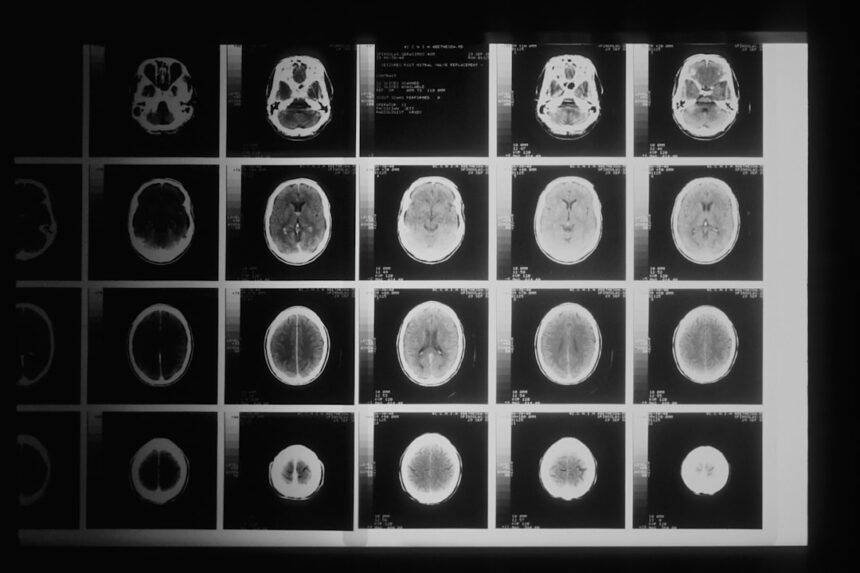
Medical illustration showing paraneoplastic neurologic syndrome affecting nervous systemIllustrative image · Photo by National Cancer Institute on Unsplash (Unsplash License)
A 65-year-old woman with progressive neurological symptoms was diagnosed with paraneoplastic neurologic syndrome secondary to small cell lung cancer. The case highlights diagnostic challenges when neurological symptoms precede cancer detection. — Photo by National Cancer Institute on Unsplash (Unsplash License)
SHARE
🎧 Listen to this article4:51 min · 689 words · GMJ Audio
3 min read|689 words
✓ Reviewed by GMJ News Editorial Team

🟠 Moderate Evidence

Contents
    • Key takeaways
      • Study at a Glance
      • Paraneoplastic Neurologic Syndromes by Cancer Type
  • Diagnostic Complexity in Paraneoplastic Syndromes
  • Clinical Presentation and Recognition
  • Treatment Implications and Outcomes
    • What this means
  • Frequently asked questions
    • What are the most common symptoms of paraneoplastic neurologic syndrome?
    • How is paraneoplastic neurologic syndrome diagnosed?
    • Can neurological symptoms improve after cancer treatment?

A 65-year-old woman presenting with progressive neurological symptoms was diagnosed with paraneoplastic neurologic syndrome secondary to small cell lung cancer, according to a new case report published in the Canadian Medical Association Journal. The case highlights the diagnostic challenges clinicians face when neurological symptoms precede cancer detection, potentially delaying critical treatment decisions.

Key takeaways

  • Paraneoplastic neurologic syndromes can present before cancer diagnosis in up to 80% of cases
  • Small cell lung cancer accounts for approximately 50% of all paraneoplastic neurologic syndromes
  • Early recognition and antibody testing can expedite cancer screening and improve outcomes

Study at a Glance

Source Canadian Medical Association Journal
Study type Case report
Sample size N = 1
Population 65-year-old woman
Country Canada
50%
of paraneoplastic neurologic syndromes are associated with small cell lung cancer

Paraneoplastic Neurologic Syndromes by Cancer Type

Distribution of underlying malignancies in paraneoplastic cases, %

Small cell lung cancer
50%
Breast cancer
20%
Ovarian cancer
15%
Hodgkin lymphoma

10%

Other cancers

5%

Source: Neurological literature review | Georgian Medical Journal News

Submit Your Paper
GMJ_Submit_Banner

Diagnostic Complexity in Paraneoplastic Syndromes

Paraneoplastic neurologic syndromes represent a significant diagnostic challenge, as neurological symptoms often manifest months or even years before the underlying malignancy becomes apparent. The CMAJ case report demonstrates the typical presentation pattern where progressive neurological deterioration prompted extensive workup before cancer detection.

🎙️ Related Podcast Episodes
🎬 GMJ Video Series | Rare Case: Lung Cancer & Tuberculosis Coexistence

According to established neurological literature, these syndromes affect approximately 1 in 10,000 cancer patients, with small cell lung cancer being the most common underlying malignancy. The condition results from immune cross-reactivity between tumor antigens and normal neural tissue, leading to autoimmune destruction of nervous system components.

Clinical Presentation and Recognition

The 65-year-old patient’s case exemplifies the classical presentation of paraneoplastic neurologic syndrome, where progressive neurological symptoms preceded cancer diagnosis. Clinical recognition relies heavily on high index of suspicion, particularly in patients over 50 years presenting with subacute neurological deterioration.

Neurologists emphasize that specific antibody panels, including anti-Hu, anti-Yo, and anti-Ri antibodies, serve as crucial diagnostic markers. The presence of these paraneoplastic antibodies should trigger immediate comprehensive cancer screening, as early detection significantly impacts treatment outcomes and prognosis.

Treatment Implications and Outcomes

Management of paraneoplastic neurologic syndromes requires a dual approach targeting both the underlying malignancy and the autoimmune neurological process. The National Cancer Institute guidelines emphasize that prompt cancer treatment often stabilizes or improves neurological symptoms.

Immunosuppressive therapies, including corticosteroids, intravenous immunoglobulin, and plasma exchange, may provide neurological symptom relief while definitive cancer treatment is initiated. However, the degree of neurological recovery varies significantly depending on the extent of neural damage at diagnosis and the specific syndrome subtype involved.

Paraneoplastic neurologic syndromes precede cancer diagnosis in approximately 80% of cases, with small cell lung cancer accounting for half of all documented instances.

— Neurological Paraneoplastic Syndromes Review, Multiple Institutions (Neurological Literature, 2024)

What this means

For patients: Adults over 50 experiencing progressive neurological symptoms should seek immediate medical evaluation, as early detection can significantly improve cancer treatment outcomes
For clinicians: Maintain high clinical suspicion for paraneoplastic syndromes in patients with subacute neurological deterioration and order appropriate antibody panels to expedite cancer screening
For policymakers: Healthcare systems should ensure rapid access to specialized antibody testing and multidisciplinary care coordination between neurology and oncology services

Frequently asked questions

What are the most common symptoms of paraneoplastic neurologic syndrome?

The most frequent symptoms include progressive weakness, cognitive changes, seizures, movement disorders, and sensory abnormalities. Symptoms typically develop over weeks to months and worsen progressively without treatment.

How is paraneoplastic neurologic syndrome diagnosed?

Diagnosis relies on clinical presentation combined with positive paraneoplastic antibody testing and identification of an underlying malignancy. Specific antibody panels can identify the likely cancer type and guide screening efforts.

Can neurological symptoms improve after cancer treatment?

Neurological improvement varies significantly depending on the syndrome type and extent of neural damage at diagnosis. Some patients experience stabilization or partial recovery, while others may have persistent deficits despite successful cancer treatment.

This case underscores the critical importance of recognizing paraneoplastic neurologic syndromes as potential harbingers of underlying malignancy. Enhanced awareness among healthcare providers and improved access to specialized diagnostic testing will likely improve outcomes for patients facing these complex, interconnected conditions. The integration of neurology and oncology care remains essential for optimizing both cancer treatment and neurological recovery in affected patients.

Source: Paraneoplastic neurologic syndrome in a 65-year-old woman with small cell lung cancer [Practice]

Was this article helpful?

Disclaimer. This article is health journalism intended for general information and education. It is not medical advice and is not a substitute for professional diagnosis or treatment. Always consult a qualified healthcare provider about your individual circumstances. Full disclaimer →

Related Coverage

Functional Testing Reshapes Coronary Artery Disease Diagnosis: What Cardiologists Need to KnowAug 19, 2026
Trampoline Injuries Rise Among Children: A Case for Vigilance and PreventionAug 19, 2026
High benchmark scores mask critical brittleness in health AI systems, Nature Medicine study revealsAug 19, 2026
University of Queensland Drug Targets Immune Receptor, Offering Hope for Motor Neuron DiseaseAug 19, 2026
Explore more on this topic:🧭 Cancer hub🧭 Sexually Transmitted Infections hub🧭 Diarrhoeal Diseases hub
🔥 Most read this week
1High-Dose Zinc Supplements May Create Copper Deficiency, Warn Nutrition Experts
2How Coffee Brewing Method Affects Cholesterol: The Science Behind Diterpenes and Filters
3Creatine Kidney Damage Myth Debunked by Major Safety Review of 26,000 Participants
4How Coffee and Tea Reduce Iron Absorption: A Mechanism Explained
Related reference
  • Breast Cancer · Condition
  • Lung Cancer · Condition
PG
Editorial oversight
Prof. Giorgi Pkhakadze, MD, MPH, PhD
Editor-in-Chief, GMJ News
Full profile →  ·  ORCID 0000-0001-7609-4515
Medical disclaimer. This article is health journalism intended for general information. It is not medical advice and is not a substitute for consultation with a qualified healthcare professional. Always seek your physician's advice regarding any medical condition.
Editorial standards. This article was produced under the GMJ News editorial process, with oversight by the GMJ Editorial Board. Our editorial process. Spotted an error? Contact the editorial team.

📬 GMJ Health Digest
Evidence-based medical news, once a week. Free, no spam, unsubscribe anytime.
TAGGED:cancer diagnosiscase reportneurologyparaneoplastic syndromesmall cell lung cancer
Share This Article
Facebook LinkedIn Bluesky Copy Link Print
GMJ
ByGMJ Practice Desk
Follow:
GMJ Practice Desk is part of GMJ News, the newsroom of the Georgian Medical Journal (gmj.ge), published by the Public Health Institute of Georgia. Every article is editorially reviewed before publication.
Leave a Comment Leave a Comment

Leave a Reply Cancel reply

Your email address will not be published. Required fields are marked *

Submit Your Paper →

Georgia's peer-reviewed open-access medical journal. No APC until January 2027.
Submit Manuscript →
Mental Performance in Elite Football: How Top Players Use Psychology to Gain Competitive Advantage

Elite football players leverage cognitive psychology and mental performance techniques to enhance…

Functional Testing Reshapes Coronary Artery Disease Diagnosis: What Cardiologists Need to Know

Functional physiological testing, particularly fractional flow reserve (FFR), is reshaping how cardiologists…

Trampoline Injuries Rise Among Children: A Case for Vigilance and Prevention

A clinical case report in the New England Journal of Medicine highlights…

Submit Your Paper to GMJ

No APC until January 2027.
Submit Manuscript →

You Might Also Like

Comparison of olive oil polyphenol content across retail brands showing variation within extra virgin gradeIllustrative image · "Homegrown Tomatoes and Buffalo Mozarella Salad with Cinnamon Basil and Extra Virgin Olive Oil" by Fareham Wine is licensed under CC BY 2.0. To view a copy of this license, visit https://creativecommons.org/licenses/by/2.0/. (CC BY 2.0)
Clinical UpdatesExplainersPerspectivesPractice

Extra Virgin Olive Oil’s Grade Doesn’t Measure What Matters: Why Polyphenol Content Goes Unlabelled

By
GMJ Practice Desk
24/07/2026
Senior adult performing supervised preoperative exercise program before spinal surgeryIllustrative image · Photo by World Sikh Organization of Canada on Pexels (Pexels License)
Clinical UpdatesNew StudiesPracticeResearch Digest

Preoperative Exercise Improves Recovery in Elderly Spinal Fusion Patients, New Trial Shows

By
GMJ Practice Desk
13/07/2026
Medical students participating in virtual residency interviews on computer screens
Clinical UpdatesPractice

Virtual vs In-Person Medical Residency Interviews Show No Difference in Outcomes, NEJM Study Finds

By
GMJ Practice Desk
11/06/2026
Illustration of AI-augmented clinical decision-making in hematology oncology with patient data and tumor board collaborationIllustrative image · Evidence-Based Medicine 5-Stage Cycle Infographic.png by Wiseworker2026, Google Gemini AI, and ChatGPT / Public domain via Wikimedia Commons (Public domain)
Clinical UpdatesNew StudiesPracticeResearch Digest

AI Agent Matches Hematology Experts in Cancer Treatment Decisions, Nature Medicine Study Shows

By
GMJ Practice Desk
18/08/2026
Facebook Twitter Youtube Instagram
Company
  • Privacy Policy
  • Contact US
  • GMJ Journal
  • Submit Manuscript
  • Editorial Team
  • Register at GMJ
  • Terms of Use

Subscribe to GMJ News — Click here

Join Community
© 2026 Georgian Medical Journal (GMJ). Published by the Public Health Institute of Georgia (PHIG). All rights reserved.
Welcome Back!

Sign in to your account

Username or Email Address
Password

Lost your password?

Not a member? Sign Up