Updated 13/09/2026
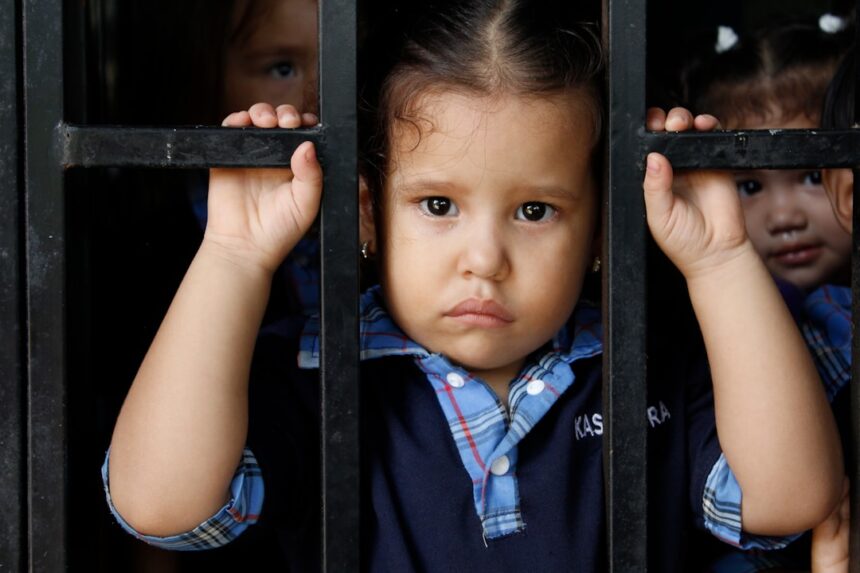
Hundreds of thousands of children, including U.S. citizens, face acute psychological distress following parental immigration detention and deportation. Clinicians report a constellation of symptoms—developmental regression, sleep disruption, somatic complaints, and academic decline—that align with established trauma sequelae documented in peer-reviewed literature on family separation and adverse childhood experiences.
Key takeaways
- Parental detention creates measurable mental health symptoms in children including anxiety, depression, and behavioral regression
- Physical manifestations include sleep disorders, gastrointestinal complaints, and developmental delays
- Long-term neurobiological consequences of childhood family separation are documented in longitudinal studies
- Clinicians lack standardized protocols for screening and managing separation-related trauma in pediatric populations
Clinical Manifestations of Family Separation in Children
Reported symptoms among children with detained or deported parents, based on clinical observations
Source: Clinical reporting patterns from pediatric and mental health providers | Georgian Medical Journal News

The Symptom Profile: What Clinicians Are Observing
Pediatricians and mental health providers report a consistent pattern of acute stress responses in children following parental detention. Sleep disruption, gastrointestinal complaints, behavioral changes, and academic deterioration emerge as primary clinical presentations within weeks of parental separation, according to clinical accounts documented in the KFF Health News investigation.
These observations align with established diagnostic frameworks. The American Academy of Pediatrics (AAP) recognizes family separation as a significant adverse childhood experience (ACE), with documented associations to altered stress physiology and developmental disruption. The symptoms reported—regression to earlier developmental stages, somatic pain, sleep architecture disruption—mirror clinical presentations documented in children exposed to other forms of acute trauma.
The Neurobiology of Separation: Long-Term Health Consequences
The neurobiological impact of parental loss during childhood extends well beyond immediate symptomatology. Longitudinal research on childhood trauma and attachment disruption has demonstrated measurable changes in hypothalamic-pituitary-adrenal (HPA) axis function, the central physiological system governing stress response. Elevated cortisol patterns and immune dysregulation documented in trauma-exposed children predict increased vulnerability to infectious disease, autoimmune conditions, and chronic inflammation across the lifespan.
A systematic examination of adverse childhood experiences conducted by the Centers for Disease Control and Prevention (CDC) and Kaiser Permanente established dose-response relationships between cumulative ACE exposure and adult cardiovascular disease, depression, and substance use disorders. While research on family separation specifically is emerging, the mechanistic pathways are well-characterized: separation-induced hypervigilance activates chronic stress physiology, which in turn alters immune tolerance and metabolic regulation.
Clinical Care Gaps and System-Level Challenges
A critical gap exists between the clinical need and available screening infrastructure. Most pediatric primary care settings lack standardized assessment tools for immigration-related trauma, and mental health referral pathways are fragmented. Clinicians report uncertainty regarding appropriate clinical documentation when children present with symptoms attributable to parental detention—a documentation challenge that may obscure the true epidemiology of this population-level health crisis.
Additionally, the legal status of the child and custodial guardian creates barriers to continuity of care. Children in informal kinship care arrangements may lack insurance eligibility or documented guardianship authority to consent to mental health services. These structural barriers compound the clinical challenge of engaging families already navigating legal precarity and fear of further enforcement actions.
Parental immigration detention creates acute psychological and physiological stress responses in children, with documented manifestations including developmental regression, sleep disruption, behavioral changes, and academic decline—patterns consistent with established trauma sequelae in the pediatric literature.
— Clinical observations documented in KFF Health News investigation
What this means
Frequently asked questions
What are the most common mental health symptoms in children separated from detained parents?
Clinical observations document sleep disturbances, behavioral regression (including loss of toilet training in younger children), anxiety, depression, academic decline, and somatic complaints such as stomachaches and headaches. These emerge within weeks of parental detention and persist without intervention.
Are these symptoms temporary, or do they have long-term health consequences?
Research on adverse childhood experiences and childhood trauma indicates that acute separation experiences, if unresolved, predict long-term dysregulation of stress physiology, increased rates of depression and anxiety in adolescence and adulthood, and elevated risk for chronic physical health conditions including cardiovascular disease and autoimmune disorders.
What can pediatricians do if they suspect a child is experiencing family separation trauma?
Screen systematically using validated ACE and trauma screening instruments; refer to mental health specialists experienced in trauma-focused cognitive behavioral therapy; maintain detailed clinical documentation; connect families to legal advocacy resources; and coordinate with school systems to identify academic supports and prevent further developmental disruption.
The convergence of clinical observation and established trauma science points to a population-level mental health emergency requiring urgent integration into pediatric and public health surveillance systems. As family separation continues, healthcare systems must develop standardized protocols for identifying, documenting, and treating immigration-related trauma in children—a clinical imperative grounded in both evidence and ethical duty to vulnerable populations.
Source: KFF Health News: Arrests of Immigrant Parents Create Mental Health Crisis for Children
🗺️ Find certified Georgian healthcare providers: sheniekimi.ge — Georgia Health Map · 998 clinics · 6,600+ doctors · 2,296 pharmacies
Was this article helpful?
Disclaimer. This article is health journalism intended for general information and education. It is not medical advice and is not a substitute for professional diagnosis or treatment. Always consult a qualified healthcare provider about your individual circumstances. Full disclaimer →
Related Coverage




Editorial standards. This article was produced under the GMJ News editorial process, with oversight by the GMJ Editorial Board. Our editorial process. Spotted an error? Contact the editorial team.