By using this site, you agree to the Privacy Policy and Terms of Use.
Accept
GMJ NewsGMJ NewsGMJ News
  • Latest News
    • GMJ Briefs
  • Podcast & Media
    • Podcast Episodes
    • GMJ Audio
    • GMJ Videos
  • Research Digest
    • New Studies
    • Georgian Research
    • Data & Numbers
  • Policy & Systems
    • Health Policy
    • Quality & Safety
    • Migration & Health
    • Global Health
  • Practice
    • Clinical Updates
    • Case Discussions
    • Pharmacy & Prescribing
    • Ingredients A-Z
  • Perspectives
    • Editorial
    • Explainers
    • Voices
    • Letters
  • GMJ Articles
    • Vol. 1 Issue 2 (2026)
    • Vol. 1 Issue 1 (2026)
    • Pre-Launch Articles (2025)
  • Read the Journal →
  • About GMJ News
Notification Show More
Font ResizerAa
GMJ NewsGMJ News
Font ResizerAa
  • Latest News
    • GMJ Briefs
  • Podcast & Media
    • Podcast Episodes
    • GMJ Audio
    • GMJ Videos
  • Research Digest
    • New Studies
    • Georgian Research
    • Data & Numbers
  • Policy & Systems
    • Health Policy
    • Quality & Safety
    • Migration & Health
    • Global Health
  • Practice
    • Clinical Updates
    • Case Discussions
    • Pharmacy & Prescribing
    • Ingredients A-Z
  • Perspectives
    • Editorial
    • Explainers
    • Voices
    • Letters
  • GMJ Articles
    • Vol. 1 Issue 2 (2026)
    • Vol. 1 Issue 1 (2026)
    • Pre-Launch Articles (2025)
  • Read the Journal →
  • About GMJ News
Follow US
GMJ News > GMJ Briefs > Understanding the Triple Crisis: War, Displacement, and Maternal Health Collapse

Understanding the Triple Crisis: War, Displacement, and Maternal Health Collapse

GMJ
Last updated: 25/07/2026 08:43
By
Prof. Giorgi Pkhakadze
Share
1 Min Read
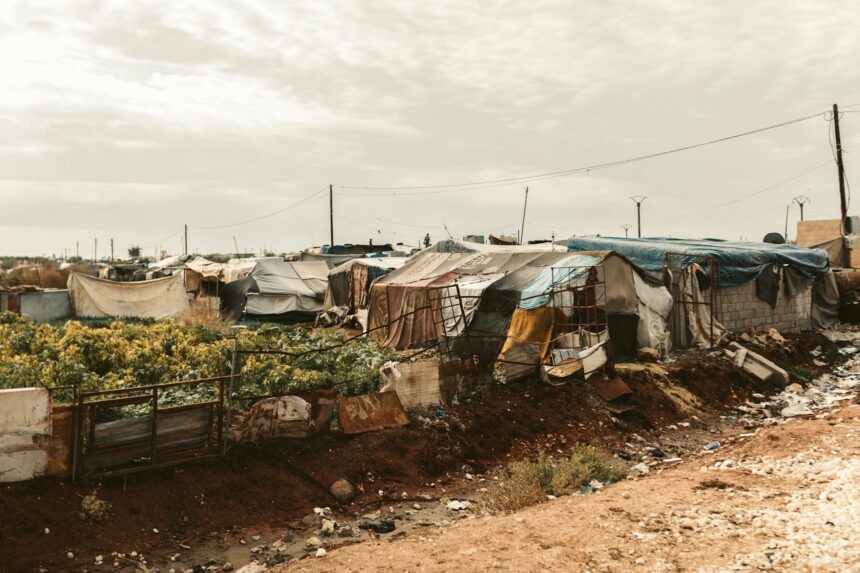
Pregnant Sudanese refugee women waiting for prenatal consultation at Birao District Hospital in Central African Republic
Pregnant Sudanese refugee women in Central African Republic face 138 times higher maternal mortality risk than EU countries. International aid cuts compound healthcare infrastructure challenges for 36,414 displaced refugees. — Photo by Abd Alrhman Al Darra on Pexels (Pexels License)
SHARE
1 min read|151 words

For healthcare professionals and policymakers, the Sudanese refugee maternal health crisis in the Central African Republic presents three interconnected challenges demanding immediate action. First, 36,414 Sudanese refugees have fled civil war into a healthcare system already overwhelmed by existing demands. Second, CAR’s maternal mortality ratio of 829 per 100,000 births—138 times higher than EU standards—reflects catastrophic gaps in obstetric care capacity.

Third, international aid cuts are actively worsening conditions when resources should expand. Pregnant refugee women encounter delayed access to prenatal services, insufficient skilled birth attendants, and limited emergency obstetric capabilities. Healthcare infrastructure degradation directly translates to preventable maternal deaths.

Key implications for stakeholders: humanitarian organizations must prioritize reproductive health services in refugee settings; donor nations should reverse aid reductions; and the international medical community should advocate for equitable resource allocation. These actionable steps represent essential components of any comprehensive response to this maternal health emergency.

Read the full article on GMJ Newsroom.

Submit Your Paper
GMJ_Submit_Banner

Was this article helpful?

GMJ Brief · Takeaway

📰 Read the full article: Maternal mortality crisis deepens for Sudanese refugee women in Central African Republic →

Share This Article
Facebook LinkedIn Bluesky Copy Link Print
GMJ
ByProf. Giorgi Pkhakadze
Follow:
Prof. Giorgi Pkhakadze, MD, MPH, PhD, is Editor-in-Chief of the Georgian Medical Journal and Chair of the Public Health Institute of Georgia (PHIG). He is Professor and Head of the Department of Social and Behavioural Sciences at David Tvildiani Medical University, and Secretary/Treasurer of the UEMS Section of Public Health. ORCID: 0000-0001-7609-4515.

Submit Your Paper →

Georgia's peer-reviewed open-access medical journal. No APC until January 2027.
Submit Manuscript →
Why Coffee Affects Everyone Differently: The Science of Caffeine Metabolism

Caffeine metabolism is governed by liver enzymes, genetics, and lifestyle factors, explaining…

PQQ Shows Consistent Benefits for Inflammation, Energy, and Memory in Human Trials

Pyrroloquinoline quinone (PQQ), a naturally occurring micronutrient, shows consistent improvements in inflammatory…

Matcha vs Steeped Green Tea: Why Preparation Chemistry Matters More Than the Leaf

Matcha and steeped green tea contain the same plant but differ fundamentally…

Submit Your Paper to GMJ

No APC until January 2027.
Submit Manuscript →

You Might Also Like

Medical illustration of egg nutrients and brain health: choline, lutein, DHA; Alzheimer's protection concept

Landmark 15-Year Study Reveals Eggs as Protective Factor Against Alzheimer’s Disease

By
Prof. Giorgi Pkhakadze
23/07/2026
Rural healthcare facility with digital health monitoring equipment

Three Essential Shifts in Rural Health Research: What Clinicians Need to Know

By
Prof. Giorgi Pkhakadze
30/06/2026

EBOLA OUTBREAK – CROSS-BORDER SPREAD DRC-UGANDA: WHO PHEIC DECLARATION

By
Prof. Giorgi Pkhakadze
31/05/2026
Medical consultation showing gynecological examination room with healthcare equipment

Three Critical Lessons from a Pharmacist’s Missed Vulvar Cancer Diagnosis

By
Prof. Giorgi Pkhakadze
27/06/2026
Facebook Twitter Youtube Instagram
Company
  • Privacy Policy
  • Contact US
  • GMJ Journal
  • Submit Manuscript
  • Editorial Team
  • Register at GMJ
  • Terms of Use

Subscribe to GMJ News — Click here

Join Community
© 2026 Georgian Medical Journal (GMJ). Published by the Public Health Institute of Georgia (PHIG). All rights reserved.
Welcome Back!

Sign in to your account

Username or Email Address
Password

Lost your password?

Not a member? Sign Up