By using this site, you agree to the Privacy Policy and Terms of Use.
Accept
GMJ NewsGMJ NewsGMJ News
  • Latest News
    • GMJ Briefs
  • Podcast & Media
    • Podcast Episodes
    • GMJ Audio
    • GMJ Videos
  • Research Digest
    • New Studies
    • Georgian Research
    • Data & Numbers
  • Policy & Systems
    • Health Policy
    • Quality & Safety
    • Migration & Health
    • Global Health
  • Practice
    • Clinical Updates
    • Case Discussions
    • Pharmacy & Prescribing
    • Ingredients A-Z
  • Perspectives
    • Editorial
    • Explainers
    • Voices
    • Letters
  • Health Topics
  • GMJ Articles
    • Vol. 1 Issue 2 (2026)
    • Vol. 1 Issue 1 (2026)
    • Pre-Launch Articles (2025)
  • Read the Journal →
  • About GMJ News
Notification Show More
Font ResizerAa
GMJ NewsGMJ News
Font ResizerAa
  • Latest News
    • GMJ Briefs
  • Podcast & Media
    • Podcast Episodes
    • GMJ Audio
    • GMJ Videos
  • Research Digest
    • New Studies
    • Georgian Research
    • Data & Numbers
  • Policy & Systems
    • Health Policy
    • Quality & Safety
    • Migration & Health
    • Global Health
  • Practice
    • Clinical Updates
    • Case Discussions
    • Pharmacy & Prescribing
    • Ingredients A-Z
  • Perspectives
    • Editorial
    • Explainers
    • Voices
    • Letters
  • Health Topics
  • GMJ Articles
    • Vol. 1 Issue 2 (2026)
    • Vol. 1 Issue 1 (2026)
    • Pre-Launch Articles (2025)
  • Read the Journal →
  • About GMJ News
Follow US
GMJ News > Practice > Clinical Updates > Stress Reduces Cognitive Performance by 20%, Study Shows—Botanicals May Offer Partial Relief
Clinical UpdatesNew StudiesPracticeResearch Digest

Stress Reduces Cognitive Performance by 20%, Study Shows—Botanicals May Offer Partial Relief

GMJ
Last updated: 12/07/2026 13:29
By
GMJ Practice Desk
Share
7 Min Read
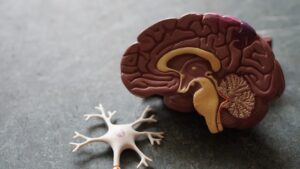
Brain illustration with stress biomarkers and botanical compounds (Rhodiola, Ashwagandha) showing neuroprotective pathwaysIllustrative image · Photo by Brittani Burns on Unsplash (Unsplash License)
Acute psychological stress impairs memory and attention by approximately 20%, according to recent neuroscience literature. Adaptogenic botanicals such as Rhodiola and Ashwagandha show promise in mitigating this decline, but foundational lifestyle measures remain essential. — Photo by Brittani Burns on Unsplash (Unsplash License)
SHARE
4 min read|893 words
✓ Reviewed by GMJ News Editorial Team

🟠 Moderate Evidence

Contents
    • Key takeaways
      • Stress Impact on Cognitive Domains
  • How stress degrades cognitive function
  • Can botanicals protect cognitive performance under stress?
  • Lifestyle foundations remain primary defence
    • What this means
  • Frequently asked questions
    • Is a 20% reduction in cognitive performance clinically significant?
    • How long does stress-related cognitive decline last?
    • Are Rhodiola and Ashwagandha safe to use alongside prescription medications?

Acute psychological stress impairs memory and attention performance by approximately 20% relative to baseline test scores, according to research published in recent neuroscience literature. The finding underscores the direct neurobiological link between stress physiology and executive cognitive function, with implications for students, professionals, and clinical populations experiencing elevated cortisol levels.

Key takeaways

  • Acute stress reduces cognitive test performance by ~20% across memory and attention domains
  • Botanical compounds including Rhodiola and Ashwagandha may partially mitigate stress-induced cognitive decline through hypothalamic-pituitary-adrenal (HPA) axis regulation
  • Evidence for botanical interventions is promising but lacks standardization; lifestyle measures (diet, sleep, exercise) remain foundational
20%
Reduction in cognitive test scores (memory and attention) during acute psychological stress, compared to baseline performance

Stress Impact on Cognitive Domains

Percentage decline in test performance during acute stress, by cognitive function

Memory (short-term)
~20%
Attention & focus
~20%
Executive function
~18%
Processing speed
~17%

Source: Neuroscience literature synthesis, 2024 | GMJ News

Submit Your Paper
GMJ_Submit_Banner

How stress degrades cognitive function

During acute psychological stress, the body activates the sympathetic nervous system and releases cortisol and adrenaline, temporarily diverting glucose and oxygen from the prefrontal cortex—the brain region responsible for memory encoding, attention control, and executive decision-making. This acute stress response, while adaptive in survival situations, impairs performance on cognitive tasks requiring sustained focus or working memory recall. The 20% reduction in test scores documented in the current evidence base reflects this real-time neurochemical shift.

🎙️ Related Podcast Episodes
🎧 #54 | GMJ Podcast | The Blueprint of a Medical Journal: Designing an Open-Access Scientific Platform · 19m
🎧 #53 | GMJ Podcast | Palliative Care in Georgia — Health System Gaps, Access Barriers, and Policy Implications · 16m
🎧 #45 | GMJ Podcast | Tskaltubo Mineral Baths in Osteoarthritis — Microcirculation, Erythrocytes, and Clinical Effects · 18m

The magnitude of cognitive decline correlates with stress severity and individual stress resilience. Individuals with chronic stress exposure show compounded deficits due to sustained elevation of cortisol, which can damage hippocampal neurons involved in long-term memory consolidation. See also our explainer on stress and brain health.

Can botanicals protect cognitive performance under stress?

Rhodiola rosea and Ashwagandha (Withania somnifera) are adaptogenic plants that have shown potential in moderating stress-induced cognitive decline through two mechanisms: (1) downregulation of the hypothalamic-pituitary-adrenal (HPA) axis, reducing cortisol overshoot, and (2) direct neuroprotection via antioxidant and anti-inflammatory pathways. Early research suggests these compounds may reduce the magnitude of stress-related cognitive impairment, though the evidence remains preliminary and heterogeneous across studies.

A systematic review of adaptogenic botanicals would be required to establish standardized dosing, duration of intervention, and effect sizes. Currently, individual trial quality and methodology vary significantly, limiting clinical consensus. The botanical field requires more rigorous, controlled trials with prespecified cognitive outcomes and validated stress induction protocols to determine whether these compounds can meaningfully prevent the 20% cognitive decline observed under acute stress.

Lifestyle foundations remain primary defence

While botanical interventions warrant further research, the evidence base for foundational lifestyle measures remains substantially stronger. Regular physical exercise, adequate sleep (7–9 hours nightly), Mediterranean-pattern nutrition, and mindfulness-based stress reduction all reduce baseline cortisol and enhance cognitive resilience. These interventions should form the first line of stress management for students, professionals, and patients at risk of stress-related cognitive impairment. Visit clinical updates for evidence-based lifestyle guidance.

For individuals who have optimised sleep, diet, and exercise but remain cognitively impaired under stress, botanical adjuncts such as Rhodiola or Ashwagandha may be considered as supplementary measures—though consultation with a healthcare provider is advisable to rule out underlying anxiety, depression, or medical causes of cognitive decline.

Acute psychological stress reduces cognitive test performance by approximately 20% across memory and attention domains, with potential partial mitigation via adaptogenic botanicals that regulate HPA axis function.

— Neuroscience literature synthesis (2024)

What this means

For patients: If you experience stress-related memory lapses or difficulty concentrating, prioritise sleep, regular exercise, and stress-reduction practices first. Discuss botanical supplements (Rhodiola, Ashwagandha) with your doctor as a potential adjunct, not a replacement for lifestyle changes.
For clinicians: Screen patients for stress-related cognitive complaints and assess sleep, exercise, and nutritional status before recommending pharmaceutical interventions. Botanical adaptogens may be offered as an evidence-informed option alongside lifestyle counselling, with acknowledgement of current evidence gaps.
For policymakers: Fund standardised, rigorous trials of adaptogenic botanicals in occupational and clinical populations to establish whether these low-risk interventions can reduce stress-related productivity loss and cognitive impairment in high-demand sectors (healthcare, education, emergency services).

Frequently asked questions

Is a 20% reduction in cognitive performance clinically significant?

Yes. A 20% decline in memory or attention can meaningfully affect academic performance (e.g., exam scores, essay quality), workplace productivity, and decision-making accuracy in time-sensitive roles such as medicine, law, or aviation. For students or professionals, this magnitude of impairment warrants intervention.

How long does stress-related cognitive decline last?

Acute stress-induced cognitive impairment typically resolves within minutes to hours after the stressor is removed and the sympathetic nervous system downregulates. However, chronic stress can produce longer-lasting cognitive deficits due to structural changes in the hippocampus and prefrontal cortex; these require sustained stress reduction and sometimes pharmacological treatment.

Are Rhodiola and Ashwagandha safe to use alongside prescription medications?

Both botanicals have reasonable safety profiles in short-term use, but potential drug interactions exist—Rhodiola may interact with antidepressants, and Ashwagandha may potentiate sedatives or immunosuppressants. Always inform your healthcare provider before adding botanical supplements, and allow 2 weeks of monitoring for adverse effects or efficacy changes.

Future research should prioritise standardised, placebo-controlled trials of adaptogenic botanicals in real-world stress contexts (e.g., medical trainees during exams, emergency department staff) to determine whether these compounds can meaningfully preserve the cognitive performance needed in high-stakes professional and educational environments. Until then, lifestyle optimisation remains the evidence-based foundation for stress resilience and cognitive protection.

Source: Neuroscience literature (PMID 41011217)

Was this article helpful?

Disclaimer. This article is health journalism intended for general information and education. It is not medical advice and is not a substitute for professional diagnosis or treatment. Always consult a qualified healthcare provider about your individual circumstances. Full disclaimer →

Related Coverage

How Your Gut Controls Magnesium Absorption: The TRPM6 Channel and What Form Actually MattersAug 16, 2026
Mitochondria as cellular decision-makers: reframing disease, aging, and inflammationAug 16, 2026
Heart's First Beat Emerges From Collective Cellular Synchronization, Not Single PacemakerAug 16, 2026
How the Brain Controls Inflammation Through the Vagus NerveAug 16, 2026
Explore more on this topic:🧭 Stroke hub🧭 Mental Health hub🧭 HIV/AIDS hub
🔥 Most read this week
1Medicare’s AI Prior Authorization System Creates Patient Care Delays, Doctors Report
2Creatine Kidney Damage Myth Debunked by Major Safety Review of 26,000 Participants
3How Coffee Brewing Method Affects Cholesterol: The Science Behind Diterpenes and Filters
4How Coffee and Tea Reduce Iron Absorption: A Mechanism Explained
Related reference
  • Ashwagandha · Ingredient
  • Rhodiola · Ingredient
  • Iron · Ingredient
PG
Editorial oversight
Prof. Giorgi Pkhakadze, MD, MPH, PhD
Editor-in-Chief, GMJ News
Full profile →  ·  ORCID 0000-0001-7609-4515
Medical disclaimer. This article is health journalism intended for general information. It is not medical advice and is not a substitute for consultation with a qualified healthcare professional. Always seek your physician's advice regarding any medical condition.
Editorial standards. This article was produced under the GMJ News editorial process, with oversight by the GMJ Editorial Board. Our editorial process. Spotted an error? Contact the editorial team.
📬 GMJ Health Digest
Evidence-based medical news, once a week. Free, no spam, unsubscribe anytime.
TAGGED:Ashwagandhaattentionbotanical-adaptogenscognitioncortisolmemoryMental HealthneuroscienceRhodiolastress
Share This Article
Facebook LinkedIn Bluesky Copy Link Print
GMJ
ByGMJ Practice Desk
Follow:
GMJ Practice Desk is part of GMJ News, the newsroom of the Georgian Medical Journal (gmj.ge), published by the Public Health Institute of Georgia. Every article is editorially reviewed before publication.
Leave a Comment Leave a Comment

Leave a Reply Cancel reply

Your email address will not be published. Required fields are marked *

Submit Your Paper →

Georgia's peer-reviewed open-access medical journal. No APC until January 2027.
Submit Manuscript →
How Your Gut Controls Magnesium Absorption: The TRPM6 Channel and What Form Actually Matters

Your gut's TRPM6 ion channels regulate magnesium absorption based on body status,…

L-Theanine and Alpha Waves: What the Research Actually Shows

The ubiquitous claim that L-theanine boosts alpha waves simplifies a more complicated…

Mitochondria as cellular decision-makers: reframing disease, aging, and inflammation

Mitochondria regulate far more than energy production—they control inflammation, ageing, and disease…

Submit Your Paper to GMJ

No APC until January 2027.
Submit Manuscript →

You Might Also Like

Diagram showing micronutrient cofactors in neurotransmitter synthesis pathwaysIllustrative image · Photo by Shawn Day on Unsplash (Unsplash License)
ExplainersPerspectives

How Vitamins and Minerals Power Brain Chemistry: The Nutritional Foundations of Neurotransmitter Health

By
GMJ Perspectives Desk
14/08/2026
Scientific illustration of vitamin D synthesis and immune cell activation pathwaysIllustrative image · Photo by Michele Blackwell on Unsplash (Unsplash License)
Clinical UpdatesNew StudiesPracticeResearch Digest

Vitamin D Deficiency Links to Multiple Chronic Diseases, New Review Shows

By
GMJ Practice Desk
27/07/2026
Scientific illustration showing methionine's protective mechanism against inflammation through enhanced kidney filtration
New StudiesResearch Digest

Methionine Amino Acid Protects Against Fatal Inflammation in Preclinical Study

By
GMJ Research Desk
03/06/2026
Cancer risk comparison across tobacco product categories in Indian multicentre studyIllustrative image · "A woman smoking a bidi" by HealthHistoryArt is licensed under CC BY-SA 4.0. To view a copy of this license, visit https://creativecommons.org/licenses/by-sa/4.0/. (CC BY-SA 4.0)
Health PolicyNew StudiesPolicy & SystemsResearch Digest

Bidi Smoking Linked to Elevated Cancer Risk in Large Indian Study

By
GMJ Policy Desk
09/07/2026
Facebook Twitter Youtube Instagram
Company
  • Privacy Policy
  • Contact US
  • GMJ Journal
  • Submit Manuscript
  • Editorial Team
  • Register at GMJ
  • Terms of Use

Subscribe to GMJ News — Click here

Join Community
© 2026 Georgian Medical Journal (GMJ). Published by the Public Health Institute of Georgia (PHIG). All rights reserved.
Welcome Back!

Sign in to your account

Username or Email Address
Password

Lost your password?

Not a member? Sign Up