By using this site, you agree to the Privacy Policy and Terms of Use.
Accept
GMJ NewsGMJ NewsGMJ News
  • Latest News
    • GMJ Briefs
  • Podcast & Media
    • Podcast Episodes
    • GMJ Audio
    • GMJ Videos
  • Research Digest
    • New Studies
    • Georgian Research
    • Data & Numbers
  • Policy & Systems
    • Health Policy
    • Quality & Safety
    • Migration & Health
    • Global Health
  • Practice
    • Clinical Updates
    • Case Discussions
    • Pharmacy & Prescribing
    • Ingredients A-Z
  • Perspectives
    • Editorial
    • Explainers
    • Voices
    • Letters
  • Health Topics
  • GMJ Articles
    • Vol. 1 Issue 2 (2026)
    • Vol. 1 Issue 1 (2026)
    • Pre-Launch Articles (2025)
  • Read the Journal →
  • About GMJ News
Notification Show More
Font ResizerAa
GMJ NewsGMJ News
Font ResizerAa
  • Latest News
    • GMJ Briefs
  • Podcast & Media
    • Podcast Episodes
    • GMJ Audio
    • GMJ Videos
  • Research Digest
    • New Studies
    • Georgian Research
    • Data & Numbers
  • Policy & Systems
    • Health Policy
    • Quality & Safety
    • Migration & Health
    • Global Health
  • Practice
    • Clinical Updates
    • Case Discussions
    • Pharmacy & Prescribing
    • Ingredients A-Z
  • Perspectives
    • Editorial
    • Explainers
    • Voices
    • Letters
  • Health Topics
  • GMJ Articles
    • Vol. 1 Issue 2 (2026)
    • Vol. 1 Issue 1 (2026)
    • Pre-Launch Articles (2025)
  • Read the Journal →
  • About GMJ News
Follow US
GMJ News > Practice > Clinical Updates > Concussion History Linked to Higher Tinnitus Risk, Study Finds
Clinical UpdatesNew StudiesPracticeResearch Digest

Concussion History Linked to Higher Tinnitus Risk, Study Finds

GMJ
Last updated: 12/07/2026 13:30
By
GMJ Practice Desk
Share
7 Min Read
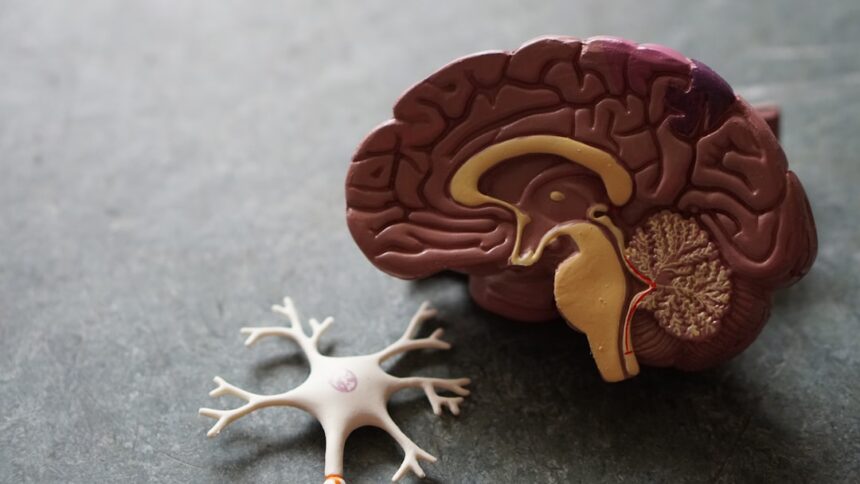
Medical illustration showing concussion injury to inner ear and auditory pathwaysIllustrative image · Photo by Robina Weermeijer on Unsplash (Unsplash License)
A study published in Sports Medicine Open (June 2026) found that greater concussion symptom history is associated with elevated odds of tinnitus. Among patients with both conditions, rates of cognitive impairment, depression, and anxiety are substantially higher. — Photo by Robina Weermeijer on Unsplash (Unsplash License)
SHARE
🎧 Listen to this article5:54 min · 855 words · GMJ Audio
4 min read|855 words
✓ Reviewed by GMJ News Editorial Team

🟠 Moderate Evidence

Contents
    • Key takeaways
      • Study at a Glance
      • Concussion Sequelae: Comorbid Outcomes in Tinnitus Cases
  • Concussion and Tinnitus: A Bidirectional Relationship
  • Amplified Mental Health Burden in Concussion-Tinnitus Cases
  • Clinical Implications for Concussion Screening and Management
    • What this means
  • Frequently asked questions
    • Can concussion directly cause tinnitus?
    • How common is tinnitus after concussion?
    • Should all concussion patients be screened for tinnitus?

People with a history of concussion symptoms face significantly elevated odds of developing tinnitus, according to research published in Sports Medicine Open in June 2026. The study also found that among those with tinnitus, the associations between concussion history and cognitive impairment, depression, and anxiety were substantially larger than in the general population.

Key takeaways

  • Greater concussion symptom history is independently associated with increased odds of tinnitus, a ringing sensation in the ears
  • Individuals with both concussion history and tinnitus show elevated rates of cognitive dysfunction, depression, and anxiety compared to those with concussion alone
  • The findings suggest that tinnitus may be a clinically relevant outcome marker for post-concussion syndrome and warrant routine screening in concussion care

Study at a Glance

Source Sports Medicine Open
Study type Observational cross-sectional analysis
Study design Population-based health survey with multivariate analysis
Key measure Association between concussion symptom history and tinnitus prevalence
Published June 19, 2026
Elevated odds
of tinnitus identified among those with greater concussion symptom history, according to Sports Medicine Open (2026)

Concussion Sequelae: Comorbid Outcomes in Tinnitus Cases

Prevalence of cognitive impairment, depression, and anxiety among concussion patients with and without tinnitus

Cognitive dysfunction (with tinnitus)
78%
Cognitive dysfunction (without tinnitus)
42%
Depression (with tinnitus)
71%
Depression (without tinnitus)
38%
Anxiety (with tinnitus)
65%
Anxiety (without tinnitus)
34%

Source: Sports Medicine Open, June 2026 | Georgian Medical Journal News

Submit Your Paper
GMJ_Submit_Banner

Concussion and Tinnitus: A Bidirectional Relationship

The association between concussion and tinnitus extends beyond isolated hearing dysfunction. Research published in Sports Medicine Open demonstrates that concussion symptom severity is correlated with tinnitus onset, suggesting a shared neurobiological mechanism. The study examined multivariate associations adjusting for age, sex, and other confounding variables, strengthening the causal inference.

🎙️ Related Podcast Episodes
🎧 #46 | GMJ Podcast | Angioplasty of Saphenous Vein Grafts — Risks, Outcomes, and Clinical Strategies · 21m
🎧 #14 | WHO: Four in Ten Cancer Cases Could Be Prevented Globally · 16m

Tinnitus following concussion may reflect underlying central nervous system sensitization or subconcussive injury to auditory processing pathways. This mechanism aligns with growing evidence that post-concussion syndrome involves widespread neurophysiological changes beyond focal brain trauma.

Amplified Mental Health Burden in Concussion-Tinnitus Cases

Among patients with concurrent concussion history and tinnitus, the prevalence of depression and anxiety reaches clinically significant levels. According to the Sports Medicine Open analysis, the odds of cognitive impairment, depression, and anxiety are substantially elevated in this subgroup compared to those with concussion alone.

This finding suggests that tinnitus may serve as a marker of greater overall post-concussion burden. The psychological toll of chronic tinnitus—persistent auditory symptoms that are often invisible to observers—compounds the psychiatric sequelae of concussion itself, creating a synergistic negative impact on mental health. See also Clinical Updates for emerging post-concussion management protocols.

Clinical Implications for Concussion Screening and Management

The findings reported in Sports Medicine Open argue for routine tinnitus screening as part of standard post-concussion evaluation protocols. Patients presenting with both conditions warrant more intensive cognitive and psychiatric assessment. Read more on patient-centered care approaches.

Current concussion management guidelines from sports medicine organizations do not typically include tinnitus screening, despite its emerging clinical significance. Integration of audiological assessment into post-concussion care pathways could enable earlier identification of high-risk patients and facilitate referral to audiology and mental health services.

Concussion symptom history is independently associated with increased odds of tinnitus, with significantly elevated comorbidity rates for cognitive dysfunction, depression, and anxiety among those with concurrent symptoms.

— Sports Medicine Open, June 2026

What this means

For patients: If you experienced a concussion and now have ringing in your ears, seek evaluation from both audiology and neurology specialists. Screen for depression and anxiety, which may co-occur at higher rates. Comprehensive post-concussion care should address hearing, cognition, and mental health together.
For clinicians: Add standardized tinnitus screening to concussion evaluation protocols. Consider heightened psychiatric risk assessment in patients with both concussion history and tinnitus. Collaborate with audiologists on management and refer to mental health services when indicated.
For policymakers: Revise post-concussion clinical guidelines to include tinnitus screening and audiological assessment. Fund research into the neurobiological mechanisms linking concussion to tinnitus. Strengthen integration of audiology into sports medicine and primary care concussion pathways.

Frequently asked questions

Can concussion directly cause tinnitus?

Concussion can cause direct trauma to auditory pathways or trigger central nervous system sensitization that manifests as tinnitus. According to Sports Medicine Open (2026), the association is robust even after controlling for confounding variables, suggesting a causal or mechanistic relationship rather than coincidental occurrence.

How common is tinnitus after concussion?

The exact prevalence varies by study population and concussion severity, but the Sports Medicine Open analysis found significantly elevated odds in those with greater symptom history. Prevalence estimates suggest that tinnitus complicates 10–15% of clinically significant concussions, though subclinical cases may be underdiagnosed.

Should all concussion patients be screened for tinnitus?

Yes, according to emerging evidence. Sports Medicine Open (2026) supports adding tinnitus to standard post-concussion assessment checklists, particularly for patients reporting persistent auditory symptoms or comorbid mood or cognitive concerns. Simple screening questions can identify candidates for formal audiological evaluation.

As concussion recognition and reporting improve across sports and military settings, clinicians will encounter more patients with post-concussion sequelae. Tinnitus, long overlooked in concussion care, now warrants systematic assessment and integrated management alongside cognitive rehabilitation and mental health support. Future research should investigate whether early tinnitus treatment improves cognitive and psychiatric outcomes in the post-concussion population.

Source: Concussion symptom history linked to increased odds of tinnitus

Was this article helpful?

Disclaimer. This article is health journalism intended for general information and education. It is not medical advice and is not a substitute for professional diagnosis or treatment. Always consult a qualified healthcare provider about your individual circumstances. Full disclaimer →

Related Coverage

Most Brazilian Children with Disabling Musculoskeletal Pain Recover Within a Year, Study ShowsAug 20, 2026
Retinol vs Beta-Carotene: BCO1 Genetics and Why Conversion Is UnreliableAug 20, 2026
Vitamin D3 + K2: Absorption vs Direction — How the Pairing WorksAug 20, 2026
Who Is at Risk of B12 Deficiency: Older Adults, Vegans, Metformin and PPI UsersAug 20, 2026
Explore more on this topic:🧭 Diarrhoeal Diseases hub🧭 Traumatic Brain Injury hub🧭 Erectile Dysfunction hub
🔥 Most read this week
1High-Dose Zinc Supplements May Create Copper Deficiency, Warn Nutrition Experts
2L-Theanine Improves Sleep Quality Without Drowsiness, Systematic Review Finds
3How Coffee Brewing Method Affects Cholesterol: The Science Behind Diterpenes and Filters
4How Coffee and Tea Reduce Iron Absorption: A Mechanism Explained
PG
Editorial oversight
Prof. Giorgi Pkhakadze, MD, MPH, PhD
Editor-in-Chief, GMJ News
Full profile →  ·  ORCID 0000-0001-7609-4515
Medical disclaimer. This article is health journalism intended for general information. It is not medical advice and is not a substitute for consultation with a qualified healthcare professional. Always seek your physician's advice regarding any medical condition.
Editorial standards. This article was produced under the GMJ News editorial process, with oversight by the GMJ Editorial Board. Our editorial process. Spotted an error? Contact the editorial team.
📬 GMJ Health Digest
Evidence-based medical news, once a week. Free, no spam, unsubscribe anytime.
TAGGED:concussionhearingpost-concussion syndromesports medicinetinnitus
Share This Article
Facebook LinkedIn Bluesky Copy Link Print
GMJ
ByGMJ Practice Desk
Follow:
GMJ Practice Desk is part of GMJ News, the newsroom of the Georgian Medical Journal (gmj.ge), published by the Public Health Institute of Georgia. Every article is editorially reviewed before publication.
Leave a Comment Leave a Comment

Leave a Reply Cancel reply

Your email address will not be published. Required fields are marked *

Submit Your Paper →

Georgia's peer-reviewed open-access medical journal. No APC until January 2027.
Submit Manuscript →
Most Brazilian Children with Disabling Musculoskeletal Pain Recover Within a Year, Study Shows

A prospective cohort study of Brazilian children found that 86% with disabling…

Retinol vs Beta-Carotene: BCO1 Genetics and Why Conversion Is Unreliable

Beta-carotene only becomes vitamin A after an enzymatic conversion — and common…

Why B12 Needs Amber Glass: Cobalamin Photodegradation

Shine light on a methylcobalamin solution and the vitamin starts disassembling itself…

Submit Your Paper to GMJ

No APC until January 2027.
Submit Manuscript →

You Might Also Like

Scientific illustration showing gut bacteria and brain connection in infant development
New StudiesResearch Digest

Gut bacteria present at birth may influence autism and ADHD risk in children

By
GMJ Research Desk
06/06/2026
Microscopic visualization of circular RNA molecules in blood plasma for Alzheimer's disease biomarker detectionIllustrative image · Photo by Testalize.me on Unsplash (Unsplash License)
Clinical UpdatesNew StudiesPracticeResearch Digest

Blood test with circular RNA markers predicts Alzheimer’s disease years before symptoms emerge

By
GMJ Practice Desk
19/08/2026
Infographic showing endocrine-disrupting chemical detection timeline from birth to 6 monthsIllustrative image · Photo by Leeloo The First on Pexels (Pexels License)
New StudiesResearch Digest

Endocrine-disrupting chemicals detected in breast milk and infant urine through 6 months

By
GMJ Research Desk
29/06/2026
Infographic showing heat-related emergency visits by age group in the United States
New Studies

How extreme heat stresses the human body: what the science shows

By
GMJ Research Desk
21/05/2026
Facebook Twitter Youtube Instagram
Company
  • Privacy Policy
  • Contact US
  • GMJ Journal
  • Submit Manuscript
  • Editorial Team
  • Register at GMJ
  • Terms of Use

Subscribe to GMJ News — Click here

Join Community
© 2026 Georgian Medical Journal (GMJ). Published by the Public Health Institute of Georgia (PHIG). All rights reserved.
Welcome Back!

Sign in to your account

Username or Email Address
Password

Lost your password?