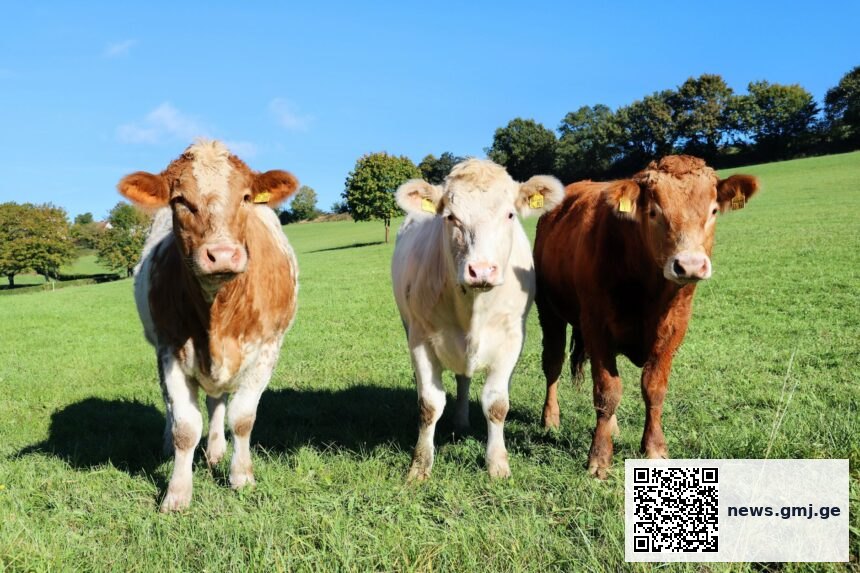
The World Organisation for Animal Health (WOAH) has concluded a technical evaluation of bovine tuberculin candidates, marking a significant step toward standardising diagnostic protocols for bovine tuberculosis (bTB) surveillance across member nations. This evaluation addresses a critical gap in global animal health diagnostics and zoonotic disease control.
Key takeaways
- WOAH has completed formal evaluation of bovine tuberculin diagnostic candidates, establishing standardised benchmarks for global use
- Standardised tuberculin reagents are essential for accurate detection of bovine TB, which remains a significant zoonotic threat and trade barrier
- Harmonised diagnostic protocols across countries will improve surveillance, disease control, and international animal health cooperation
Bovine Tuberculosis as a Global Zoonotic and Trade Concern
Bovine TB impacts food security, livestock production, and public health across developed and developing economies
Source: WOAH Standards Framework | Georgian Medical Journal News
Why Bovine Tuberculin Standardisation Matters
Bovine tuberculosis remains endemic across much of the developing world and continues to circulate in wildlife populations and cattle herds in several developed nations. According to the World Organisation for Animal Health, accurate diagnosis using standardised tuberculin reagents is foundational to disease surveillance and control programmes. The intradermal tuberculin test (IDTT), which uses purified protein derivative (PPD) from Mycobacterium bovis, remains the gold-standard diagnostic tool globally, but reagent quality and potency have varied across manufacturers and geographic regions.

WOAH’s evaluation of bovine tuberculin candidates establishes internationally recognised specifications for diagnostic accuracy, sensitivity, and specificity. This standardisation ensures that a positive test result in Georgia carries the same diagnostic meaning as one in Brazil or Australia, strengthening disease surveillance networks and facilitating safe international trade in cattle and dairy products.
Trade, Food Security, and Zoonotic Risk
Bovine TB is listed as a notifiable disease under WOAH’s Terrestrial Animal Health Code, which guides international veterinary standards and trade protocols. Countries with uncontrolled bTB face import restrictions that damage livestock export economies—a particular concern for developing nations where cattle represent critical livelihood assets. The disease also poses a documented zoonotic risk, particularly through consumption of unpasteurised dairy and close occupational contact with infected animals, as documented in epidemiological literature on M. bovis transmission to humans.
Harmonised tuberculin standards reduce false negatives (missed infections) and false positives (unnecessary culling), protecting both animal populations and human health. For nations like Georgia, where livestock exports and rural dairy production are economically important, diagnostic precision directly affects market access and food supply chain stability.
Global Coordination and Implementation
WOAH member countries now have evidence-based specifications for procuring and validating bovine tuberculin reagents. This evaluation supports countries in strengthening their national veterinary diagnostic laboratories and surveillance systems. Implementation of standardised protocols is particularly urgent in regions with high bTB prevalence and limited diagnostic infrastructure, where informal cattle trade and wildlife-livestock interfaces amplify transmission risk.
The completion of this evaluation reflects WOAH’s commitment to standards-setting as a core function in animal health governance. Member nations can now reference WOAH-endorsed tuberculin specifications in their national procurement policies, laboratory accreditation frameworks, and bilateral trade agreements, creating a shared foundation for disease control across borders.
Standardised bovine tuberculin reagents are essential for accurate diagnosis across diverse geographic and epidemiological contexts, enabling coordinated surveillance and safe international trade in livestock and animal products.
— World Organisation for Animal Health (WOAH) Technical Evaluation Framework
What this means
Frequently asked questions
What is bovine tuberculin and why does it need standardisation?
Bovine tuberculin is a purified protein derivative (PPD) from Mycobacterium bovis used in the intradermal tuberculin test, the globally accepted diagnostic for bovine TB. Standardisation ensures consistent potency, purity, and diagnostic accuracy across all laboratories and countries, preventing false results that could miss infections or trigger unnecessary culling.
How does bovine TB affect trade and food security?
According to WOAH trade protocols, countries with endemic bovine TB face livestock import restrictions from trading partners. For developing nations, this disrupts export revenue; for consumers, inconsistent disease control increases food chain risk. Standardised diagnostics reduce these barriers by enabling reliable cross-border disease verification.
Is bovine TB a risk to human health?
Mycobacterium bovis can infect humans through unpasteurised dairy consumption and occupational exposure to infected animals. While modern milk pasteurisation in developed nations minimises this risk, the pathogen remains a documented occupational hazard for farmers, veterinarians, and dairy workers, particularly in regions with high bTB prevalence.
Going forward, WOAH member countries should integrate these tuberculin standards into national veterinary diagnostic accreditation programmes and procurement guidelines. For regions with limited laboratory capacity, this evaluation provides a clear technical benchmark for international partnerships and external quality assurance. Sustained investment in diagnostic infrastructure, coupled with coordinated surveillance across borders, remains essential to reducing bovine TB’s burden on global livestock health and food security.
Source: WOAH Concludes Evaluation of Bovine Tuberculin Candidates
Was this article helpful?
Disclaimer. This article is health journalism intended for general information and education. It is not medical advice and is not a substitute for professional diagnosis or treatment. Always consult a qualified healthcare provider about your individual circumstances. Full disclaimer →
Related Coverage
Editorial standards. This article was produced under the GMJ News editorial process, with oversight by the GMJ Editorial Board. Our editorial process. Spotted an error? Contact the editorial team.