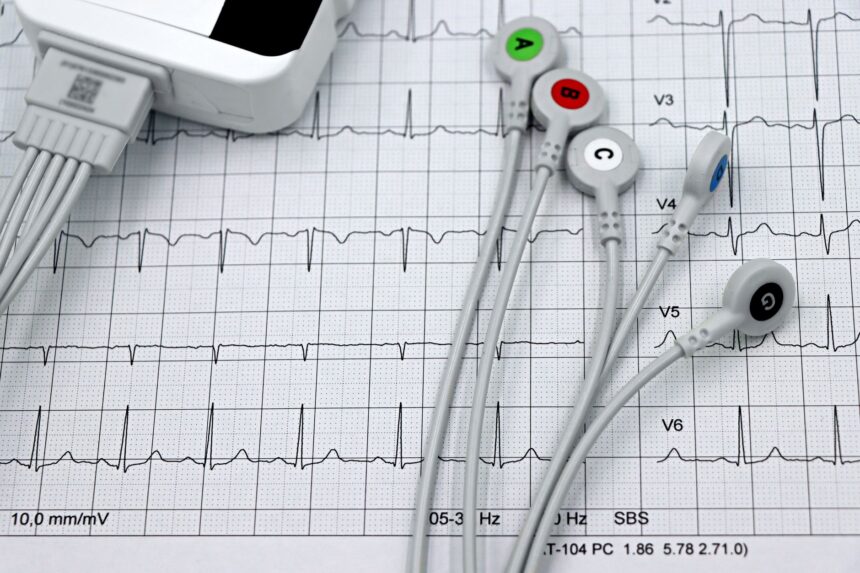
Healthcare professionals should understand three essential points about emerging ECG privacy vulnerabilities. First, electrocardiogram recordings contain extractable demographic and identity markers that most patients remain unaware pose privacy risks during routine cardiac evaluation. Second, newly developed privacy-preserving models can effectively strip this sensitive data while maintaining the clinical heart risk signals essential for accurate diagnosis and patient care. Third, healthcare systems urgently need updated data governance standards and protective protocols to safeguard diagnostic information in an increasingly AI-integrated clinical environment. These developments underscore the importance of balancing technological innovation with robust patient privacy protections, ensuring that advances in artificial intelligence serve patient interests rather than creating unforeseen data security liabilities. Healthcare leaders should evaluate implementation of privacy-preserving technologies alongside updated institutional policies.
Was this article helpful?