🟡 Preliminary Evidence
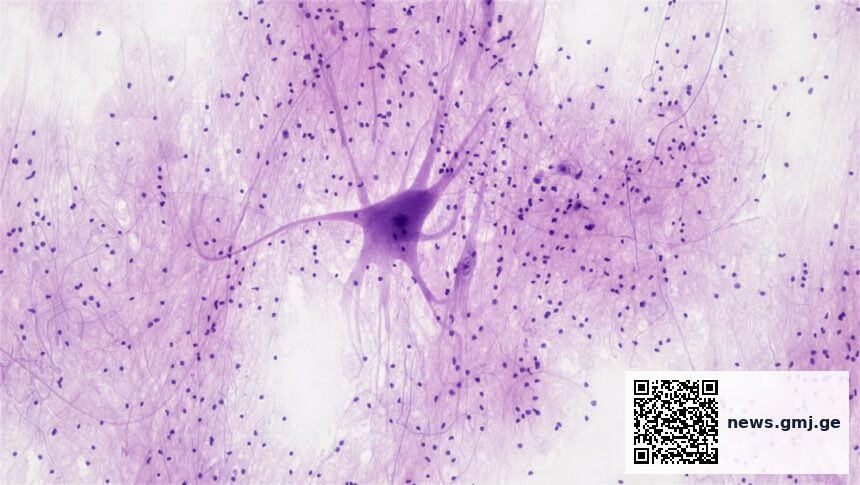
Researchers at Baylor College of Medicine have identified a biological mechanism that could redirect harmful protein aggregation in neurodegenerative diseases. Rather than preventing tau and alpha-synuclein proteins from clustering into toxic droplets—a long-standing research strategy—the team discovered that tubulin, the structural protein responsible for building the cell’s internal transport network, can steer these proteins toward functional activities instead. This shift in approach may open new therapeutic avenues for Alzheimer’s disease and Parkinson’s disease, two conditions marked by progressive neuronal damage driven by pathological protein accumulation.
Key takeaways
- Tubulin redirects tau and alpha-synuclein proteins away from forming toxic clumps rather than simply preventing aggregation
- The mechanism could represent a paradigm shift from traditional anti-aggregation therapies to functional protein redirection strategies
- This finding was developed at Baylor College of Medicine and may inform future drug development for neurodegenerative diseases
- The approach targets the productive redeployment of proteins rather than their elimination or sequestration
Protein aggregation mechanisms in neurodegenerative disease
Traditional vs. emerging strategies for managing toxic protein accumulation
Source: Baylor College of Medicine neurobiology research | Georgian Medical Journal News

A new conceptual framework for protein management
For decades, neuroscience research has focused on preventing or eliminating protein aggregates that accumulate in Alzheimer’s and Parkinson’s disease. However, this approach has yielded limited clinical success, with many anti-aggregation therapies showing modest efficacy at best. The Baylor team’s discovery reframes the problem: instead of viewing these proteins as inherently toxic waste to be removed, they identified tubulin as a cellular regulator that can redirect tau and alpha-synuclein toward functional roles within the neuron’s microtubule system—the cell’s internal transport infrastructure.
This mechanism suggests that toxic protein droplets may represent a failure of normal cellular compartmentalization and protein trafficking rather than an inevitable consequence of protein misfolding. By restoring tubulin’s ability to engage these proteins in productive work, cells may be able to prevent the pathological accumulation that characterizes neurodegeneration.
Tubulin as a master regulator of protein trafficking
Tubulin proteins form the structural backbone of microtubules, the cell’s railway system for transporting cargo—nutrients, organelles, and signaling molecules—to where they are needed. The Baylor research team found that tubulin can also act as a traffic controller for tau and alpha-synuclein, channeling them into legitimate cellular functions rather than allowing them to coalesce into neurotoxic droplets. This dual role suggests that tubulin represents an underexploited therapeutic target in neurodegenerative disease.
The implications are significant: if pharmaceutical interventions could enhance tubulin’s ability to engage these proteins, they might circumvent the need for direct anti-aggregation strategies. This could potentially lead to drugs that work with the cell’s natural machinery rather than against it. For patients with neurodegenerative conditions, such approaches might preserve neuronal function more effectively than current treatments, which often target protein removal alone.
From basic science to clinical translation
While this discovery emerges from fundamental cell biology research, its path to clinical application faces several milestones. The Baylor team must first validate the tubulin-mediated redirection mechanism in disease models that faithfully recapitulate the pathology of Alzheimer’s and Parkinson’s disease. Subsequent work will likely involve identifying which specific tubulin isoforms or post-translational modifications enhance protein redirection, and whether small-molecule drugs can safely enhance these interactions in living animals.
Current Alzheimer’s disease treatments approved by regulatory agencies address only symptom management or slow cognitive decline modestly. A mechanism-based approach targeting protein trafficking could represent a conceptual advance. However, the timeline from bench discovery to patient benefit typically spans 10–15 years, making realistic assessment of progress essential.
Tubulin can redirect tau and alpha-synuclein proteins away from forming toxic clumps and toward healthy, productive cellular functions within the microtubule network.
— Researchers at Baylor College of Medicine
Broader implications for neurodegenerative disease research
This finding challenges the field’s long-standing assumption that protein aggregation is an endpoint to be prevented at all costs. Instead, it suggests that aggregation itself may be a symptom of dysfunctional protein trafficking—a problem that can be solved by restoring normal cellular processes rather than imposing external chemical barriers. This perspective aligns with emerging work on liquid-liquid phase separation and membraneless organelles, which has shown that some cellular condensates serve legitimate biological functions when properly regulated.
The discovery at Baylor College of Medicine may also inform research into other neurodegenerative conditions involving protein misfolding, including frontotemporal dementia, amyotrophic lateral sclerosis (ALS), and ataxias. If tubulin-mediated redirection proves effective across multiple disease contexts, the field may witness a convergence of therapies targeting a common cellular mechanism rather than disease-specific pathologies. For those living with neurodegenerative disease today, these insights offer a window into the next generation of treatment logic—one centered on restoring normal cellular function rather than eliminating disease-associated proteins.
The research represents a meaningful conceptual shift in how scientists and clinicians think about protein aggregation. Rather than viewing these accumulations as irredeemable waste, the Baylor work suggests they reflect a failure of the cell’s own management systems. By identifying tubulin’s role in protein redirection, researchers may have opened a pathway to interventions that work with—rather than against—the cell’s natural machinery, potentially offering more durable benefit than current approaches.
What this means
Frequently asked questions
How does tubulin-mediated protein redirection differ from existing anti-aggregation therapies?
Existing treatments attempt to prevent tau and alpha-synuclein from clumping or to break apart existing aggregates. The tubulin mechanism instead channels these proteins into functional roles within the cell’s transport system, addressing the root cause—dysfunctional protein trafficking—rather than treating aggregation as an end-stage problem. This represents a fundamentally different therapeutic logic that may prove more sustainable long-term.
When might tubulin-based therapies become available to patients?
While the Baylor discovery is scientifically significant, it remains early-stage research. Typical timelines for translating basic discoveries into FDA-approved medications span 10–15 years and require extensive preclinical validation, clinical trials, and regulatory review. Patients with Alzheimer’s and Parkinson’s disease should continue working with their care teams using currently available treatments while remaining aware of emerging research.
Could this approach work for other neurodegenerative diseases?
Yes. Many neurodegenerative conditions—including frontotemporal dementia, ALS, and various ataxias—involve pathological protein accumulation. If tubulin-mediated redirection proves effective across these disease contexts, it could become a broadly applicable therapeutic principle, potentially transforming how an entire class of diseases is treated.
The Baylor College of Medicine discovery opens a new chapter in neurodegenerative disease research. By identifying tubulin as a master regulator of toxic protein trafficking, the team has revealed a previously underappreciated cellular mechanism that could reshape therapeutic strategy. Over the coming years, researchers and industry partners will likely focus on translating this finding into drug candidates that enhance tubulin’s protein-redirecting capacity. If successful, such approaches could offer patients with Alzheimer’s and Parkinson’s disease a fundamentally new mechanism of benefit—one centered on restoring the cell’s own capacity to manage proteins productively. This research exemplifies how insights from basic cell biology can fundamentally reframe our understanding of disease and open unexpected pathways to treatment.
Source: Tubulin prevents toxic brain protein clumps linked to Alzheimer’s and Parkinson’s
Was this article helpful?
Disclaimer. This article is health journalism intended for general information and education. It is not medical advice and is not a substitute for professional diagnosis or treatment. Always consult a qualified healthcare provider about your individual circumstances. Full disclaimer →
Related Coverage




Editorial standards. This article was produced under the GMJ News editorial process, with oversight by the GMJ Editorial Board. Our editorial process. Spotted an error? Contact the editorial team.