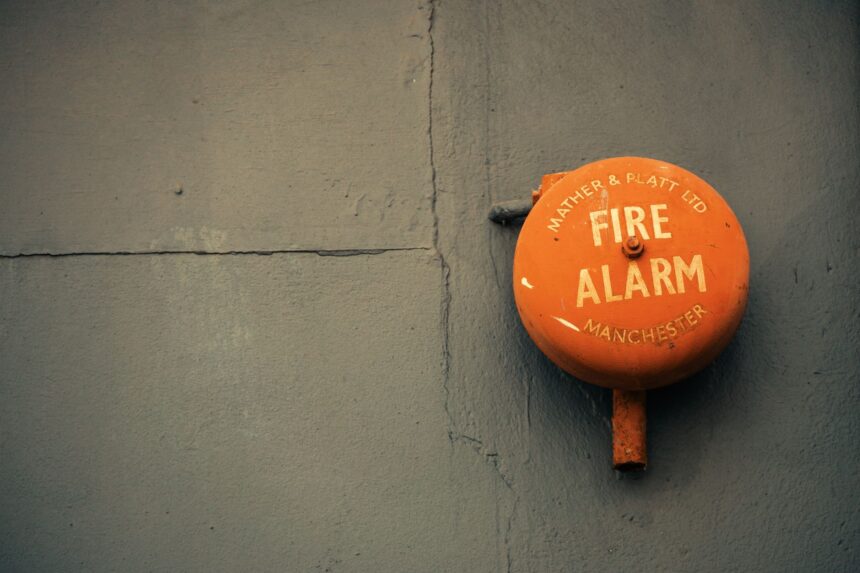
The UK Health Security Agency (UKHSA) has issued red-level heat-health alerts across multiple regions of England, signalling the highest warning tier for extreme heat risk. The escalation affects the West Midlands, East Midlands, South East, South West, London, and East of England, indicating conditions that pose significant risk to public health, particularly among vulnerable populations.
Key takeaways
- UKHSA has escalated heat-health alerts to red level—the highest warning tier—across six English regions
- Red alerts indicate extreme heat that poses serious risk to health, especially for older adults, children, and those with chronic conditions
- The alert system triggers coordinated response protocols across the National Health Service (NHS) and local authorities
UKHSA Heat-Health Alert Levels and Threshold Temperatures
Alert escalation reflects risk to vulnerable populations and healthcare system capacity
Source: UK Health Security Agency | Georgian Medical Journal News
When extreme heat becomes a public health emergency
Heat-related illness and mortality increase significantly when ambient temperatures exceed physiological tolerance thresholds. According to UKHSA guidance, red-level alerts are triggered when heat poses a serious threat to health and life, including potential for healthcare system strain and significant excess mortality among vulnerable groups. This alert level requires immediate activation of response protocols by the NHS, social care providers, and local resilience forums.

The populations at highest risk during extreme heat events include adults aged 65 and over, young children under 5 years, and individuals with pre-existing cardiovascular, respiratory, or metabolic conditions. Those taking certain medications—including diuretics, anticholinergics, and some antipsychotics—face elevated risk due to impaired thermoregulation. Additionally, people experiencing homelessness, social isolation, or living in inadequate housing are disproportionately vulnerable.
Coordinated health system response to red alerts
Red heat-health alerts trigger mandatory escalation across England’s health and social care system. NHS trusts activate their major incident protocols, increase staffing in emergency departments, and enhance monitoring of heat-related presentations. The National Health Service (NHS) also coordinates with adult social care services to conduct welfare checks on isolated elderly patients and those receiving community care.
Local authorities implement heat response strategies including opening community cool spaces, enhancing surveillance of care home residents, and distributing heat safety information through public health channels. The Department of Health and Social Care coordinates cross-sector communication to ensure consistent messaging about heat risks and protective behaviours across all devolved health systems.
Clinical recognition and management of heat-related illness
Clinicians should maintain high suspicion for heat-related morbidity during red alert periods. Heat exhaustion presents with dizziness, nausea, headache, and core temperature elevation to 37–40°C; treatment consists of rapid cooling, fluid replacement, and monitoring. Heat stroke—a medical emergency with core temperature exceeding 40°C and altered mental status—requires immediate aggressive cooling, intravenous fluid resuscitation, and transfer to intensive care if available. National Institute for Health and Care Excellence (NICE) guidance emphasizes early recognition and rapid transfer of severe cases to hospital.
Red-level heat-health alerts indicate conditions that pose serious threat to health and may result in significant excess mortality, particularly among older adults, young children, and individuals with chronic diseases or social vulnerability.
— UK Health Security Agency, Heat-Health Alert System Guidance
What this means
Frequently asked questions
What is the difference between red, amber, and yellow heat-health alerts?
According to UKHSA, red alerts (Level 4) indicate extreme heat posing serious health risk and potential excess mortality; amber alerts (Level 3) signal increased risk requiring preventive action; yellow alerts (Level 2) indicate potential health risk requiring awareness. Red is the highest tier and triggers mandatory health system escalation.
Who is most vulnerable during red heat-health alerts?
Individuals aged 65 and over, children under 5, and people with chronic cardiovascular, respiratory, mental health, or metabolic conditions face highest risk. Those taking medications affecting thermoregulation, experiencing social isolation, or living in poor housing are also disproportionately vulnerable during extreme heat events.
What immediate actions should people take during a red alert?
UKHSA recommends staying indoors in cool environments, drinking sufficient water, avoiding strenuous activity, checking on vulnerable friends and relatives, closing curtains during the day, and seeking medical attention immediately if experiencing symptoms of heat exhaustion or heat stroke such as dizziness, confusion, or loss of consciousness.
The expansion of red-level heat-health alerts across England reflects the increasing frequency and intensity of extreme heat events in response to climate change. Sustained investment in population-level cooling infrastructure, targeted support for vulnerable groups, and healthcare workforce planning will be essential to mitigate health impacts as heat waves become more common. Coordination between health policy frameworks and clinical safety protocols will determine the effectiveness of public health response to future extreme heat events.
Source: UKHSA issues red heat-health alerts across England
Was this article helpful?
Disclaimer. This article is health journalism intended for general information and education. It is not medical advice and is not a substitute for professional diagnosis or treatment. Always consult a qualified healthcare provider about your individual circumstances. Full disclaimer →
Related Coverage



Editorial standards. This article was produced under the GMJ News editorial process, with oversight by the GMJ Editorial Board. Our editorial process. Spotted an error? Contact the editorial team.