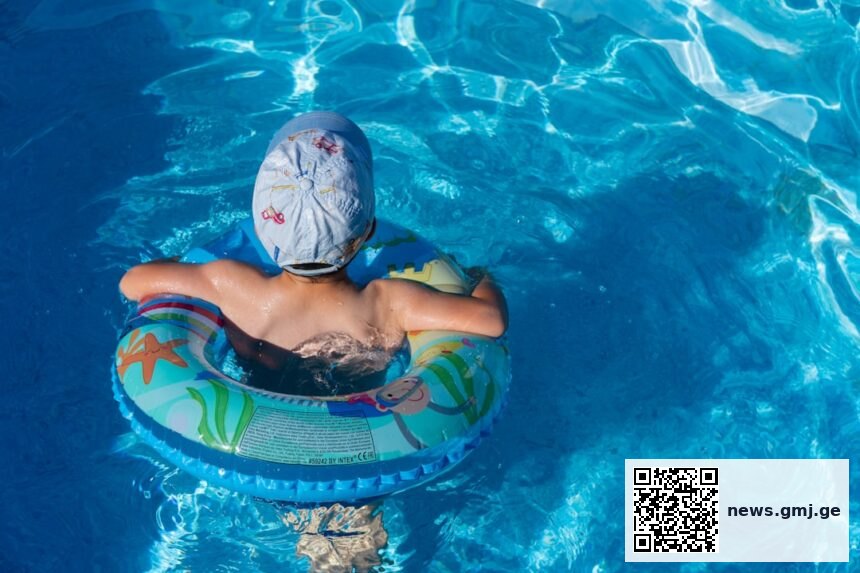
Drowning remains a leading cause of unintentional injury death among children in the United States, with paediatricians and public health officials warning that recent trends show increases in preventable drowning incidents. The alarm is being sounded not only in clinical practice but also through public health advocacy, with doctors emphasizing that preparation and water safety education can dramatically reduce mortality risk.
Key takeaways
- Drowning can occur in seconds with minimal visible signs, making rapid recognition and intervention critical
- Medical professionals and public health authorities stress that structured water safety training reduces drowning risk across all age groups
- Family preparedness, including CPR training and supervision protocols, is essential to improve survival outcomes
The clinical challenge: silent and rapid
Drowning differs markedly from popular perception, according to medical professionals addressing this public health concern. Contrary to depictions in film and television, a drowning child may not call out, splash visibly, or show obvious distress—a phenomenon sometimes termed ‘silent drowning.’ The process can unfold in seconds, leaving minimal window for intervention. This clinical reality underscores why clinical training and family education have become focal points for paediatricians working to prevent these deaths.
Why drowning remains a leading cause of childhood injury death
Risk factors and intervention points that paediatricians emphasise
Source: Medical Professional Consensus, 2026 | Georgian Medical Journal News

Recent upward trend prompts urgent action
Doctors and public health advocates across the United States are reporting that drowning rates among children have risen in recent years, a trend that has galvanized clinical and community responses. Medical organisations are responding by intensifying their calls for universal water safety training, structured supervision protocols, and CPR certification for caregivers. Health policy initiatives are being considered to embed water safety education in school curricula and community health programmes.
A child can drown in seconds with minimal visible signs, making rapid recognition and cardiopulmonary resuscitation (CPR) training essential components of family preparedness.
🎙️ Related Podcast Episodes— Medical professionals cited in drowning prevention advocacy, 2026
Multi-layered prevention: supervision, training, and access
Effective drowning prevention requires integration of three evidence-informed strategies, according to paediatricians and injury prevention specialists. First, constant, attentive supervision of children near water—whether in pools, beaches, or bathtubs—remains the single most effective intervention. Second, CPR and rescue training for parents, guardians, and caregivers ensures that immediate intervention can begin if an emergency occurs. Third, swimming and water safety classes, introduced early in childhood, build skills and water literacy. Medical professionals emphasise that these interventions work synergistically and must be accessible across all socioeconomic groups to reduce health disparities in drowning mortality.
Clinical implications and family readiness
Paediatricians are increasingly incorporating water safety counselling into routine well-child visits, recognizing drowning prevention as a core component of injury prevention medicine. Doctors advise that families should understand the signs of water distress, maintain clear communication about water rules, install appropriate barriers around pools, and ensure that rescue equipment is accessible. The medical consensus emphasises that preparation and education are life-saving interventions that shift drowning from an inevitable accident to a largely preventable injury.
What this means
Frequently asked questions
At what age should children receive swimming and water safety instruction?
Paediatricians recommend that water safety education begin in infancy with parental water familiarisation, with formal swim instruction increasingly recommended from age 1 year onwards. Structured swimming lessons from qualified instructors improve water competency and reduce risk. However, instruction is never a substitute for supervision—constant vigilance by a trained adult remains the primary protective strategy at all ages.
How does CPR training reduce drowning mortality?
Immediate CPR can maintain oxygenation and circulation during the critical minutes before emergency responders arrive. Medical data show that bystander CPR significantly improves neurological outcomes in drowning survivors. Paediatricians recommend that all parents, caregivers, and household members obtain CPR certification specific to infants and children, as techniques differ from adult CPR.
Why is ‘silent drowning’ dangerous if there are no obvious warning signs?
Silent drowning occurs because the child’s airway is submerged and the respiratory muscles are engaged in the drowning response, preventing vocalization or splashing. Bystanders may not recognise the emergency until the child has lost consciousness. This underscores the critical importance of continuous direct supervision and the inability to delegate water safety to passive observation or lifeguard reliance alone.
As drowning prevention becomes a clinical and public health priority, the convergence of medical guidance, family education, and community policy offers a pathway to reduce preventable childhood deaths. The medical consensus is clear: preparation, training, and supervision are not optional but essential components of protecting children in water environments. Health systems, schools, and community organisations that integrate these evidence-informed strategies stand to make meaningful progress in reversing rising drowning trends and saving lives.
Source: A child can drown in seconds. Doctors want more families to be prepared
Was this article helpful?
Disclaimer. This article is health journalism intended for general information and education. It is not medical advice and is not a substitute for professional diagnosis or treatment. Always consult a qualified healthcare provider about your individual circumstances. Full disclaimer →
Related Coverage




Editorial standards. This article was produced under the GMJ News editorial process, with oversight by the GMJ Editorial Board. Our editorial process. Spotted an error? Contact the editorial team.