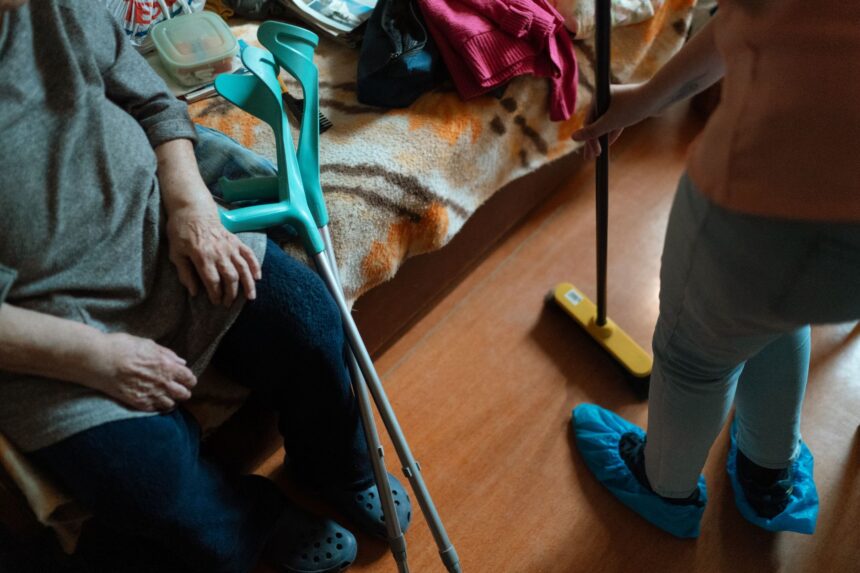
A striking disparity has emerged in caregiver support accessibility: while 78% of sandwich generation adults report significant financial strain from simultaneous childcare and elder care responsibilities, only 31% have access to formal support services. This gap underscores a critical failure in healthcare system design and resource distribution.
The data illuminates how geographic location and insurance coverage determine whether caregivers receive counseling, financial planning assistance, or workplace flexibility programs. Financial burden directly correlates with increased mental health complications including anxiety, depression, and burnout. Integrated clinical screening—embedding caregiver assessment into routine healthcare encounters—represents a practical first step toward identifying at-risk individuals before crisis intervention becomes necessary.
Experts advocate for expanded insurance coverage of caregiver support services and employer-sponsored programs that acknowledge dual caregiving as a legitimate health and workforce issue requiring systematic intervention.
Read the full article on GMJ Newsroom.

Was this article helpful?