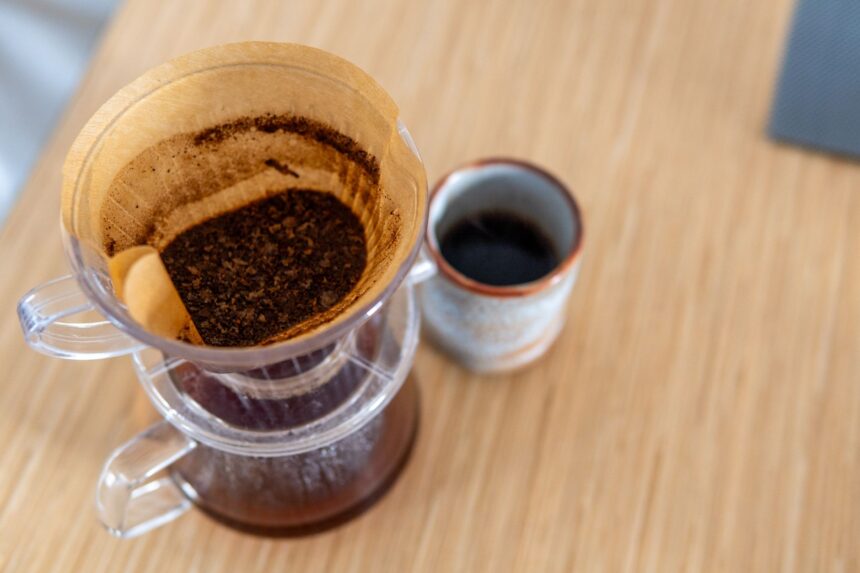
Coffee lovers concerned about cardiovascular health can breathe easy—if they choose the right brewing method. According to a comprehensive meta-analysis of over 26 randomized controlled trials, the cholesterol impact of coffee depends almost entirely on how it is prepared, not the coffee itself.
The culprits are cafestol and kahweol, naturally occurring compounds called diterpenes that are carried into brewed coffee via coffee oils. When consumed, these compounds activate liver receptors that suppress cholesterol clearance, raising LDL levels by approximately 5.4 mg/dL on average. However, this effect is entirely preventable. Paper filters used in drip and pour-over brewing methods trap diterpenes completely, eliminating the cholesterol effect. In contrast, metal mesh filters in French presses and espresso machines allow diterpenes to pass through into your cup.
The evidence is clear: switching from unfiltered to filtered brewing eliminates the cholesterol concern while preserving your daily coffee ritual.
Read the full article on GMJ Newsroom.

Was this article helpful?