By using this site, you agree to the Privacy Policy and Terms of Use.
Accept
GMJ NewsGMJ NewsGMJ News
  • Latest News
    • GMJ Briefs
  • Podcast & Media
    • Podcast Episodes
    • GMJ Audio
    • GMJ Videos
  • Research Digest
    • New Studies
    • Georgian Research
    • Data & Numbers
  • Policy & Systems
    • Health Policy
    • Quality & Safety
    • Migration & Health
    • Global Health
  • Practice
    • Clinical Updates
    • Case Discussions
    • Pharmacy & Prescribing
    • Ingredients A-Z
  • Perspectives
    • Editorial
    • Explainers
    • Voices
    • Letters
  • Health Topics
  • GMJ Articles
    • Vol. 1 Issue 2 (2026)
    • Vol. 1 Issue 1 (2026)
    • Pre-Launch Articles (2025)
  • Read the Journal →
  • About GMJ News
Notification Show More
Font ResizerAa
GMJ NewsGMJ News
Font ResizerAa
  • Latest News
    • GMJ Briefs
  • Podcast & Media
    • Podcast Episodes
    • GMJ Audio
    • GMJ Videos
  • Research Digest
    • New Studies
    • Georgian Research
    • Data & Numbers
  • Policy & Systems
    • Health Policy
    • Quality & Safety
    • Migration & Health
    • Global Health
  • Practice
    • Clinical Updates
    • Case Discussions
    • Pharmacy & Prescribing
    • Ingredients A-Z
  • Perspectives
    • Editorial
    • Explainers
    • Voices
    • Letters
  • Health Topics
  • GMJ Articles
    • Vol. 1 Issue 2 (2026)
    • Vol. 1 Issue 1 (2026)
    • Pre-Launch Articles (2025)
  • Read the Journal →
  • About GMJ News
Follow US
GMJ News > GMJ Briefs > The Optimal Caffeine Dose for Strength Athletes: What the Data Shows

The Optimal Caffeine Dose for Strength Athletes: What the Data Shows

GMJ
Last updated: 10/08/2026 17:29
By
Prof. Giorgi Pkhakadze
Share
1 Min Read
Bar chart showing caffeine effects on back squat and bench press strength across different intensity levels
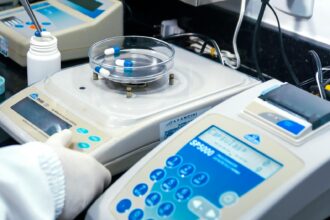
A randomized controlled trial shows caffeine enhances strength and power in resistance-trained lifters by increasing neural drive, not muscle growth. The mechanism: caffeine blocks adenosine receptors, boosting central nervous system excitability and motor unit recruitment. — Photo by Homegrounds.co on Pexels (Pexels License)
SHARE
1 min read|124 words

A rigorous randomized controlled trial has identified the evidence-based caffeine dosage for enhancing strength performance in resistance training: 4 mg per kilogram of body weight, administered approximately 60 minutes before lifting. For a typical 165-pound lifter, this translates to roughly 300 mg of caffeine. The study, published in the International Journal of Sport Nutrition and Exercise Metabolism, tracked changes in bar velocity and power output across multiple exercise intensities.

The data demonstrated striking results, particularly for lower-body movements. Back squat performance improved by 8.5% at 25% of maximum effort, 7.8% at 50%, and 9.2% at 90% of 1-rep maximum. Bench press showed more modest gains of 5.4% at 90% intensity. These findings establish a quantifiable, evidence-based recommendation for athletes seeking to optimize acute strength performance through caffeine supplementation.

Read the full article on GMJ Newsroom.

Was this article helpful?

GMJ Brief · Key Finding

📰 Read the full article: Caffeine Boosts Strength Through Neural Drive, Not Muscle Growth—New Evidence →

Share This Article
Facebook LinkedIn Bluesky Copy Link Print
GMJ
ByProf. Giorgi Pkhakadze
Follow:
Prof. Giorgi Pkhakadze, MD, MPH, PhD, is Editor-in-Chief of the Georgian Medical Journal and Chair of the Public Health Institute of Georgia (PHIG). He is Professor and Head of the Department of Social and Behavioural Sciences at David Tvildiani Medical University, and Secretary/Treasurer of the UEMS Section of Public Health. ORCID: 0000-0001-7609-4515.

Submit Your Paper →

Georgia's peer-reviewed open-access medical journal. No APC until January 2027.
Submit Manuscript →
How neurotransmitters orchestrate mood, sleep, and cognition: a biochemical primer

Brain function depends on chemical communication between neurons through neurotransmitters. Twelve major…

Vitamin D’s Role in Alzheimer’s Tau Accumulation: New Evidence from Framingham Heart Study

A 16-year analysis from the Framingham Heart Study finds that higher vitamin…

Whey protein triggers substantial insulin response despite low carbohydrate content, research shows

Whey protein consumed on an empty stomach triggers insulin secretion 90% higher…

Submit Your Paper to GMJ

No APC until January 2027.
Submit Manuscript →

You Might Also Like

Chart showing distribution of nicotine cognitive research by population type

100 Studies, Zero Data: The Missing Evidence on Nicotine and Daily Cognitive Enhancement

By
Prof. Giorgi Pkhakadze
09/06/2026
NHS Online hospital trust digital healthcare platform interface showing virtual consultation capabilities

NHS Launches Digital-First Care Model With Appointment of Online Trust Chair

By
Prof. Giorgi Pkhakadze
24/06/2026
NHS England building exterior representing medical workforce policy

Announcement: NHS Medical Training Act boosts UK doctor recruitment, data shows

By
Prof. Giorgi Pkhakadze
11/08/2026
Variety of legumes including beans, lentils, and soy products representing cardiovascular health benefits

Practical Cardiovascular Benefits: What You Need to Know About Legume Consumption

By
Prof. Giorgi Pkhakadze
07/08/2026
Facebook Twitter Youtube Instagram
Company
  • Privacy Policy
  • Contact US
  • GMJ Journal
  • Submit Manuscript
  • Editorial Team
  • Register at GMJ
  • Terms of Use

Subscribe to GMJ News — Click here

Join Community
© 2026 Georgian Medical Journal (GMJ). Published by the Public Health Institute of Georgia (PHIG). All rights reserved.
Welcome Back!

Sign in to your account

Username or Email Address
Password

Lost your password?

Not a member? Sign Up