🟡 Preliminary Evidence
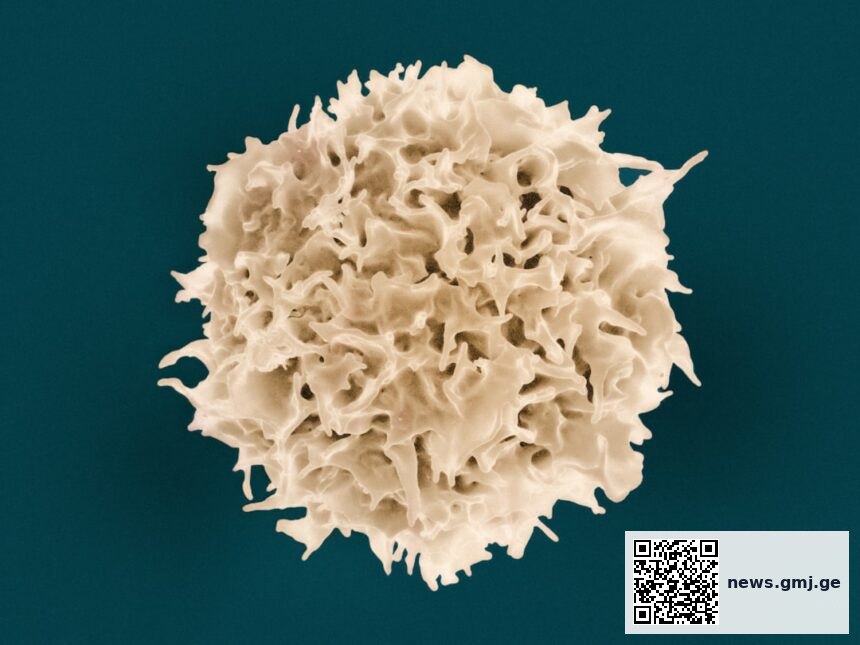
Engineered silica nanoparticles designed to target prostate cancer cells induced apoptosis and enhanced immune activation in preclinical mouse models, according to recent research presented at a leading oncology venue. When combined with immunotherapy agents, the treatment approach produced complete tumor remissions in multiple test animals, suggesting a potential new avenue for aggressive prostate cancer management.
Key takeaways
- Silica nanoparticles engineered to seek prostate cancer cells triggered tumor cell self-destruction in mouse models
- Combined therapy with immunotherapy produced complete remissions in multiple mice in preclinical testing
- The approach enhanced immune system activation against cancer cells, offering a dual mechanism of action
- Results remain at the preclinical stage; human clinical trials have not yet been conducted
Mechanism of silica nanoparticle action in prostate cancer
Two-pronged approach: direct tumor cell killing and immune system activation
Source: Preclinical mouse model studies | Georgian Medical Journal News

Nanoparticles engineered for precision targeting
The silica nanoparticles were specifically engineered to recognize and accumulate within prostate cancer cells while minimizing exposure to healthy tissue. This targeting mechanism represents a critical distinction from conventional chemotherapy approaches, which typically affect both malignant and normal cells indiscriminately. The nanoparticle design enabled concentrated drug delivery or direct cytotoxic activity at the tumor site.
Once inside cancer cells, the nanoparticles triggered apoptosis—a form of programmed cell death—through multiple pathways. This dual action of physical nanoparticle presence combined with cellular self-destruction mechanisms produced observable tumor reduction in the mouse models studied.
Synergy with immunotherapy produces remission
The most promising results emerged when silica nanoparticles were combined with immunotherapy agents. Preclinical data showed that nanoparticle treatment not only killed cancer cells directly but also activated the host immune system to recognize and attack remaining malignant cells. This synergistic mechanism—where two therapeutic approaches amplify each other—produced complete tumor remissions in multiple mice, a substantially stronger outcome than either treatment alone would likely achieve.
The immune activation component suggests that surviving cancer cells were being targeted by the body’s own T-cell and B-cell responses, converting the nanoparticles into a platform that bridges direct cytotoxicity and adaptive immunity. This dual mechanism addresses a known limitation of single-modality cancer treatments: tumor cells’ ability to develop resistance through various escape pathways.
Preclinical findings and clinical translation pathway
These results remain at the preclinical stage, meaning they have been demonstrated only in laboratory and mouse model settings. No human clinical trials have been initiated, and the safety profile, optimal dosing, and efficacy in human patients remain entirely unknown. Preclinical success in oncology does not reliably predict clinical outcomes; historical data show that only a small percentage of promising mouse studies translate to effective human therapies.
Before any human testing can begin, regulatory agencies such as the FDA would require extensive additional preclinical work, including toxicology studies, manufacturing scale-up, and animal models addressing safety margins. If those requirements are satisfied, investigational new drug (IND) applications would be required before Phase 1 human trials could commence—a process typically requiring several years.
Implications for prostate cancer treatment landscape
Prostate cancer remains the second-most common cancer diagnosis in men globally, according to WHO cancer fact sheets. Aggressive variants—particularly those resistant to androgen-deprivation therapy—represent a significant clinical challenge with limited treatment options and poor long-term survival rates. Any novel mechanism showing activity against such cases warrants continued investigation, though realistic timelines for human application should be acknowledged.
The nanoparticle platform itself is not entirely novel; targeted nanoparticle delivery systems have been explored in cancer therapy for over two decades, with some platforms already in clinical use. What distinguishes this work is the specific combination of targeting moiety, apoptosis-inducing mechanism, and demonstrated synergy with immunotherapy in the prostate cancer model. This contribution extends the field’s understanding of how physical nanoparticle properties and immunological priming might be harnessed together.
Combined silica nanoparticle treatment with immunotherapy produced complete tumor remissions in multiple preclinical mouse models of prostate cancer, indicating potential for a novel dual-mechanism therapeutic approach.
— Preclinical oncology research findings (2026)
What this means
Frequently asked questions
When will this treatment be available to patients?
These results are from mouse studies only. If development continues, regulatory approval processes typically require 5-10 years of additional preclinical, Phase 1, Phase 2, and Phase 3 clinical trial work. No timeline for human availability can be estimated at this preclinical stage.
How do silica nanoparticles differ from current prostate cancer drugs?
Current prostate cancer drugs are typically small-molecule compounds or monoclonal antibodies that circulate systemically. Engineered nanoparticles offer the potential for preferential accumulation within cancer cells and co-delivery of multiple therapeutic mechanisms (direct cell killing plus immune activation). However, systemic toxicity and manufacturing scalability remain to be evaluated in humans.
Why combine nanoparticles with immunotherapy rather than use one or the other?
The preclinical data showed that nanoparticles alone induced cell death, but immunotherapy alone produced weaker responses. Combining them—so that nanoparticles kill tumor cells while simultaneously priming immune recognition of cancer-associated antigens—produced synergistic complete remissions. This dual mechanism is more likely to overcome cancer’s multiple escape pathways.
The next critical phase for this research is reproducibility and mechanistic validation in independent laboratories, followed by toxicology studies in larger animal models. Only if those gatekeeping steps are successful will human trials become feasible. The prostate cancer research community will be watching for peer-reviewed publication of these preclinical findings and confirmation of the reported immunological mechanisms, particularly the specific immune cell populations activated by nanoparticle treatment. Links to recent new studies in oncology and clinical updates on cancer therapies provide additional context on the pace of translational research in this field.
Source: Tiny silica particles wiped out aggressive prostate cancer in mice
Was this article helpful?
Disclaimer. This article is health journalism intended for general information and education. It is not medical advice and is not a substitute for professional diagnosis or treatment. Always consult a qualified healthcare provider about your individual circumstances. Full disclaimer →
Related Coverage



Editorial standards. This article was produced under the GMJ News editorial process, with oversight by the GMJ Editorial Board. Our editorial process. Spotted an error? Contact the editorial team.