Updated 13/09/2026
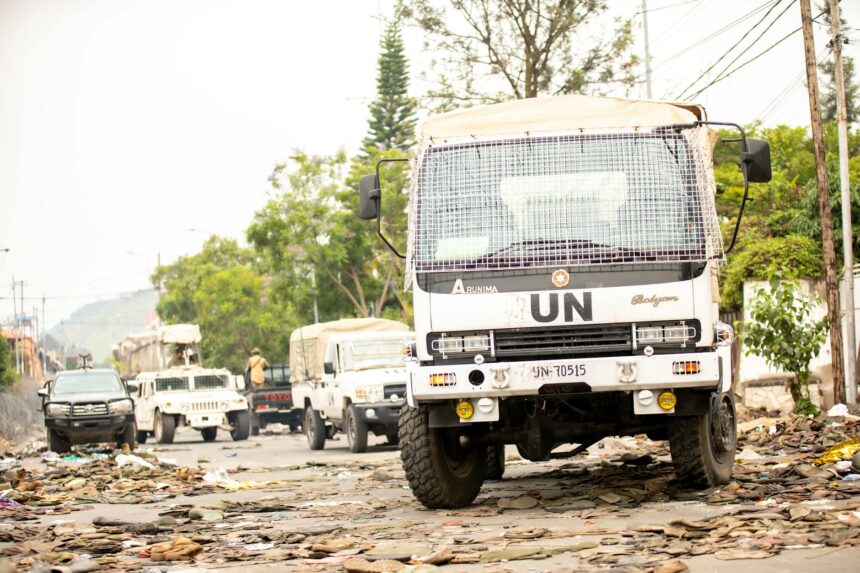
United Nations agencies have initiated an emergency response to contain a new Ebola outbreak in eastern Democratic Republic of the Congo, mobilizing medical supplies and protective equipment, according to UN News.
DRC Ebola Outbreaks: A Historical Context
Previous outbreaks in the region have presented ongoing challenges
Source: UN News | Georgian Medical Journal News

International Response
UN agencies have moved swiftly to support efforts to contain the latest Ebola outbreak in eastern Democratic Republic of the Congo, delivering emergency medical supplies, protective equipment and logistics support, according to UN News.
The response includes deployment of medical supplies and establishment of logistics support systems. The coordinated approach builds on experience from previous outbreaks in the region, as referenced in global health coordination protocols.
Emergency Medical Support
The UN agencies’ response focuses on delivering emergency medical supplies and protective equipment to support containment efforts. Mobile support systems are being positioned to assist with the outbreak response.
Local health facilities are receiving support as part of the emergency response effort. These measures aim to support containment of transmission in the affected areas, as documented in quality and safety assessments.
Regional Coordination
The emergency response involves coordination between multiple UN agencies working to support containment efforts in eastern DRC. The collaborative approach reflects strategies developed through public health partnerships in the region.
International agencies are working with national authorities to coordinate the response effort and provide necessary support for outbreak containment activities.
United Nations agencies have moved swiftly to support efforts to contain the latest Ebola outbreak in eastern Democratic Republic of the Congo
— UN News (May 2026)
Key takeaways
- UN agencies are delivering emergency medical supplies and protective equipment
- The response includes logistics support for outbreak containment
- Multiple UN agencies are coordinating efforts in eastern DRC
- Emergency support is being provided to local health facilities
Frequently asked questions
What type of support are UN agencies providing?
According to UN News, agencies are delivering emergency medical supplies, protective equipment and logistics support to assist with outbreak containment efforts.
Where is the outbreak occurring?
The outbreak is taking place in eastern Democratic Republic of the Congo, a region that has experienced multiple Ebola episodes in recent years.
How are agencies coordinating their response?
Multiple UN agencies are working together to provide swift support for containment efforts, building on experience from previous outbreak responses in the region.
The international response demonstrates coordination between UN agencies in supporting outbreak containment efforts. Continued coordination between international agencies, national authorities, and local communities will be important for the response in the affected areas.
Source: UN agencies step up Ebola response in eastern DR Congo
{“@context”:”https://schema.org”,”@type”:”FAQPage”,”mainEntity”:[{“@type”:”Question”,”name”:”What type of support are UN agencies providing?”,”acceptedAnswer”:{“@type”:”Answer”,”text”:”According to UN News, agencies are delivering emergency medical supplies, protective equipment and logistics support to assist with outbreak containment efforts.”}},{“@type”:”Question”,”name”:”Where is the outbreak occurring?”,”acceptedAnswer”:{“@type”:”Answer”,”text”:”The outbreak is taking place in eastern Democratic Republic of the Congo, a region that has experienced multiple Ebola episodes in recent years.”}},{“@type”:”Question”,”name”:”How are agencies coordinating their response?”,”acceptedAnswer”:{“@type”:”Answer”,”text”:”Multiple UN agencies are working together to provide swift support for containment efforts, building on experience from previous outbreak responses in the region.”}}]}
🗺️ Find certified Georgian healthcare providers: sheniekimi.ge — Georgia Health Map · 998 clinics · 6,600+ doctors · 2,296 pharmacies
Was this article helpful?
Disclaimer. This article is health journalism intended for general information and education. It is not medical advice and is not a substitute for professional diagnosis or treatment. Always consult a qualified healthcare provider about your individual circumstances. Full disclaimer →
Related Coverage


Editorial standards. This article was produced under the GMJ News editorial process, with oversight by the GMJ Editorial Board. Our editorial process. Spotted an error? Contact the editorial team.