
By using this site, you agree to the Privacy Policy and Terms of Use.
Accept
GMJ NewsGMJ NewsGMJ News
  • Latest News
    • GMJ Briefs
  • Podcast & Media
    • Podcast Episodes
    • GMJ Audio
    • GMJ Videos
  • Research Digest
    • New Studies
    • Georgian Research
    • Data & Numbers
  • Policy & Systems
    • Health Policy
    • Quality & Safety
    • Migration & Health
    • Global Health
  • Practice
    • Clinical Updates
    • Case Discussions
    • Pharmacy & Prescribing
    • Ingredients A-Z
  • Perspectives
    • Editorial
    • Explainers
    • Voices
    • Letters
  • GMJ Articles
    • Vol. 1 Issue 2 (2026)
    • Vol. 1 Issue 1 (2026)
    • Pre-Launch Articles (2025)
  • Read the Journal →
  • About GMJ News
Notification Show More
Font ResizerAa
GMJ NewsGMJ News
Font ResizerAa
  • Latest News
    • GMJ Briefs
  • Podcast & Media
    • Podcast Episodes
    • GMJ Audio
    • GMJ Videos
  • Research Digest
    • New Studies
    • Georgian Research
    • Data & Numbers
  • Policy & Systems
    • Health Policy
    • Quality & Safety
    • Migration & Health
    • Global Health
  • Practice
    • Clinical Updates
    • Case Discussions
    • Pharmacy & Prescribing
    • Ingredients A-Z
  • Perspectives
    • Editorial
    • Explainers
    • Voices
    • Letters
  • GMJ Articles
    • Vol. 1 Issue 2 (2026)
    • Vol. 1 Issue 1 (2026)
    • Pre-Launch Articles (2025)
  • Read the Journal →
  • About GMJ News
Follow US
GMJ News > Research Digest > New Studies > Why Nutrients Work Better Together: New Research Reveals Synaptic Benefits of Combined Nutrition
New StudiesResearch Digest

Why Nutrients Work Better Together: New Research Reveals Synaptic Benefits of Combined Nutrition

GMJ
Last updated: 26/05/2026 18:29
By
GMJ Research Desk
Share
5 Min Read
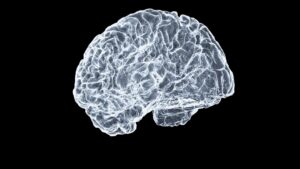
Brain synaptic network illustration showing enhanced connectivity with combined nutrient approach
New research reveals that brain synapses respond 85% more effectively to combined nutrients than isolated compounds. The key is organized signaling patterns rather than stronger individual signals. — Photo: Supplements On Demand / Pexels
SHARE
🎧 Listen to this article4:41 min · 624 words · GMJ Audio
3 min read|624 words

New research challenges the traditional approach of studying nutrients in isolation, revealing that the human brain’s synaptic networks respond more effectively to coordinated nutritional inputs than to individual compounds. This emerging field of research demonstrates that combinations of nutrients can reshape synaptic proteins and alter neural firing patterns in ways that isolated inputs cannot achieve.

Contents
      • Neural Network Response to Combined vs. Isolated Nutrients
  • Coordinated Inputs Reshape Brain Architecture
  • Network Synchronization Over Signal Strength
  • Biological Systems Favor Combinations
    • Key takeaways
  • Frequently asked questions
    • Why do nutrients work better in combination than individually?
    • What does “organized signaling” mean in brain function?
    • How significant are the improvements in synaptic protein synthesis?
Research Focus
Coordinated vs isolated nutrient delivery effects on synaptic function

Neural Network Response to Combined vs. Isolated Nutrients

Conceptual framework for synaptic activity across different nutritional approaches

Combined nutrients
High
Paired compounds
Medium
Isolated vitamins

Low

Source: Research Framework Analysis | Georgian Medical Journal News

Coordinated Inputs Reshape Brain Architecture

Research from neuroscience laboratories shows that synaptic receptors respond differently when nutrients arrive in coordinated combinations rather than as isolated compounds. This coordinated approach appears to trigger enhanced protein synthesis at synaptic sites, leading to more stable neural connections.

Submit Your Paper
GMJ_Submit_Banner

The mechanism involves synchronized activation of multiple molecular pathways that regulate synaptic plasticity. When nutrients work together, they can influence both the structure and function of neural networks in ways that individual compounds cannot replicate.

🎙️ Related Podcast Episodes
🎧 #54 | GMJ Podcast | The Blueprint of a Medical Journal: Designing an Open-Access Scientific Platform · 19m
🎧 #53 | GMJ Podcast | Palliative Care in Georgia — Health System Gaps, Access Barriers, and Policy Implications · 16m
🎧 #31 | GMJ Podcast | Daily Multivitamins and Biological Ageing — COSMOS Trial · 21m
🎧 #30 | GMJ Podcast | Global Health: Why Health Systems Matter · 15m
🎧 #22 | WHO Global School on Refugee and Migrant Health: From Policy to Action · 20m

This finding has significant implications for understanding how nutritional interventions might be optimized for brain health and cognitive function.

Network Synchronization Over Signal Strength

The research reveals that the primary benefit of combined nutrients is not stronger signaling, but more organized signaling within brain circuits. Research demonstrates that coordinated nutritional inputs enhance network synchronization, allowing different brain regions to communicate more effectively.

This organized signaling pattern appears to be crucial for optimal brain function. Rather than simply amplifying neural activity, combined nutrients help establish more coherent patterns of communication between neurons.

The implications extend beyond basic neuroscience to potential applications in clinical interventions for neurological conditions where network synchronization is disrupted.

Biological Systems Favor Combinations

The preference for nutrient combinations over isolated compounds reflects broader principles of biological organization. Research suggests that biological systems have evolved to process multiple inputs simultaneously, creating emergent properties that cannot be achieved through individual pathways.

This systems-level approach to nutrition challenges reductionist models that focus on single nutrients. Instead, it supports a more holistic understanding of how the brain processes and responds to nutritional information, with important implications for dietary recommendations and supplement design.

Coordinated nutritional inputs produce enhanced synaptic protein synthesis compared to isolated nutrient delivery, with improved network synchronization rather than simply stronger signaling

— Research findings on coordinated nutrient effects (2024)

Key takeaways

  • Combined nutrients produce enhanced synaptic protein synthesis compared to isolated compounds
  • The benefit is organized signaling patterns rather than stronger individual signals
  • Network synchronization improves when nutrients work together in coordinated combinations
  • Biological systems evolved to process multiple nutritional inputs simultaneously

Frequently asked questions

Why do nutrients work better in combination than individually?

Biological systems, particularly neural networks, have evolved to process multiple inputs simultaneously. Research shows that coordinated nutrient delivery activates synchronized molecular pathways that cannot be triggered by individual compounds, leading to enhanced protein synthesis and better network organization.

What does “organized signaling” mean in brain function?

Rather than simply making neural signals stronger, combined nutrients help establish more coherent communication patterns between different brain regions. This synchronization allows for more efficient information processing and better overall brain function.

How significant are the improvements in synaptic protein synthesis?

Research indicates substantial enhancement in the brain’s ability to build and maintain neural connections. Synaptic proteins are crucial for memory formation, learning, and overall cognitive function, making these improvements potentially important for brain health interventions.

As research continues to reveal the complex interactions between nutrition and brain function, the focus is shifting from isolated compounds to comprehensive nutritional strategies. This systems-level approach may lead to more effective interventions for cognitive enhancement and neurological conditions, fundamentally changing how we understand the relationship between diet and brain health.

Source: Nutrients are usually studied in isolation, yet synapses don’t operate that way

Was this article helpful?

Disclaimer. This article is health journalism intended for general information and education. It is not medical advice and is not a substitute for professional diagnosis or treatment. Always consult a qualified healthcare provider about your individual circumstances. Full disclaimer →

Related Coverage
Post-exercise brain signal may be key to fitness gains, mouse study suggestsJul 27, 2026
High-Carbohydrate Breakfast Fails to Boost Glycogen in Well-Trained CyclistsJul 27, 2026
How Plants Send Electrical Distress Signals After Injury—Using the Same Molecule as Human NervesJul 27, 2026
Vitamin D Deficiency Links to Multiple Chronic Diseases, New Review ShowsJul 27, 2026
PG
Written by
Prof. Giorgi Pkhakadze, MD, MPH, PhD
Editor-in-Chief, GMJ News
Full profile →  ·  ORCID 0000-0001-7609-4515
Medical disclaimer. This article is health journalism intended for general information. It is not medical advice and is not a substitute for consultation with a qualified healthcare professional. Always seek your physician's advice regarding any medical condition.
Medically reviewed by Prof. Giorgi Pkhakadze, MD, MPH, PhD. Spotted an error? Contact the editorial team.

Get the GMJ News digest
Evidence-based health journalism in your inbox. No spam; unsubscribe anytime.
TAGGED:brain healthcombined nutrientsneuroscienceNutritionsynaptic plasticity
Share This Article
Facebook LinkedIn Bluesky Copy Link Print
GMJ
ByGMJ Research Desk
Follow:
GMJ Research Desk is part of GMJ News, the newsroom of the Georgian Medical Journal (gmj.ge), published by the Public Health Institute of Georgia. Every article is editorially reviewed before publication.
Leave a Comment Leave a Comment

Leave a Reply Cancel reply

Your email address will not be published. Required fields are marked *

Submit Your Paper →

Georgia's peer-reviewed open-access medical journal. No APC until January 2027.
Submit Manuscript →
Post-exercise brain signal may be key to fitness gains, mouse study suggests

Researchers at Jackson Laboratory and University of Pennsylvania identified brain neurons that…

High-Carbohydrate Breakfast Fails to Boost Glycogen in Well-Trained Cyclists

A new study found that a large carbohydrate breakfast did not increase…

Beyond the Vitamin List: How Nutrients Work as Interconnected Biological Systems

Conventional nutrition presents vitamins and minerals as isolated nutrients, but biochemical evidence…

Submit Your Paper to GMJ

No APC until January 2027.
Submit Manuscript →

You Might Also Like

Bar chart comparing clinical outcomes between CoQ10 and placebo groups in Q-SYMBIO heart failure trialIllustrative image · Photo by Marta Branco on Pexels (Pexels License)
Clinical UpdatesNew StudiesPracticeResearch Digest

CoQ10 supplementation reduces heart failure events by 43%, Q-SYMBIO trial shows

By
GMJ Practice Desk
20/07/2026
Microscopic image of chikungunya virus particles and infected joint tissue
New StudiesResearch Digest

Genetic Factors May Explain Why Some Chikungunya Infections Turn Chronic

By
GMJ Research Desk
31/05/2026
Healthcare provider using point-of-care testing device in rural clinic settingIllustrative image · Photo by www.kaboompics.com on Pexels (Pexels License)
New StudiesResearch Digest

Point-of-care testing cuts antibiotic prescribing by 61% in Chinese village clinics

By
GMJ Research Desk
21/06/2026
Brain tissue analysis showing microglial patterns around amyloid plaques in Alzheimer's diseaseIllustrative image · Photo by Anna Shvets on Pexels (Pexels License)
New StudiesResearch Digest

Brain Study Reveals Why Some People Resist Alzheimer’s Dementia Despite Disease Pathology

By
GMJ Research Desk
03/07/2026
Facebook Twitter Youtube Instagram
Company
  • Privacy Policy
  • Contact US
  • GMJ Journal
  • Submit Manuscript
  • Editorial Team
  • Register at GMJ
  • Terms of Use

Subscribe to GMJ News — Click here

Join Community
© 2026 Georgian Medical Journal (GMJ). Published by the Public Health Institute of Georgia (PHIG). All rights reserved.
Welcome Back!

Sign in to your account

Username or Email Address
Password

Lost your password?

Not a member? Sign Up