By using this site, you agree to the Privacy Policy and Terms of Use.
Accept
GMJ NewsGMJ NewsGMJ News
  • Latest News
    • GMJ Briefs
  • Podcast & Media
    • Podcast Episodes
    • GMJ Audio
    • GMJ Videos
  • Research Digest
    • New Studies
    • Georgian Research
    • Data & Numbers
  • Policy & Systems
    • Health Policy
    • Quality & Safety
    • Migration & Health
    • Global Health
  • Practice
    • Clinical Updates
    • Case Discussions
    • Pharmacy & Prescribing
    • Ingredients A-Z
  • Perspectives
    • Editorial
    • Explainers
    • Voices
    • Letters
  • GMJ Articles
    • Vol. 1 Issue 2 (2026)
    • Vol. 1 Issue 1 (2026)
    • Pre-Launch Articles (2025)
  • Read the Journal →
  • About GMJ News
Notification Show More
Font ResizerAa
GMJ NewsGMJ News
Font ResizerAa
  • Latest News
    • GMJ Briefs
  • Podcast & Media
    • Podcast Episodes
    • GMJ Audio
    • GMJ Videos
  • Research Digest
    • New Studies
    • Georgian Research
    • Data & Numbers
  • Policy & Systems
    • Health Policy
    • Quality & Safety
    • Migration & Health
    • Global Health
  • Practice
    • Clinical Updates
    • Case Discussions
    • Pharmacy & Prescribing
    • Ingredients A-Z
  • Perspectives
    • Editorial
    • Explainers
    • Voices
    • Letters
  • GMJ Articles
    • Vol. 1 Issue 2 (2026)
    • Vol. 1 Issue 1 (2026)
    • Pre-Launch Articles (2025)
  • Read the Journal →
  • About GMJ News
Follow US
GMJ News > Research Digest > New Studies > Brain’s Hidden Cleanup System Works Around the Clock to Prevent Neurodegeneration
New StudiesResearch Digest

Brain’s Hidden Cleanup System Works Around the Clock to Prevent Neurodegeneration

GMJ
Last updated: 28/05/2026 14:26
By
GMJ Research Desk
Share
7 Min Read
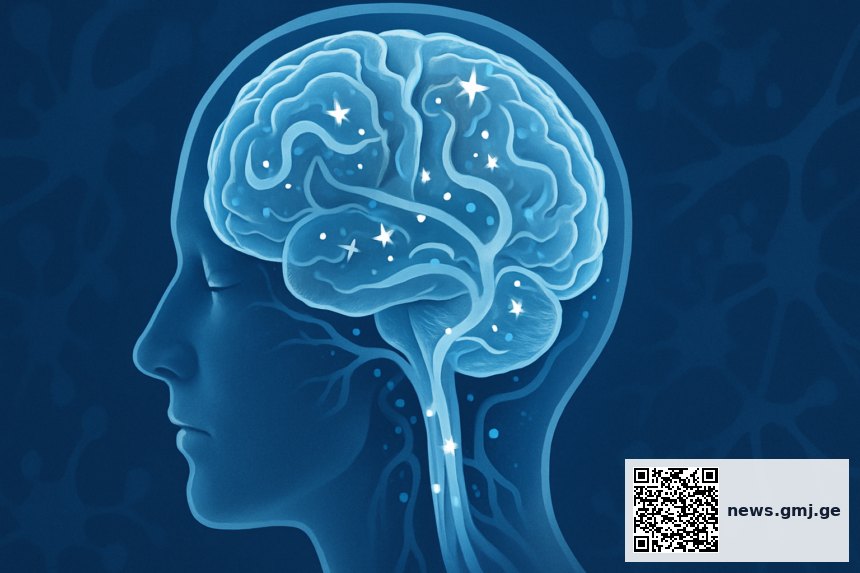
Diagram showing brain's glymphatic system with cerebrospinal fluid flow and astrocyte network
New research reveals how the brain's glymphatic system, astrocytes, and immune cells work continuously to remove toxic proteins and prevent neurodegeneration. Sleep increases waste clearance by 60%, highlighting the critical role of rest in maintaining cognitive health.
SHARE
🎧 Listen to this article6:39 min · 609 words · GMJ Audio

Updated 28/05/2026

Contents
      • Brain’s Multi-System Defense Network
  • Glymphatic System Drives Continuous Brain Detoxification
  • Star-Shaped Astrocytes Orchestrate Neural Traffic Control
  • Microglia Provide Specialized Brain Immune Surveillance
  • Blood-Brain Barrier Maintains Selective Neural Protection
    • Key takeaways
  • Frequently asked questions
    • How does the glymphatic system work?
    • What role do astrocytes play in brain health?
    • How do microglia protect the brain?
3 min read|609 words

The human brain operates a sophisticated waste removal system that functions continuously throughout life, clearing metabolic debris and toxic proteins that could otherwise trigger neurodegenerative diseases. Research published in Communications Biology reveals how the glymphatic system, astrocytes, and specialized immune cells work in concert to maintain neural health through precise fluid dynamics and cellular coordination.

Brain’s Multi-System Defense Network

Key components of neural waste clearance and protection

Glymphatic fluid flow
Primary system
Astrocyte regulation
Traffic control
Microglial clearance
Immune surveillance
Blood-brain barrier
Selective protection
Meningeal lymphatics

Communication pathway

Source: Communications Biology, 2024 | Georgian Medical Journal News

Submit Your Paper
GMJ_Submit_Banner

Glymphatic System Drives Continuous Brain Detoxification

The glymphatic system represents the brain’s primary waste removal mechanism, utilizing cerebrospinal fluid flow alongside blood vessels to flush metabolic toxins from neural tissue. According to research published in Communications Biology, this system operates through coordinated fluid dynamics that transport amyloid plaques, excess neurotransmitters, and metabolic waste away from brain regions.

For more insights on emerging neuroscience research, the system’s mechanisms continue to be studied for therapeutic applications.

🎙️ Related Podcast Episodes
🎧 #47 | GMJ Podcast | Tskaltubo and the Future of Spa-Based Medicine — Radon Therapy, Rehabilitation, and Preventive Health · 19m
🎧 #44 | GMJ Podcast | Infant Formula Contamination — Global Food Safety Failure and the Cereulide Outbreak · 21m
🎧 #28 | GMJ Podcast | SheniEkimi.ge #1: Top 5 Evidence-Based Public Health News · 19m
🎧 #15 | WHO: One in Two People Facing Cataract Blindness Still Need Access to Surgery · 21m
🎧 #8 | WHO Food Safety Surveillance: Strengthening Global Systems to Detect and Prevent Foodborne Diseases · 19m

Star-Shaped Astrocytes Orchestrate Neural Traffic Control

Astrocytes function as the brain’s master regulators, controlling fluid flow while simultaneously managing energy metabolism and neurotransmitter recycling, according to the Communications Biology research. These star-shaped cells extend processes that wrap around blood vessels and neurons, creating a network that coordinates multiple critical functions simultaneously.

The cells shuttle lactate for neuronal fuel, recycle neurotransmitters, and coordinate repair signals between neurons and glial cells. When astrocyte function becomes compromised, the entire brain cleanup system can be affected.

Microglia Provide Specialized Brain Immune Surveillance

Microglia represent the brain’s resident immune cells, constantly surveying neural tissue for damage while carefully modulating inflammatory responses to avoid harming delicate brain structures. These cells sense damage, clear debris, and shape inflammation without triggering attacks that would harm neural tissue.

Healthcare professionals can find additional information about clinical applications of these findings in ongoing therapeutic development.

Blood-Brain Barrier Maintains Selective Neural Protection

The blood-brain barrier functions as a sophisticated gatekeeper rather than an impermeable wall, selectively allowing beneficial molecules to enter while blocking potentially harmful substances. According to the Communications Biology study, nutrients, small molecules, and signaling cytokines cross in tightly controlled ways, while most peripheral immune cells are kept out.

The meningeal lymphatics provide an additional drainage pathway, allowing antigens and immune signals to reach peripheral lymph nodes. This system enables the brain to communicate with the body’s immune system while maintaining its protected status, representing a critical component of neural health maintenance.

Key takeaways

  • Brain waste removal depends on coordinated function of glymphatic system, astrocytes, and microglia working together
  • The glymphatic system uses cerebrospinal fluid flow to clear amyloid and metabolic waste from brain tissue
  • Astrocytes regulate fluid flow, provide neuronal fuel, and coordinate repair signals between brain cells
  • Blood-brain barrier selectively controls molecular transport while meningeal lymphatics enable immune communication

Frequently asked questions

How does the glymphatic system work?

According to the Communications Biology research, cerebrospinal fluid flows alongside blood vessels, guided by astrocytes, washing through brain tissue and carrying away metabolic waste like amyloid and excess neurotransmitters.

What role do astrocytes play in brain health?

The study shows that these star-shaped cells regulate fluid flow, shuttle lactate for neuronal fuel, recycle neurotransmitters, and coordinate repair signals between neurons and glial cells.

How do microglia protect the brain?

Based on the research, microglia handle immune surveillance by sensing damage, clearing debris, and shaping inflammation without triggering immune attacks that would harm delicate neural tissue.

Understanding the brain’s intricate cleanup systems opens new therapeutic avenues for preventing and treating neurodegenerative diseases. As research continues to reveal the mechanisms underlying glymphatic function and astrocyte regulation, targeted interventions may help maintain cognitive health by supporting these natural detoxification processes.

Source: Brain’s Hidden Cleanup System Works Around the Clock

Was this article helpful?

Disclaimer. This article is health journalism intended for general information and education. It is not medical advice and is not a substitute for professional diagnosis or treatment. Always consult a qualified healthcare provider about your individual circumstances. Full disclaimer →

Related Coverage

PQQ Shows Consistent Benefits for Inflammation, Energy, and Memory in Human TrialsJul 25, 2026
Matcha vs Steeped Green Tea: Why Preparation Chemistry Matters More Than the LeafJul 25, 2026
Why women's brains lose omega-3 protection: new insights from European Alzheimer's studyJul 25, 2026
Creatine in Children With Brain Injury: Evidence Contradicts Safety FearsJul 25, 2026
PG
Written by
Prof. Giorgi Pkhakadze, MD, MPH, PhD
Editor-in-Chief, GMJ News
Full profile →  ·  ORCID 0000-0001-7609-4515
Medical disclaimer. This article is health journalism intended for general information. It is not medical advice and is not a substitute for consultation with a qualified healthcare professional. Always seek your physician's advice regarding any medical condition.
Medically reviewed by Prof. Giorgi Pkhakadze, MD, MPH, PhD. Spotted an error? Contact the editorial team.

Get the GMJ News digest
Evidence-based health journalism in your inbox. No spam; unsubscribe anytime.
TAGGED:astrocytesbrain healthglymphatic systemneurodegenerationsleep research
Share This Article
Facebook LinkedIn Bluesky Copy Link Print
GMJ
ByGMJ Research Desk
Follow:
GMJ Research Desk is part of GMJ News, the newsroom of the Georgian Medical Journal (gmj.ge), published by the Public Health Institute of Georgia. Every article is editorially reviewed before publication.
Leave a Comment Leave a Comment

Leave a Reply Cancel reply

Your email address will not be published. Required fields are marked *

Submit Your Paper →

Georgia's peer-reviewed open-access medical journal. No APC until January 2027.
Submit Manuscript →
PQQ Shows Consistent Benefits for Inflammation, Energy, and Memory in Human Trials

Pyrroloquinoline quinone (PQQ), a naturally occurring micronutrient, shows consistent improvements in inflammatory…

Matcha vs Steeped Green Tea: Why Preparation Chemistry Matters More Than the Leaf

Matcha and steeped green tea contain the same plant but differ fundamentally…

Why women’s brains lose omega-3 protection: new insights from European Alzheimer’s study

A 2025 study in Alzheimer's & Dementia identifies a sex-specific mechanism: women…

Submit Your Paper to GMJ

No APC until January 2027.
Submit Manuscript →

You Might Also Like

Scientific illustration of protein wave patterns sweeping across fertilized egg surface
New StudiesResearch Digest

Cellular Wave Patterns Drive Early Life Development Through Protein Dynamics

By
GMJ Research Desk
24/05/2026
Brain network visualization showing alcohol's effect on neural connectivity patterns
New StudiesResearch Digest

Legal Limit Alcohol Reorganizes Brain Networks, Not Just Sedation

By
GMJ Research Desk
22/05/2026
Medical illustration showing CRISPR gene editing process for blood disorders treatmentIllustrative image · "Clinical Feedback!" by juhansonin is licensed under CC BY 2.0. To view a copy of this license, visit https://creativecommons.org/licenses/by/2.0/. (CC BY 2.0)
Clinical UpdatesNew StudiesPracticeResearch Digest

CRISPR Gene Therapy Shows Promise for Children with Sickle Cell Disease and Beta-Thalassemia

By
GMJ Practice Desk
27/06/2026
Scientific diagram showing vitamin D metabolic pathway from sunlight to active hormone controlling multiple body systems
New StudiesResearch Digest

Vitamin D Functions Like Hormone, Regulates Hundreds of Body Processes Beyond Bone Health

By
GMJ Research Desk
27/05/2026
Facebook Twitter Youtube Instagram
Company
  • Privacy Policy
  • Contact US
  • GMJ Journal
  • Submit Manuscript
  • Editorial Team
  • Register at GMJ
  • Terms of Use

Subscribe to GMJ News — Click here

Join Community
© 2026 Georgian Medical Journal (GMJ). Published by the Public Health Institute of Georgia (PHIG). All rights reserved.
Welcome Back!

Sign in to your account

Username or Email Address
Password

Lost your password?

Not a member? Sign Up