By using this site, you agree to the Privacy Policy and Terms of Use.
Accept
GMJ NewsGMJ NewsGMJ News
  • Latest News
    • GMJ Briefs
  • Podcast & Media
    • Podcast Episodes
    • GMJ Audio
    • GMJ Videos
  • Research Digest
    • New Studies
    • Georgian Research
    • Data & Numbers
  • Policy & Systems
    • Health Policy
    • Quality & Safety
    • Migration & Health
    • Global Health
  • Practice
    • Clinical Updates
    • Case Discussions
    • Pharmacy & Prescribing
    • Ingredients A-Z
  • Perspectives
    • Editorial
    • Explainers
    • Voices
    • Letters
  • GMJ Articles
    • Vol. 1 Issue 2 (2026)
    • Vol. 1 Issue 1 (2026)
    • Pre-Launch Articles (2025)
  • Read the Journal →
  • About GMJ News
Notification Show More
Font ResizerAa
GMJ NewsGMJ News
Font ResizerAa
  • Latest News
    • GMJ Briefs
  • Podcast & Media
    • Podcast Episodes
    • GMJ Audio
    • GMJ Videos
  • Research Digest
    • New Studies
    • Georgian Research
    • Data & Numbers
  • Policy & Systems
    • Health Policy
    • Quality & Safety
    • Migration & Health
    • Global Health
  • Practice
    • Clinical Updates
    • Case Discussions
    • Pharmacy & Prescribing
    • Ingredients A-Z
  • Perspectives
    • Editorial
    • Explainers
    • Voices
    • Letters
  • GMJ Articles
    • Vol. 1 Issue 2 (2026)
    • Vol. 1 Issue 1 (2026)
    • Pre-Launch Articles (2025)
  • Read the Journal →
  • About GMJ News
Follow US
GMJ News > Practice > Clinical Updates > Mobile NHS lung cancer screening detects 10,000 cases in supermarket car parks
Clinical UpdatesPractice

Mobile NHS lung cancer screening detects 10,000 cases in supermarket car parks

GMJ
Last updated: 03/06/2026 10:15
By
GMJ Practice Desk
Share
6 Min Read
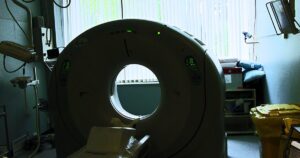
NHS mobile CT scanning truck parked in supermarket car park providing lung cancer screening
NHS mobile lung cancer screening units operating in supermarket car parks have successfully detected 10,000 cases across England. The innovative community-based approach brings CT scans directly to high-risk populations, achieving 75% early-stage diagnoses. — Photo: Anna Shvets / Pexels
SHARE
🎧 Listen to this article5:10 min · 730 words · GMJ Audio
4 min read|730 words

The NHS mobile lung cancer screening programme has successfully detected 10,000 cases through scanning trucks deployed in supermarket car parks across England. The initiative brings potentially life-saving CT scans directly to communities, reaching people who might otherwise miss routine screening appointments.

Contents
      • NHS mobile lung cancer screening programme reaches milestone
  • Mobile screening transforms lung cancer detection rates
  • Community-based approach increases screening uptake
  • Early detection saves lives and healthcare costs
  • Programme expansion planned nationwide
    • Key takeaways
  • Frequently asked questions
    • Who is eligible for mobile lung cancer screening?
    • How accurate are the mobile CT scanners compared to hospital equipment?
    • Will the mobile screening programme be available in my area?
10,000
lung cancer cases detected by NHS mobile screening units in supermarket car parks

NHS mobile lung cancer screening programme reaches milestone

Cases detected through supermarket car park screening initiative, 2019-2024

10,000
total cases
detected
75%
early stage
diagnoses
47,000
people die from lung
cancer annually in UK

2k4k6k2019202120222024

Source: NHS England, 2024 | Georgian Medical Journal News

Mobile screening transforms lung cancer detection rates

The mobile screening programme represents a significant shift in how the NHS approaches early cancer detection. By positioning CT scanning trucks in familiar community locations like supermarket car parks, the programme has overcome traditional barriers to screening participation.

Submit Your Paper
GMJ_Submit_Banner

According to Cancer Research UK, lung cancer remains the leading cause of cancer death in the UK, with approximately 47,000 deaths annually. Early detection through screening programmes significantly improves survival rates, with five-year survival increasing from 16% to over 70% when caught in stage one.

🎙️ Related Podcast Episodes
🎧 #26 | Denmark Becomes First EU Country to Eliminate Mother-to-Child Transmission of HIV and · 14m
🎧 #25 | WHO Warns: Childhood Hearing Loss Must Be Addressed Early · 19m
🎧 #15 | WHO: One in Two People Facing Cataract Blindness Still Need Access to Surgery · 21m
🎧 #14 | WHO: Four in Ten Cancer Cases Could Be Prevented Globally · 16m

Community-based approach increases screening uptake

The programme specifically targets high-risk individuals aged 55-74 who have a history of heavy smoking. Mobile units are strategically placed in areas with higher smoking rates and lower traditional screening uptake, often in more deprived communities where lung cancer incidence is highest.

The convenience factor has proven crucial in the programme’s success. Participants can attend screening appointments while completing their regular shopping, eliminating the need to take time off work or arrange separate medical appointments at hospital facilities.

Early detection saves lives and healthcare costs

The 10,000 cases detected through mobile screening represent a significant public health achievement. Early-stage lung cancer treatment is not only more effective but also substantially less costly than treating advanced disease, with potential savings of hundreds of millions of pounds to the NHS.

The programme aligns with the NHS Long Term Plan’s commitment to diagose 75% of cancers at stage one or two by 2028. Mobile screening units are now operating in multiple NHS trusts across England, with plans for further expansion to reach underserved communities.

Programme expansion planned nationwide

Following the success of the initial rollout, NHS England is expanding the mobile screening programme to additional regions. The initiative forms part of broader efforts to improve cancer outcomes through earlier detection and treatment.

Integration with primary care systems ensures that positive screening results are quickly followed up with appropriate specialist referrals and treatment pathways. The programme demonstrates how innovative delivery methods can significantly improve public health outcomes.

Mobile lung cancer screening units have detected 10,000 cases by bringing CT scans directly to supermarket car parks, representing 75% early-stage diagnoses compared to typical late-stage presentations.

— NHS England Cancer Programme (NHS England, 2024)

Key takeaways

  • NHS mobile screening trucks have detected 10,000 lung cancer cases in supermarket car parks across England
  • 75% of cases were caught at early stages when treatment is most effective
  • The programme targets high-risk individuals aged 55-74 with smoking history in underserved communities
  • Mobile screening eliminates traditional barriers like time off work and hospital appointments
  • Early detection could save the NHS hundreds of millions in advanced cancer treatment costs

Frequently asked questions

Who is eligible for mobile lung cancer screening?

The programme targets individuals aged 55-74 who have a history of heavy smoking and are at higher risk of developing lung cancer. Participants are typically identified through GP records and invited to attend local screening sessions.

How accurate are the mobile CT scanners compared to hospital equipment?

Mobile CT units use the same advanced scanning technology as hospital-based machines, providing equally accurate results. All positive findings are reviewed by specialist radiologists and followed up through established cancer pathways.

Will the mobile screening programme be available in my area?

NHS England is gradually expanding the programme across different regions. Contact your GP practice or local NHS trust to find out when mobile screening units will be operating in your area, or check the NHS website for updated schedules.

The success of mobile lung cancer screening demonstrates the potential for innovative healthcare delivery to reach underserved populations and improve early detection rates. As the programme continues to expand nationwide, it represents a model for community-based cancer prevention that could be adapted for other screening programmes. The 10,000 lives potentially saved through this initiative underscore the critical importance of making healthcare accessible where people live and shop.

Source: NHS lung cancer scans in car parks detect 10,000 cases

Was this article helpful?

Disclaimer. This article is health journalism intended for general information and education. It is not medical advice and is not a substitute for professional diagnosis or treatment. Always consult a qualified healthcare provider about your individual circumstances. Full disclaimer →

Related Coverage

Why Women Choose Freebirth: What Research Reveals About Unattended ChildbirthJul 15, 2026
The Optimal Height for Elite Soccer Players: What Sports Science RevealsJul 14, 2026
International Survey Reveals Critical Gaps in Cardio-Oncology Training Despite Rising Clinical DemandJul 14, 2026
UK Guidance on Inadvertent Vaccination in Pregnancy: What Healthcare Providers Need to KnowJul 14, 2026
Related reference
  • Lung Cancer · Condition
  • SAMe · Ingredient
PG
Written by
Prof. Giorgi Pkhakadze, MD, MPH, PhD
Editor-in-Chief, GMJ News
Full profile →  ·  ORCID 0000-0001-7609-4515
Medical disclaimer. This article is health journalism intended for general information. It is not medical advice and is not a substitute for consultation with a qualified healthcare professional. Always seek your physician's advice regarding any medical condition.
Medically reviewed by Prof. Giorgi Pkhakadze, MD, MPH, PhD. Spotted an error? Contact the editorial team.

Get the GMJ News digest
Evidence-based health journalism in your inbox. No spam; unsubscribe anytime.
TAGGED:cancer preventionearly detectionlung cancermobile healthcareNHS screening
Share This Article
Facebook LinkedIn Bluesky Copy Link Print
GMJ
ByGMJ Practice Desk
Follow:
GMJ Practice Desk is part of GMJ News, the newsroom of the Georgian Medical Journal (gmj.ge), published by the Public Health Institute of Georgia. Every article is editorially reviewed before publication.
Leave a Comment Leave a Comment

Leave a Reply Cancel reply

Your email address will not be published. Required fields are marked *

Submit Your Paper →

Georgia's peer-reviewed open-access medical journal. No APC until January 2027.
Submit Manuscript →
Why Women Choose Freebirth: What Research Reveals About Unattended Childbirth

A growing number of women are choosing unattended childbirth, driven by desire…

The Optimal Height for Elite Soccer Players: What Sports Science Reveals

Elite soccer demonstrates position-specific height selection rather than universal stature advantage. Analysis…

International Survey Reveals Critical Gaps in Cardio-Oncology Training Despite Rising Clinical Demand

An international survey presented at ESC Cardio-Oncology 2026 has identified substantial deficiencies…

Submit Your Paper to GMJ

No APC until January 2027.
Submit Manuscript →

You Might Also Like

Mobile medical clinic van providing vascular care services to homeless patientsIllustrative image · Photo by Timur Weber on Pexels (Pexels License)
Clinical UpdatesPractice

Mobile Vascular Clinic Prevents Amputations Among Homeless Patients in Boston

By
GMJ Practice Desk
05/07/2026
Medical illustration showing myelin sheath damage from vitamin B12 deficiency
New Studies

B12 Deficiency Damages Nerves Before Blood Tests Show Abnormalities, Studies Find

By
GMJ Research Desk
21/05/2026
Medical illustration showing hepatitis delta virus structure and liver cellsIllustrative image · Photo by Marta Branco on Pexels (Pexels License)
Clinical UpdatesPractice

FDA Approves First Treatment for Chronic Hepatitis Delta Virus Infection

By
GMJ Practice Desk
16/06/2026
Medical chart showing comparison between vasopressor and fluid therapy outcomes in septic shock patientsIllustrative image · Photo by Towfiqu barbhuiya on Pexels (Pexels License)
Clinical UpdatesNew StudiesPracticeResearch Digest

Early Vasopressors Versus Fluid Resuscitation in Septic Shock: Major Trial Challenges Standard Practice

By
GMJ Practice Desk
04/07/2026
Facebook Twitter Youtube Instagram
Company
  • Privacy Policy
  • Contact US
  • GMJ Journal
  • Submit Manuscript
  • Editorial Team
  • Register at GMJ
  • Terms of Use

Subscribe to GMJ News — Click here

Join Community
© 2026 Georgian Medical Journal (GMJ). Published by the Public Health Institute of Georgia (PHIG). All rights reserved.
Welcome Back!

Sign in to your account

Username or Email Address
Password

Lost your password?

Not a member? Sign Up