By using this site, you agree to the Privacy Policy and Terms of Use.
Accept
GMJ NewsGMJ NewsGMJ News
  • Latest News
    • GMJ Briefs
  • Podcast & Media
    • Podcast Episodes
    • GMJ Audio
    • GMJ Videos
  • Research Digest
    • New Studies
    • Georgian Research
    • Data & Numbers
  • Policy & Systems
    • Health Policy
    • Quality & Safety
    • Migration & Health
    • Global Health
  • Practice
    • Clinical Updates
    • Case Discussions
    • Pharmacy & Prescribing
    • Ingredients A-Z
  • Perspectives
    • Editorial
    • Explainers
    • Voices
    • Letters
  • GMJ Articles
    • Vol. 1 Issue 2 (2026)
    • Vol. 1 Issue 1 (2026)
    • Pre-Launch Articles (2025)
  • Read the Journal →
  • About GMJ News
Notification Show More
Font ResizerAa
GMJ NewsGMJ News
Font ResizerAa
  • Latest News
    • GMJ Briefs
  • Podcast & Media
    • Podcast Episodes
    • GMJ Audio
    • GMJ Videos
  • Research Digest
    • New Studies
    • Georgian Research
    • Data & Numbers
  • Policy & Systems
    • Health Policy
    • Quality & Safety
    • Migration & Health
    • Global Health
  • Practice
    • Clinical Updates
    • Case Discussions
    • Pharmacy & Prescribing
    • Ingredients A-Z
  • Perspectives
    • Editorial
    • Explainers
    • Voices
    • Letters
  • GMJ Articles
    • Vol. 1 Issue 2 (2026)
    • Vol. 1 Issue 1 (2026)
    • Pre-Launch Articles (2025)
  • Read the Journal →
  • About GMJ News
Follow US
GMJ News > Practice > Clinical Updates > Experimental GSK drug achieves functional hepatitis B cure in 1 in 5 patients
Clinical UpdatesPractice

Experimental GSK drug achieves functional hepatitis B cure in 1 in 5 patients

GMJ
Last updated: 28/05/2026 18:52
By
GMJ Practice Desk
Share
6 Min Read
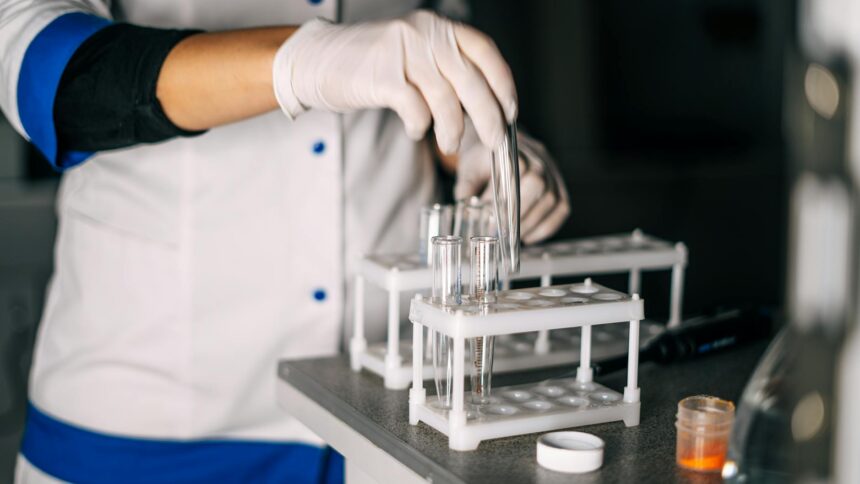
Medical illustration showing hepatitis B virus and treatment breakthrough concept
GSK's experimental drug bepirovirsen achieved functional hepatitis B cure in 18% of patients during phase 2 trials, vastly outperforming current treatments. The breakthrough offers hope for millions living with chronic hepatitis B worldwide. — Photo: Daria / Pexels
SHARE
🎧 Listen to this article4:55 min · 441 words · GMJ Audio
2 min read|441 words

An experimental drug from GlaxoSmithKline has achieved what researchers call a “functional cure” for chronic hepatitis B in nearly one in five patients during clinical trials, according to new data reported by STAT. The treatment, known as bepirovirsen, vastly outperformed current standard therapies in helping patients achieve sustained viral suppression.

Contents
      • Functional cure rates by treatment approach
  • Breakthrough results in phase 2 trials
  • Global burden drives urgent need for better treatments
  • Safety profile and next steps
    • Key takeaways
  • Frequently asked questions
    • What is a functional cure for hepatitis B?
    • How does bepirovirsen differ from current treatments?
18%
of patients achieved functional cure with experimental GSK treatment versus 1% with current therapy

Functional cure rates by treatment approach

Percentage of patients achieving sustained viral suppression, 24-week study period

GSK experimental drug
18%
Current standard therapy

1%

No treatment

0%

Source: STAT reporting on GSK Clinical Trial Data, 2026 | Georgian Medical Journal News

Breakthrough results in phase 2 trials

The phase 2 clinical trial results showed that bepirovirsen helped 18% of patients achieve what researchers define as a functional cure, according to STAT’s report on the data. This means patients maintained undetectable levels of hepatitis B surface antigen (HBsAg) for at least 24 weeks after treatment ended.

Submit Your Paper
GMJ_Submit_Banner

In contrast, current standard treatments achieve functional cure rates of approximately 1% annually, according to the reported data. Bepirovirsen works through an antisense oligonucleotide mechanism, targeting viral RNA to prevent hepatitis B virus replication.

🎙️ Related Podcast Episodes
🎧 #45 | GMJ Podcast | Tskaltubo Mineral Baths in Osteoarthritis — Microcirculation, Erythrocytes, and Clinical Effects · 18m

Global burden drives urgent need for better treatments

Chronic hepatitis B remains a leading cause of liver cancer and cirrhosis globally, with the World Health Organization reporting approximately 820,000 deaths annually from hepatitis B-related complications. Current treatments require lifelong administration and rarely achieve complete viral clearance.

The disease disproportionately affects populations in sub-Saharan Africa and East Asia, where vertical transmission from mother to child remains common. An estimated 296 million people live with chronic hepatitis B worldwide.

Safety profile and next steps

According to the reported trial data, safety information showed manageable side effects primarily related to injection site reactions. No serious adverse events were attributed directly to bepirovirsen treatment.

Key takeaways

  • GSK’s bepirovirsen achieved functional cure in 18% of hepatitis B patients versus 1% with current therapy
  • Treatment works through antisense mechanism targeting viral RNA rather than just suppressing replication
  • Results represent potential breakthrough for hepatitis B treatment

Frequently asked questions

What is a functional cure for hepatitis B?

A functional cure means patients maintain undetectable levels of hepatitis B surface antigen for at least 24 weeks after treatment ends. While the virus may remain dormant in liver cells, it no longer replicates actively or causes progressive liver damage.

How does bepirovirsen differ from current treatments?

Unlike current nucleoside analogues that suppress viral replication, bepirovirsen uses antisense oligonucleotide technology to target and degrade viral RNA.

The promising results position bepirovirsen as a potential advance for hepatitis B treatment, according to the clinical trial data reported by STAT.

Source: STAT+: Experimental hepatitis B treatment was a ‘functional cure’ for nearly 1 in 5, new data show

Was this article helpful?

Disclaimer. This article is health journalism intended for general information and education. It is not medical advice and is not a substitute for professional diagnosis or treatment. Always consult a qualified healthcare provider about your individual circumstances. Full disclaimer →

Related Coverage

Why Nearly Half of U.S. Counties Lack Maternity Care Despite Falling Birth RatesJul 14, 2026
Correction issued for MAGE-A4/A8 immunotherapy trial in advanced solid tumoursJul 14, 2026
Jackfruit-derived biomaterial shows promise in reversing severe gum disease damageJul 14, 2026
Scientists Reprogram Brain Immune Cells to Combat Alzheimer's DiseaseJul 14, 2026
Related reference
  • Hepatitis B · Condition
PG
Written by
Prof. Giorgi Pkhakadze, MD, MPH, PhD
Editor-in-Chief, GMJ News
Full profile →  ·  ORCID 0000-0001-7609-4515
Medical disclaimer. This article is health journalism intended for general information. It is not medical advice and is not a substitute for consultation with a qualified healthcare professional. Always seek your physician's advice regarding any medical condition.
Medically reviewed by Prof. Giorgi Pkhakadze, MD, MPH, PhD. Spotted an error? Contact the editorial team.

Get the GMJ News digest
Evidence-based health journalism in your inbox. No spam; unsubscribe anytime.
TAGGED:bepirovirsenclinical trialsfunctional cureGSKhepatitis B
Share This Article
Facebook LinkedIn Bluesky Copy Link Print
GMJ
ByGMJ Practice Desk
Follow:
GMJ Practice Desk is part of GMJ News, the newsroom of the Georgian Medical Journal (gmj.ge), published by the Public Health Institute of Georgia. Every article is editorially reviewed before publication.
Leave a Comment Leave a Comment

Leave a Reply Cancel reply

Your email address will not be published. Required fields are marked *

Submit Your Paper →

Georgia's peer-reviewed open-access medical journal. No APC until January 2027.
Submit Manuscript →
Why Nearly Half of U.S. Counties Lack Maternity Care Despite Falling Birth Rates

Nearly 50% of U.S. counties lack an obstetrician-gynecologist despite falling birth rates.…

Why Sunlight Triggers Sneezing in Some People: The Science Behind Photic Sneeze Reflex

Approximately 18–35% of people experience involuntary sneezing when exposed to bright sunlight—a…

Correction issued for MAGE-A4/A8 immunotherapy trial in advanced solid tumours

Nature Medicine has published an author correction to a phase 1 trial…

Submit Your Paper to GMJ

No APC until January 2027.
Submit Manuscript →

You Might Also Like

Comparison chart showing treatment response of bradykinin vs histamine-mediated angioedema to standard medicationsIllustrative image · More than makeup- Surgeon Cell Soldier turns moulage art into operational readiness (9245265).jpg by U.S. Army photo by Spc. Micheala Maldonado / Public domain via Wikimedia Commons (Public domain)
Pharmacy & PrescribingPolicy & SystemsPracticeQuality & Safety

ACE Inhibitors and Angioedema: Why Distinguishing Drug Types Matters for Treatment

By
GMJ Practice Desk
10/07/2026
Pharmaceutical research laboratory with obesity drug developmentIllustrative image · Photo by Kampus Production on Pexels (Pexels License)
Clinical UpdatesPractice

Eli Lilly Reports Safety Data for Next-Generation Obesity Drug Retatrutide

By
GMJ Practice Desk
05/07/2026
Chart showing prosecutor's fallacy and Simpson's paradox as risks in drug safety assessmentIllustrative image · "Antibiotics" by michaelll is licensed under CC BY-SA 2.0. To view a copy of this license, visit https://creativecommons.org/licenses/by-sa/2.0/. (CC BY-SA 2.0)
Clinical UpdatesPolicy & SystemsPracticeQuality & Safety

How statistical paradoxes mislead drug safety decisions—and why AI may help

By
GMJ Practice Desk
11/07/2026
MHRA medicines defect notification document for denosumab injection labelling errorIllustrative image · Photo by cottonbro studio on Pexels (Pexels License)
Pharmacy & PrescribingPractice

UK Health Regulator Issues Class 4 Alert for Denosumab Injection Labelling Error

By
GMJ Practice Desk
15/06/2026
Facebook Twitter Youtube Instagram
Company
  • Privacy Policy
  • Contact US
  • GMJ Journal
  • Submit Manuscript
  • Editorial Team
  • Register at GMJ
  • Terms of Use

Subscribe to GMJ News — Click here

Join Community
© 2026 Georgian Medical Journal (GMJ). Published by the Public Health Institute of Georgia (PHIG). All rights reserved.
Welcome Back!

Sign in to your account

Username or Email Address
Password

Lost your password?

Not a member? Sign Up