



Prof. Giorgi Pkhakadze, MD, MPH, PhD

Automated genomic reanalysis tool offers new hope for rare disease diagnosis at scale
A new automated tool called Talos has demonstrated the feasibility of systematically reanalysing genomic data to identify previously missed diagnoses…

Blood Policy Evolution Among Jehovah’s Witnesses: A Clinical Imperative for Informed Consent
The Jehovah's Witnesses blood policy shift now permits blood-derived products while maintaining whole-blood prohibition. Healthcare systems must update staff education,…

Eli Lilly Invests in AI-Driven Hair Loss Drug Development Through Absci Partnership
Eli Lilly has invested in Absci, a biotechnology startup using artificial intelligence to develop novel hair loss treatments and potentially…

Parental Obesity Linked to Childhood Weight and Eating Habits—But Genetics Matter More Than Direct Influence
A study of 86,000 Norwegian children reveals that while parental obesity is associated with offspring weight gain and eating behaviour,…

Gonorrhea burden in sub-Saharan Africa remains stubbornly high: new meta-analysis reveals 3.2% general population prevalence
A comprehensive meta-analysis covering 1,604 prevalence measures documents that Neisseria gonorrhoeae affects 3.2% of the general population in sub-Saharan Africa,…

The Nigeria Methanol Crisis: Why Informal Alcohol Manufacturing Demands Urgent Regulatory Intervention
Nigeria's methanol poisoning outbreak, which claimed nearly fifty lives, reveals a catastrophic regulatory failure in informal alcohol manufacturing that demands…
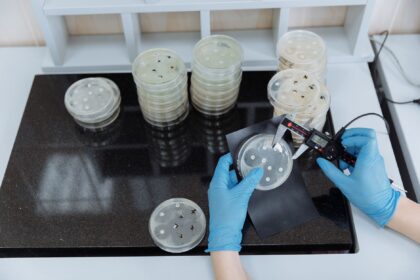
Overuse of ‘Just in Case’ Antibiotics Accelerates Antimicrobial Resistance Crisis, Researchers Warn
A new commentary warns that prescribing antibiotics defensively—"just in case"—without clear clinical indication is accelerating the global antimicrobial resistance crisis.…

Amyloid PET Emerges as Key Tool for Managing Anti-Amyloid Alzheimer’s Therapy
Anti-amyloid monoclonal antibodies for Alzheimer's disease are now shifting clinical focus from diagnosis to individual treatment optimisation. Amyloid PET imaging…