



Prof. Giorgi Pkhakadze

Thyroid Health Depends on Three Nutrients Working Together, Not One Alone
Thyroid hormone production requires iodine, selenium, and tyrosine working together as an integrated system. Each nutrient plays a distinct biochemical…

How B vitamins and minerals power your cells: the science of micronutrient-driven energy
B vitamins and minerals are catalytic cofactors and coenzymes in the three metabolic pathways that generate ATP energy. Deficiency in…

How Brewing Method Changes What’s in Your Cup: Science of Tea, Coffee, Matcha, and Beyond
The nutritional content of tea, coffee, matcha, cacao, and yerba mate is not fixed. Steeping time, roast level, temperature, and…

Coffee’s Microbiome Effect Goes Beyond Caffeine: New Study Maps Shifts in Gut Bacteria
A controlled microbiome study of 62 adults reveals that coffee's polyphenolic compounds—not caffeine—drive shifts in gut bacteria linked to barrier…

Polyphenol Content Varies Tenfold Across Berries and Foods — What the Science Shows
Polyphenol content in berries varies more than fivefold, with chokeberry and cocoa powder delivering over 1,500 mg per 100g fresh…

Vitamin C and Iron Supplements: The Evidence Falls Short of the Hype
Vitamin C enhances plant-based iron absorption through a well-documented biochemical mechanism, but clinical trials show it provides negligible benefit when…

The Melatonin Myth: Why Taking a Pill Misses the Biochemical Picture
Most people treat melatonin as a simple sleep replacement, but your body synthesises it through a four-step biochemical pathway dependent…
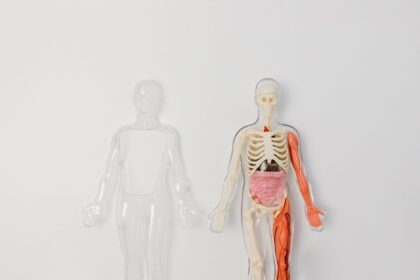
Melatonin’s antioxidant role in muscle health: what the evidence shows
Melatonin, known for antioxidant effects in the brain and gut, may also protect skeletal muscle through mitochondrial signalling pathways. Animal…