By using this site, you agree to the Privacy Policy and Terms of Use.
Accept
GMJ NewsGMJ NewsGMJ News
  • Latest News
    • GMJ Briefs
  • Podcast & Media
    • Podcast Episodes
    • GMJ Audio
    • GMJ Videos
  • Research Digest
    • New Studies
    • Georgian Research
    • Data & Numbers
  • Policy & Systems
    • Health Policy
    • Quality & Safety
    • Migration & Health
    • Global Health
  • Practice
    • Clinical Updates
    • Case Discussions
    • Pharmacy & Prescribing
    • Ingredients A-Z
  • Perspectives
    • Editorial
    • Explainers
    • Voices
    • Letters
  • Health Topics
    • Diabetes
    • Cancer
    • Cardiovascular
    • Mental Health
    • Vaccines
    • Supplements
    • Migration & Health
    • Patient Safety & Accreditation
    • Occupational Safety and Health
  • GMJ Articles
    • Vol. 1 Issue 2 (2026)
    • Vol. 1 Issue 1 (2026)
    • Pre-Launch Articles (2025)
  • Read the Journal →
  • About GMJ News
Notification Show More
Font ResizerAa
GMJ NewsGMJ News
Font ResizerAa
  • Latest News
    • GMJ Briefs
  • Podcast & Media
    • Podcast Episodes
    • GMJ Audio
    • GMJ Videos
  • Research Digest
    • New Studies
    • Georgian Research
    • Data & Numbers
  • Policy & Systems
    • Health Policy
    • Quality & Safety
    • Migration & Health
    • Global Health
  • Practice
    • Clinical Updates
    • Case Discussions
    • Pharmacy & Prescribing
    • Ingredients A-Z
  • Perspectives
    • Editorial
    • Explainers
    • Voices
    • Letters
  • Health Topics
    • Diabetes
    • Cancer
    • Cardiovascular
    • Mental Health
    • Vaccines
    • Supplements
    • Migration & Health
    • Patient Safety & Accreditation
    • Occupational Safety and Health
  • GMJ Articles
    • Vol. 1 Issue 2 (2026)
    • Vol. 1 Issue 1 (2026)
    • Pre-Launch Articles (2025)
  • Read the Journal →
  • About GMJ News
Follow US
GMJ News > GMJ Briefs > By the Numbers: Thiamine Depletion in Heart Failure Exceeds Control Populations Threefold

By the Numbers: Thiamine Depletion in Heart Failure Exceeds Control Populations Threefold

GMJ
Last updated: 02/08/2026 23:30
By
Prof. Giorgi Pkhakadze
Share
1 Min Read
Comparison chart showing thiamine deficiency rates in heart failure patients versus healthy controls
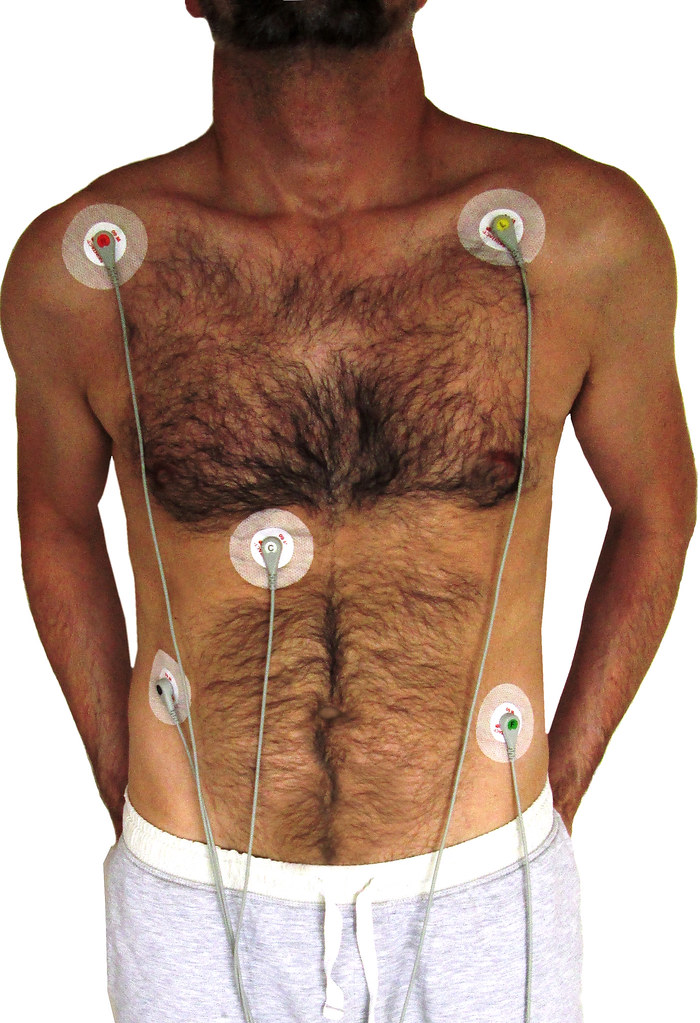
One-third of hospitalized heart failure patients have thiamine deficiency, yet this treatable metabolic bottleneck is rarely screened or addressed in routine care. Loop diuretics, essential for symptom relief, accelerate thiamine depletion. — "Heart Monitor" by medipics1066 is marked with Public Domain Mark 1.0. To view the terms, visit https://creativecommons.org/publicdomain/mark/1.0/. (Public Domain Mark)
SHARE
1 min read|130 words

New research from the Hanninen et al. comparative cohort study quantifies a striking metabolic vulnerability: 33% of heart failure patients on loop diuretics demonstrate measurable thiamine deficiency, compared with 12% in matched healthy controls. The clinical significance becomes clearer when considering the body’s thiamine reserves: total stores measure only 25–30 milligrams—an amount sufficient for roughly 2–3 weeks without replenishment.

Loop diuretics, standard therapy for managing heart failure congestion, directly increase renal clearance of thiamine, accelerating this depletion cycle. This creates a paradox: the medications necessary for symptom relief simultaneously trigger a micronutrient deficit that compromises the very metabolic process the heart depends upon for energy production.

These data underscore why thiamine status assessment warrants integration into routine heart failure evaluation protocols, particularly in hospitalized populations where deficiency prevalence exceeds one in three patients.

Was this article helpful?

GMJ Brief · Key Finding

📰 Read the full article: Why Heart Failure Patients Need Thiamine: A Metabolic Imperative Often Overlooked →

Related reference
  • Heart Failure · Condition
  • Thiamine · Ingredient
  • Thiamin · Ingredient
Share This Article
Facebook LinkedIn Bluesky Copy Link Print
GMJ
ByProf. Giorgi Pkhakadze
Follow:
Prof. Giorgi Pkhakadze, MD, MPH, PhD, is Editor-in-Chief of the Georgian Medical Journal and Chair of the Public Health Institute of Georgia (PHIG). He is Professor and Head of the Department of Social and Behavioural Sciences at David Tvildiani Medical University, and Secretary/Treasurer of the UEMS Section of Public Health. ORCID: 0000-0001-7609-4515.

Submit Your Paper →

Georgia's peer-reviewed open-access medical journal. No APC until January 2027.
Submit Manuscript →
Heat stress affects women more severely than men, research suggests

Women experience greater physiological strain during heat exposure than men, driven by…

Federal Judge Blocks Subpoenas Targeting Transgender Patient Records at New York Hospitals

A federal judge temporarily blocked prosecutors from accessing transgender patient medical records…

U.S. Healthcare Spending Surged 7.3% in 2025, Driven by GLP-1 Adoption and Increased Care Utilization

U.S. healthcare spending surged 7.3% to approximately $6 trillion in 2025, driven…

Submit Your Paper to GMJ

No APC until January 2027.
Submit Manuscript →

You Might Also Like

Map showing malaria prevention coverage across sub-Saharan African countries

What the 17-Country Malaria Study Reveals About Prevention Failures

By
Prof. Giorgi Pkhakadze
24/06/2026
Medical professionals reviewing kidney health policy documents and implementation guidelines

850 Million Affected: The Stark Reality Behind WHO’s Kidney Health Resolution

By
Prof. Giorgi Pkhakadze
14/07/2026

PHEIC Declaration: Cross-Border Ebola Outbreak DRC-Uganda

By
Prof. Giorgi Pkhakadze
31/05/2026
Healthcare professionals participating in pregnancy substance use disorder training program

Three Critical Lessons from Colorado’s Pregnancy Substance Use Training Program for Healthcare Systems

By
Prof. Giorgi Pkhakadze
03/08/2026
Facebook Twitter Youtube Instagram
Company
  • Privacy Policy
  • Contact US
  • GMJ Journal
  • Submit Manuscript
  • Editorial Team
  • Register at GMJ
  • Terms of Use

Subscribe to GMJ News — Click here

Join Community
© 2026 Georgian Medical Journal (GMJ). Published by the Public Health Institute of Georgia (PHIG). All rights reserved.
Welcome Back!

Sign in to your account

Username or Email Address
Password

Lost your password?

Not a member? Sign Up