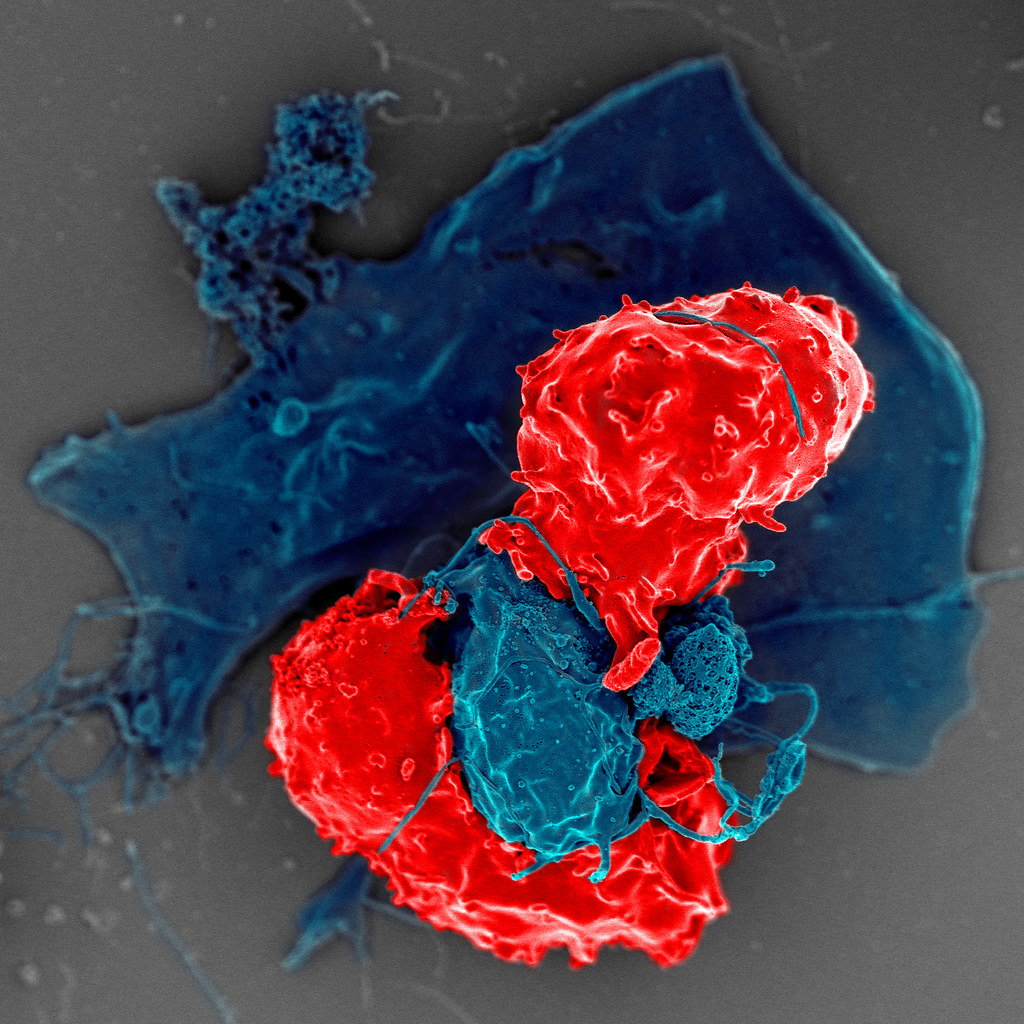
A paradigm shift in autoimmune therapy is emerging, according to new research published in Frontiers in Science. Rather than simply suppressing inflammation, regulatory T cells—immune ‘peacemakers’—actively restore the body’s natural ability to tolerate self-tissues while maintaining protective responses against genuine threats.
This tolerance-based approach differs fundamentally from conventional immunosuppressants, which manage symptoms but fail to address the underlying loss of immune tolerance. Regulatory T cells can reprogram immune responses to prevent lifelong autoimmune attack, offering potential pathways to sustained remission in type 1 diabetes, autoimmune thyroid disease, and neurodegenerative conditions.
The clinical significance is substantial: when immunosuppressive drugs are withdrawn, disease flares typically recur. Tolerance-restoring therapies could enable treatment discontinuation and long-term disease control without continuous medication. This represents a fundamental departure from current standard-of-care approaches and could redefine remission outcomes across multiple autoimmune disorders.
Was this article helpful?