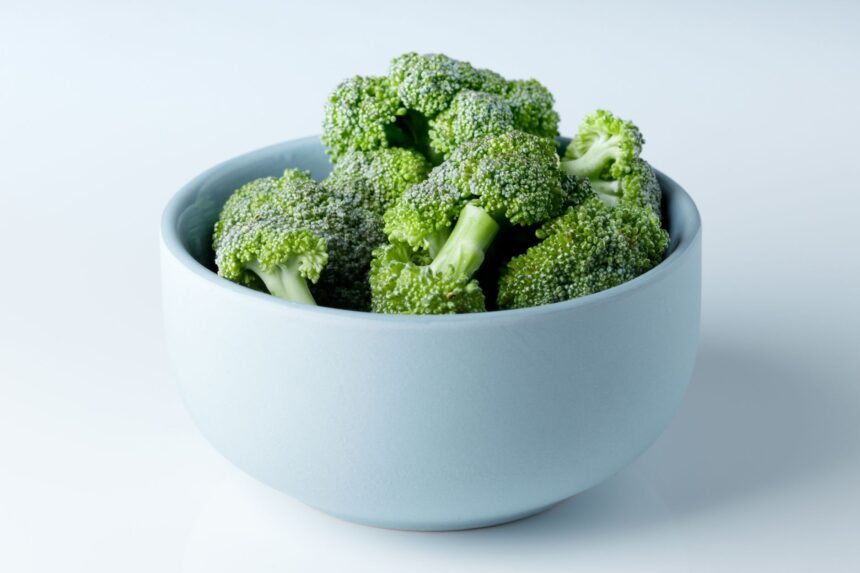
A controlled laboratory study from the University of California, Davis has challenged the widely held belief that fresh produce is nutritionally superior to frozen alternatives. Researchers comparing eight common vegetables and berries found that frozen samples matched or exceeded fresh produce in vitamin C, vitamin E, and B vitamins when stored under standard conditions.
The key advantage of frozen produce lies in timing: rapid freezing within hours of harvest preserves micronutrients at peak ripeness, whereas conventionally stored fresh produce degrades during transport and refrigeration. Only β-carotene showed a consistent advantage in fresh produce, though this benefit diminishes significantly if fresh items are stored for more than five days.
These findings have important implications for food security and accessibility, as frozen produce eliminates cost and waste barriers without sacrificing nutritional value. Read the full article on GMJ Newsroom.
Was this article helpful?
GMJ Brief · Announcement
📰 Read the full article: Frozen produce rivals fresh in most vitamins, UC Davis study finds →