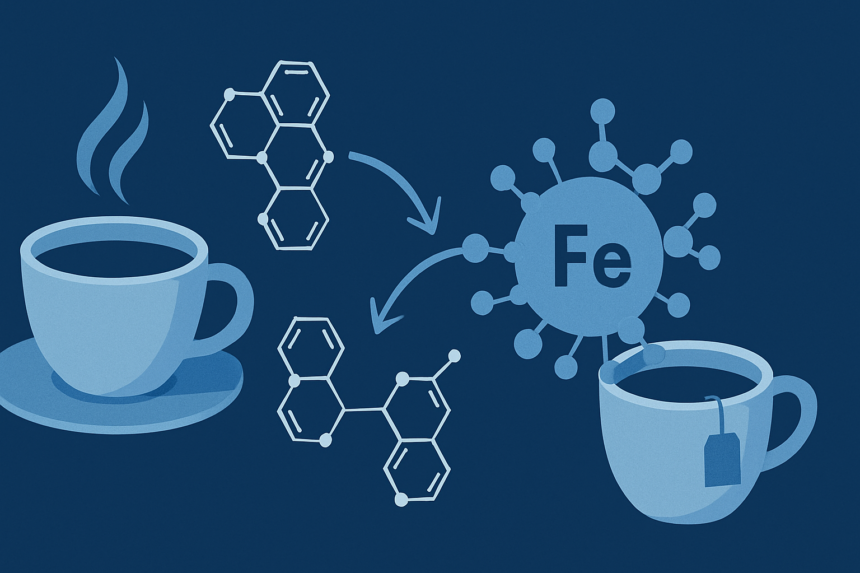
Recent research has quantified a well-documented but often underappreciated interaction: coffee and tea consumption with meals substantially reduces dietary iron absorption through polyphenol binding mechanisms. Studies using radio-labeled iron in controlled human subjects demonstrate reductions ranging from 47% to 94% depending on beverage type and polyphenol concentration.
The encouraging news for clinicians and patients concerns mitigation strategies. Vitamin C supplementation can counteract this inhibitory effect by a factor of 3 to 6 fold, effectively restoring iron bioavailability even in the presence of high polyphenol beverages. This finding has direct clinical implications for managing iron deficiency anemia, particularly in populations with limited dietary diversity or those relying on plant-based iron sources.
Understanding these nutrient interactions enables more precise dietary counseling and optimized therapeutic outcomes in iron supplementation protocols.
Was this article helpful?