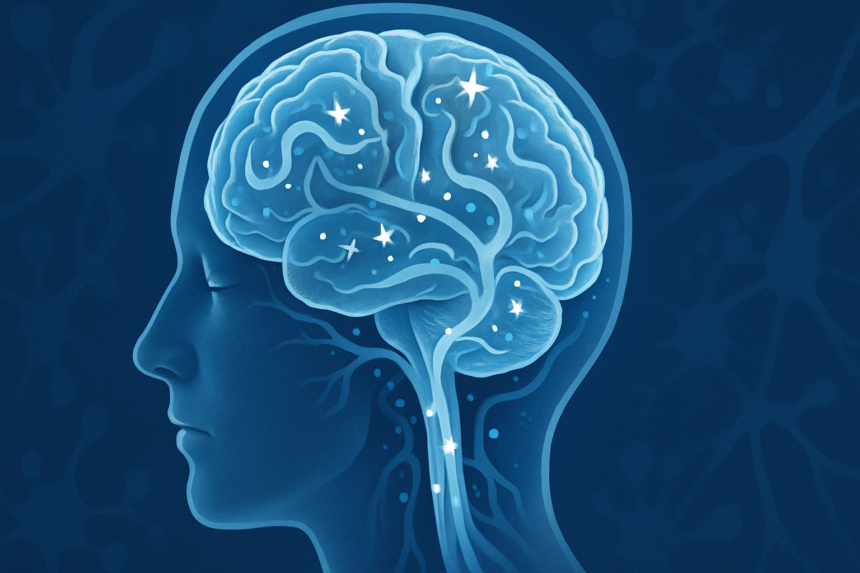
Researchers have identified a sophisticated biological mechanism that protects the brain from toxic protein accumulation throughout life. The glymphatic system, working in concert with astrocytes and specialized immune cells, continuously removes metabolic debris and harmful proteins such as amyloid plaques and tau—key contributors to neurodegenerative diseases like Alzheimer’s.
This waste removal process operates through precise fluid dynamics involving cerebrospinal fluid flow alongside blood vessels. According to findings published in Communications Biology, the system’s efficiency fluctuates significantly with sleep patterns and vascular health. During sleep phases, brain cells shrink to create wider channels for fluid circulation, enabling optimal clearance.
The research underscores why chronic sleep deprivation correlates with increased neurodegeneration risk. As aging progresses and vascular function declines, glymphatic efficiency diminishes, potentially leading to toxic protein buildup. Understanding this mechanism opens new avenues for therapeutic interventions to enhance the brain’s natural defense system.
Read the full article on GMJ Newsroom.

Was this article helpful?