
By using this site, you agree to the Privacy Policy and Terms of Use.
Accept
GMJ NewsGMJ NewsGMJ News
  • Latest News
    • GMJ Briefs
  • Podcast & Media
    • Podcast Episodes
    • GMJ Audio
    • GMJ Videos
  • Research Digest
    • New Studies
    • Georgian Research
    • Data & Numbers
  • Policy & Systems
    • Health Policy
    • Quality & Safety
    • Migration & Health
    • Global Health
  • Practice
    • Clinical Updates
    • Case Discussions
    • Pharmacy & Prescribing
    • Ingredients A-Z
  • Perspectives
    • Editorial
    • Explainers
    • Voices
    • Letters
  • Health Topics
  • GMJ Articles
    • Vol. 1 Issue 2 (2026)
    • Vol. 1 Issue 1 (2026)
    • Pre-Launch Articles (2025)
  • Read the Journal →
  • About GMJ News
Notification Show More
Font ResizerAa
GMJ NewsGMJ News
Font ResizerAa
  • Latest News
    • GMJ Briefs
  • Podcast & Media
    • Podcast Episodes
    • GMJ Audio
    • GMJ Videos
  • Research Digest
    • New Studies
    • Georgian Research
    • Data & Numbers
  • Policy & Systems
    • Health Policy
    • Quality & Safety
    • Migration & Health
    • Global Health
  • Practice
    • Clinical Updates
    • Case Discussions
    • Pharmacy & Prescribing
    • Ingredients A-Z
  • Perspectives
    • Editorial
    • Explainers
    • Voices
    • Letters
  • Health Topics
  • GMJ Articles
    • Vol. 1 Issue 2 (2026)
    • Vol. 1 Issue 1 (2026)
    • Pre-Launch Articles (2025)
  • Read the Journal →
  • About GMJ News
Follow US
GMJ News > GMJ Briefs > Three Critical Findings Surgeons Need to Know About Tranexamic Acid

Three Critical Findings Surgeons Need to Know About Tranexamic Acid

GMJ
Last updated: 03/08/2026 08:43
By
Prof. Giorgi Pkhakadze
Share
1 Min Read
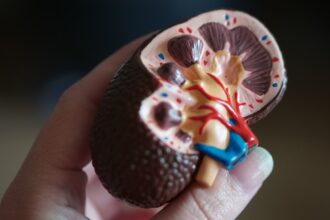
Medical illustration showing surgical bleeding reduction with tranexamic acid treatment
International TRACTION trial demonstrates 30% reduction in major surgical bleeding with tranexamic acid. Study of 9,535 patients across 29 countries shows consistent benefits without increased clotting risks. — Photo by www.kaboompics.com on Pexels (Pexels License)
SHARE
1 min read|136 words

The TRACTION trial establishes three essential clinical insights for surgical teams. First, tranexamic acid delivers a robust 30% reduction in major bleeding events—a meaningful improvement in patient safety. Second, contrary to theoretical concerns, the drug showed no increase in blood clot formation, addressing a key safety question that has surrounded antifibrinolytic therapy. Third, benefits remain consistent across diverse surgical specialties including cardiac, orthopedic, and abdominal procedures, indicating broad applicability.

These findings have immediate practical implications for surgical practice. The intervention is simple to implement, low-cost, and supported by evidence from over 9,500 patients across 29 countries. Healthcare providers can confidently incorporate tranexamic acid into protocols for high-risk surgical patients without concern for thrombotic complications, potentially preventing thousands of serious bleeding complications annually while improving overall surgical outcomes and reducing transfusion requirements.

Read the full article on GMJ Newsroom.

Was this article helpful?
GMJ Brief · Takeaway

📰 Read the full article: Major Surgery Study Shows Tranexamic Acid Cuts Blood Loss by 30% in Complex Operations →

Share This Article
Facebook LinkedIn Bluesky Copy Link Print
GMJ
ByProf. Giorgi Pkhakadze
Follow:
Prof. Giorgi Pkhakadze, MD, MPH, PhD, is Editor-in-Chief of the Georgian Medical Journal and Chair of the Public Health Institute of Georgia (PHIG). He is Professor and Head of the Department of Social and Behavioural Sciences at David Tvildiani Medical University, and Secretary/Treasurer of the UEMS Section of Public Health. ORCID: 0000-0001-7609-4515.

Submit Your Paper →

Georgia's peer-reviewed open-access medical journal. No APC until January 2027.
Submit Manuscript →
Cat Scratch Disease Returns: What Clinicians and Patients Need to Know

Cat scratch disease, caused by Bartonella henselae, presents with varied clinical manifestations…

Mechanism of chemotherapy resistance in ovarian cancer identified—and reversible

Michigan State University researchers have identified a protein mechanism that confers chemotherapy…

Mobile HPV screening aboard river ships reaches cervical cancer care to remote Amazon communities

A mobile point-of-care HPV screening and treatment strategy delivered by river vessels…

Submit Your Paper to GMJ

No APC until January 2027.
Submit Manuscript →

You Might Also Like

Medical illustration showing kidney and heart protection with finerenone treatment

What Clinicians Should Know: Finerenone’s Role in Non-Diabetic Kidney Disease Management

By
Prof. Giorgi Pkhakadze
15/07/2026
Restaurant menu with warning label highlighting high-sugar items

Three Key Findings on Restaurant Menu Warnings: What Healthcare Providers Should Know

By
Prof. Giorgi Pkhakadze
18/07/2026
Scientific illustration of vitamin K molecules and neural stem cells in the brain

Enhanced Vitamin K Compounds Show 3x Greater Neural Regeneration Efficacy in Japanese Study

By
Prof. Giorgi Pkhakadze
22/07/2026
Health PolicyPolicy & Systems

Senate Health Committee Advances Trump Nominees for CDC Director and Pandemic Preparedness Chief

By
Prof. Giorgi Pkhakadze
31/07/2026
Facebook Twitter Youtube Instagram
Company
  • Privacy Policy
  • Contact US
  • GMJ Journal
  • Submit Manuscript
  • Editorial Team
  • Register at GMJ
  • Terms of Use

Subscribe to GMJ News — Click here

Join Community
© 2026 Georgian Medical Journal (GMJ). Published by the Public Health Institute of Georgia (PHIG). All rights reserved.
Welcome Back!

Sign in to your account

Username or Email Address
Password

Lost your password?

Not a member? Sign Up