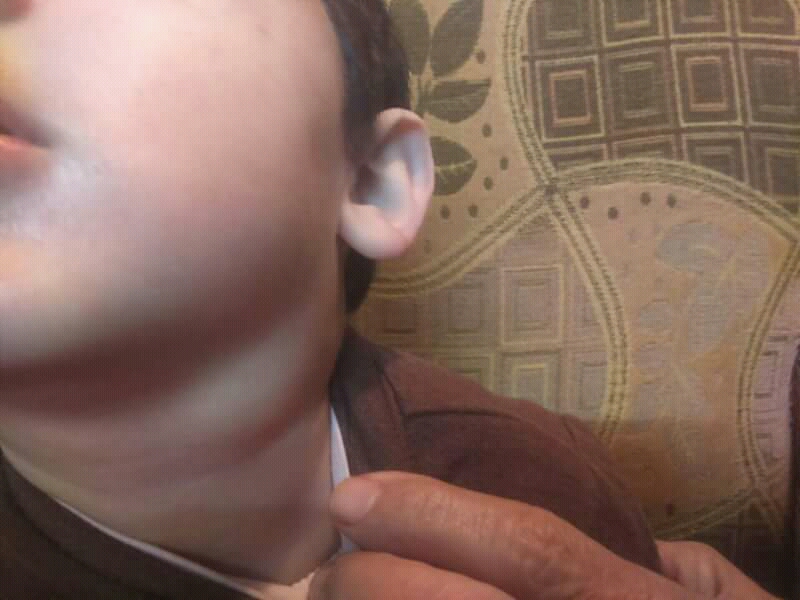
Effective management of cat scratch disease requires a multifaceted approach grounded in clinical experience and epidemiological data. First, most localized infections resolve spontaneously within 2–3 months without intervention, yet systemic manifestations—including hepatomegaly and neurological involvement—necessitate azithromycin therapy as the first-line antibiotic. Second, diagnosis depends critically on clinical suspicion informed by detailed cat exposure history, supported by serological testing and histopathology when indicated. PCR and culture remain rarely utilized in routine practice. Third, prevention through flea control in cats, prompt wound care following scratches or bites, and regular handwashing significantly reduces transmission risk and protects vulnerable populations. Clinicians should educate patients and caregivers on these preventive measures, particularly those with immunocompromised status or frequent feline contact.
Was this article helpful?