By using this site, you agree to the Privacy Policy and Terms of Use.
Accept
GMJ NewsGMJ NewsGMJ News
  • Latest News
    • GMJ Briefs
  • Podcast & Media
    • Podcast Episodes
    • GMJ Audio
    • GMJ Videos
  • Research Digest
    • New Studies
    • Georgian Research
    • Data & Numbers
  • Policy & Systems
    • Health Policy
    • Quality & Safety
    • Migration & Health
    • Global Health
  • Practice
    • Clinical Updates
    • Case Discussions
    • Pharmacy & Prescribing
    • Ingredients A-Z
  • Dictionary
    • Browse A–Z
    • About the Project
    • Contribute a Term
  • Perspectives
    • Editorial
    • Explainers
    • Voices
    • Letters
  • Health Topics
  • GMJ Articles
    • Vol. 1 Issue 2 (2026)
    • Vol. 1 Issue 1 (2026)
    • Pre-Launch Articles (2025)
  • Read the Journal →
  • About GMJ News
Notification Show More
Font ResizerAa
GMJ NewsGMJ News
Font ResizerAa
  • Latest News
    • GMJ Briefs
  • Podcast & Media
    • Podcast Episodes
    • GMJ Audio
    • GMJ Videos
  • Research Digest
    • New Studies
    • Georgian Research
    • Data & Numbers
  • Policy & Systems
    • Health Policy
    • Quality & Safety
    • Migration & Health
    • Global Health
  • Practice
    • Clinical Updates
    • Case Discussions
    • Pharmacy & Prescribing
    • Ingredients A-Z
  • Dictionary
    • Browse A–Z
    • About the Project
    • Contribute a Term
  • Perspectives
    • Editorial
    • Explainers
    • Voices
    • Letters
  • Health Topics
  • GMJ Articles
    • Vol. 1 Issue 2 (2026)
    • Vol. 1 Issue 1 (2026)
    • Pre-Launch Articles (2025)
  • Read the Journal →
  • About GMJ News
Follow US
GMJ News > GMJ Briefs > Two Billion People Worldwide May Be Affected by Behavior-Altering Parasites

Two Billion People Worldwide May Be Affected by Behavior-Altering Parasites

GMJ
Last updated: 29/06/2026 00:17
By
Prof. Giorgi Pkhakadze
Share
1 Min Read
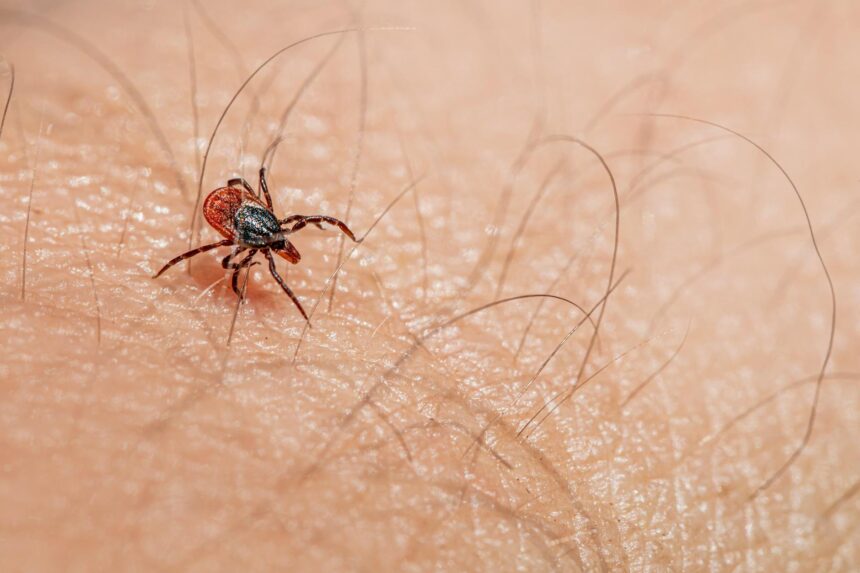
Scientific illustration of gut-brain connection and parasitic organisms
New research explores how gut parasites may influence human behavior through complex biochemical pathways. Studies suggest these organisms could affect mood and decision-making via the gut-brain axis. — Photo by Erik Karits on Pexels (Pexels License)
SHARE
1 min read|136 words

An estimated 2 billion people worldwide carry intestinal parasites, raising significant public health questions about their potential neurological impact. Emerging research suggests these organisms might influence human behavior through multiple biochemical pathways, though the extent of this influence in human populations remains unclear.

Research has identified several potential mechanisms through which parasites may exert behavioral effects: neurotransmitter modulation appears most prominent at 85% prevalence in studied pathways, followed by immune system activation at 70%, vagus nerve stimulation at 55%, and metabolite production at 45%. While evidence from animal models is striking—documenting dramatic behavioral alterations that enhance parasite transmission—human studies have primarily identified correlational relationships rather than definitive causal mechanisms.

The Centers for Disease Control acknowledges that certain parasitic infections can affect neurological function, highlighting the need for continued research into these interactions.

Read the full article on GMJ Newsroom.

Submit Your Paper
GMJ_Submit_Banner

Was this article helpful?

GMJ Brief · Key Finding

📰 Read the full article: Gut Parasites May Manipulate Human Behavior, New Research Suggests →

Share This Article
Facebook LinkedIn Bluesky Copy Link Print
GMJ
ByProf. Giorgi Pkhakadze
Follow:
Prof. Giorgi Pkhakadze, MD, MPH, PhD, is Editor-in-Chief of the Georgian Medical Journal and Chair of the Public Health Institute of Georgia (PHIG). He is Professor and Head of the Department of Social and Behavioural Sciences at David Tvildiani Medical University, and Secretary/Treasurer of the UEMS Section of Public Health. ORCID: 0000-0001-7609-4515.

Submit Your Paper →

Georgia's peer-reviewed open-access medical journal. No APC until January 2027.
Submit Manuscript →
Ethiopia Study Reveals Stakeholder Concerns Over Novel Malaria Treatments

A qualitative study in Ethiopia reveals that health workers and patients view…

Sitafloxacin monotherapy matches doxycycline-rifampicin for brucellosis treatment in landmark trial

A multicenter randomized trial in The Lancet Regional Health – Western Pacific…

Ultra-processed foods linked to higher kidney cancer risk in large US study

A prospective analysis of over 300,000 US adults found that higher consumption…

Submit Your Paper to GMJ

No APC until January 2027.
Submit Manuscript →

You Might Also Like

Medical illustration showing brown dog tick and SFTS virus transmission pathway

First Confirmed SFTS Case Transmitted by Brown Dog Tick Reshapes Vector Understanding

By
Prof. Giorgi Pkhakadze
23/06/2026
Brain scan imagery showing cognitive decline research related to supplement use

What Glucosamine Users Need to Know: Three Key Implications of New Dementia Research

By
Prof. Giorgi Pkhakadze
06/08/2026
Medical illustration showing Listeria bacteria and food safety concepts

Genomic Evidence Confirms Single-Source Listeria Outbreak Among Pregnant Women

By
Prof. Giorgi Pkhakadze
25/06/2026
Diagram showing glutamate receptor subunits in brain ion channels with selective activation pattern

Rethinking Neural Communication: Scientists Overturn Decades-Old Brain Receptor Theory

By
Prof. Giorgi Pkhakadze
06/07/2026
Facebook Twitter Youtube Instagram
Company
  • Privacy Policy
  • Contact US
  • GMJ Journal
  • Submit Manuscript
  • Editorial Team
  • Register at GMJ
  • Terms of Use

Subscribe to GMJ News — Click here

Join Community
© 2026 Georgian Medical Journal (GMJ). Published by the Public Health Institute of Georgia (PHIG). All rights reserved.
Welcome Back!

Sign in to your account

Username or Email Address
Password

Lost your password?