


New Studies
Major findings from Lancet, BMJ, NEJM, JAMA, and other leading journals
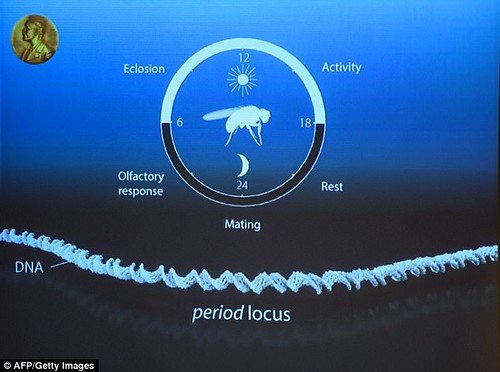
The Brain’s Master Clock: How the Circadian System Controls Sleep, Hunger, and Metabolism
The suprachiasmatic nucleus, a rice-grain-sized brain structure, acts as your body's master clock, orchestrating 24-hour rhythms of sleep, hunger, metabolism,…
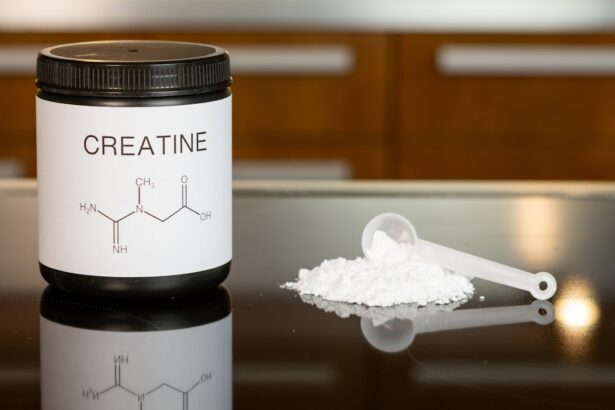
Creatine for Brain Health: What the Evidence Actually Shows
Creatine's muscle-building effects are supported by robust evidence, but cognitive claims rest on a weaker, population-specific foundation. A comprehensive literature…


Daily Peanut Consumption Reverses a Decade of Age-Related Brain Blood Flow Decline
Consuming 60 grams of skin-roasted peanuts daily improved cerebral blood flow by 4% in older…

Cancer Burden from Preventable Risk Factors Quantified in Landmark Global Study
A global analysis in Nature Medicine quantifies cancer burden from preventable risk factors across regions,…

Protein Source and Meal Timing May Matter Less for Muscle Growth Than Assumed
A randomized controlled trial challenges two core beliefs in sports nutrition: that animal protein is…

Lean protein outperforms high-fat sources for muscle growth after exercise, new trial shows
Lean protein sources stimulate muscle growth 47% more effectively than high-fat sources with identical protein…

How Modern Diets Damage the Gut Barrier and Drive Chronic Disease
High-fat, low-fibre diets, food additives, and irregular eating patterns damage the gut barrier through three…