


New Studies
Major findings from Lancet, BMJ, NEJM, JAMA, and other leading journals

Astaxanthin and Mitochondria: What Aging Research Actually Shows
From membrane-spanning antioxidant chemistry to lifespan extension in model organisms and selection for the NIA's rigorous Interventions Testing Program —…
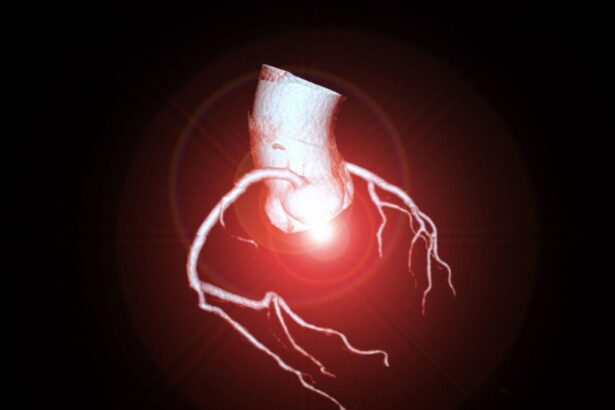
CoQ10 Declines With Age: The Cellular Energy Story
Tissue CoQ10 falls substantially from early adulthood — in the heart by around 40% by later life — while statins…

How Diet Shapes Your Gut Microbiome—and Why It Matters for Health
Food functions as a biological intervention that reshapes your gut microbiome, directly controlling inflammation, glucose…

Vitamin K’s Hidden Hierarchy: Why Your Body Prioritises Blood Clotting Over Bone Health
Current vitamin K dietary guidelines prioritise blood clotting at the expense of bone and arterial…

Organs Age Independently: Stanford Study Shows Brain and Immune System Drive Lifespan Risk
Stanford researchers measured plasma proteins in 44,498 people and built separate aging clocks for 11…
PQQ Shows Consistent Benefits for Inflammation, Energy, and Memory in Human Trials
Pyrroloquinoline quinone (PQQ), a naturally occurring micronutrient, shows consistent improvements in inflammatory markers, mitochondrial energy…

Matcha vs Steeped Green Tea: Why Preparation Chemistry Matters More Than the Leaf
Matcha and steeped green tea contain the same plant but differ fundamentally in chemistry due…