


New Studies
Major findings from Lancet, BMJ, NEJM, JAMA, and other leading journals

Astaxanthin and Mitochondria: What Aging Research Actually Shows
From membrane-spanning antioxidant chemistry to lifespan extension in model organisms and selection for the NIA's rigorous Interventions Testing Program —…
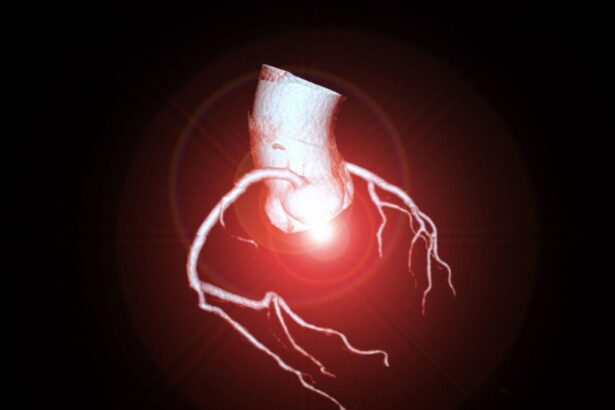
CoQ10 Declines With Age: The Cellular Energy Story
Tissue CoQ10 falls substantially from early adulthood — in the heart by around 40% by later life — while statins…
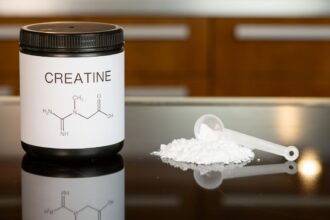

How Vitamins and Minerals Power Brain Chemistry: The Neurotransmitter Connection
Vitamins B6, B12, folate, and minerals including zinc, magnesium, and iron function as essential cofactors…
Beyond Neurons: How Brain’s Supporting Cells Drive Inflammation and Cognitive Resilience
The brain's health depends on more than neurons alone. A complex cellular ecosystem—astrocytes, microglia, and…

Brain’s Support Cells Hold Key to Mental Health: How Astrocytes, Microglia, and Oligodendrocytes Shape Resilience
The human brain is far more than neurons alone. Astrocytes, microglia, and oligodendrocytes form a…

Apigenin Shows Promise in Lab Studies, But Human Evidence Remains Elusive
Apigenin, a plant compound featured in sleep and longevity supplements, has demonstrated activity at multiple…
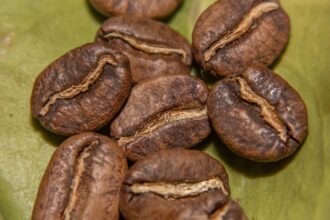
Light roast coffee retains highest chlorogenic acid levels, study shows
Light roast coffee preserves 8.0 mg/g of chlorogenic acids compared to 4.35 mg/g in dark…