
🟠 Moderate Evidence
A newly identified immune profile present on intensive care unit (ICU) admission could help clinicians predict which trauma patients will develop chronic critical illness (CCI), a disabling condition marked by prolonged dependency on mechanical ventilation or other life support. The findings, published in The Journal of Immunology, suggest that earlier recognition of at-risk patients could enable timely intervention and reduce ICU length of stay.
Key takeaways
- A distinct immune biomarker profile can identify trauma patients at risk of chronic critical illness on ICU admission
- Early identification could enable targeted interventions to reduce ICU stay duration and improve patient outcomes
- The biomarkers reflect an altered immune response pattern specific to patients who develop prolonged critical illness
Study at a Glance
| Source | The Journal of Immunology |
| Study type | Observational cohort study |
| Population | Trauma patients admitted to ICU |
| Key measure | Immune biomarker profiles on ICU admission |
| Outcome | Development of chronic critical illness |
Immune Biomarkers and Chronic Critical Illness Risk
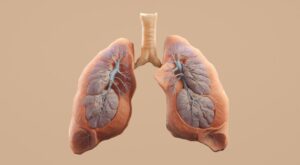
Schematic representation of biomarker-identified risk stratification in trauma ICU patients
Source: The Journal of Immunology, 2026 | Georgian Medical Journal News

Understanding Chronic Critical Illness in Trauma Patients
Chronic critical illness represents a severe post-acute condition affecting trauma patients who fail to wean from mechanical ventilation or other intensive life support despite medical and surgical management. These patients often experience prolonged ICU stays, increased infection risk, physical deconditioning, and long-term psychological complications. Recognition of CCI as a distinct clinical entity has grown over the past two decades, yet clinicians have lacked reliable early predictors to guide targeted intervention strategies.
The immune system’s response to severe trauma directly influences recovery trajectories. Previous research published in Critical Care Medicine has documented that dysregulated inflammatory and immunological responses contribute to prolonged critical illness. Understanding which patients harbour these pathological immune signatures at admission could allow for precision-based management approaches.
Biomarker Identification and Clinical Application
The research team identified specific immune biomarkers present in peripheral blood samples obtained from trauma patients upon ICU admission that distinguish those at elevated risk for developing CCI. These biomarkers reflect an altered immune phenotype characterised by distinct patterns of immune cell activation and inflammatory mediator production. According to immunological research standards, such profiling enables early risk stratification before clinical deterioration becomes apparent.
The clinical utility of this biomarker panel lies in its measurement on ICU admission—a critical time window when intervention efficacy is typically highest. Early recognition allows clinicians to implement targeted clinical strategies including enhanced rehabilitation protocols, nutritional optimisation, and immune-modulating therapies tailored to individual risk profiles. This precision approach contrasts with standard one-size-fits-all critical care management.
Implications for ICU Management and Patient Outcomes
The ability to predict CCI development on admission has cascading implications for resource allocation and patient counselling. High-risk patients identified through biomarker profiling could receive intensified multidisciplinary interventions—including early mobilisation, targeted nutritional support, psychological support, and specialist rehabilitation consultation—potentially shortening ICU dependency and reducing associated complications. Studies in The Lancet have demonstrated that early, structured intervention in at-risk critical care patients reduces mortality and improves functional recovery.
Additionally, biomarker-guided identification enables more accurate prognostication conversations with families and supports shared decision-making regarding intensity of care. For healthcare systems, earlier recognition and targeted intervention in CCI-risk patients could reduce prolonged ICU stays, thereby improving bed availability and reducing per-patient critical care costs—benefits documented in health economics literature.
A distinct immune biomarker profile present on ICU admission can identify trauma patients at elevated risk for chronic critical illness, enabling early targeted interventions that may reduce ICU length of stay and improve patient outcomes.
— The Journal of Immunology, 2026
What this means
Frequently asked questions
What exactly is chronic critical illness?
Chronic critical illness is a severe condition affecting patients who remain dependent on mechanical ventilation, renal replacement therapy, or other organ support despite weeks of intensive medical and surgical care. Unlike typical critical illness that resolves within days to weeks, CCI persists for months and carries high mortality and long-term disability rates, as documented by the Society of Critical Care Medicine.
How are these biomarkers measured in clinical practice?
The biomarkers are identified through immune cell profiling and inflammatory mediator analysis from routine blood samples obtained at ICU admission. Flow cytometry and multiplex cytokine assays—standard laboratory techniques available in most large medical centres—can measure these immune parameters, making clinical translation feasible for trauma centres.
What interventions might be recommended for high-risk patients?
Patients identified as high-risk for CCI through biomarker profiling may benefit from early mobilisation protocols, intensive nutritional support, psychological counselling, specialist rehabilitation referral, and potentially immune-modulating therapies. Evidence for such bundled approaches is mounting in clinical guidelines, though individualised protocols should be developed with the multidisciplinary ICU team.
As trauma centres increasingly adopt precision medicine frameworks, immune biomarker profiling at ICU admission represents a practical, evidence-based tool for identifying patients at highest risk of chronic critical illness. Prospective validation studies and health economic analyses in diverse trauma populations will be essential to establish clinical protocols and integrate this approach into routine ICU care pathways globally.
Source: Biomarkers could help identify ICU patients at risk of chronic critical illness
Was this article helpful?
Disclaimer. This article is health journalism intended for general information and education. It is not medical advice and is not a substitute for professional diagnosis or treatment. Always consult a qualified healthcare provider about your individual circumstances. Full disclaimer →
Related Coverage



Editorial standards. This article was produced under the GMJ News editorial process, with oversight by the GMJ Editorial Board. Our editorial process. Spotted an error? Contact the editorial team.