🟠 Moderate Evidence
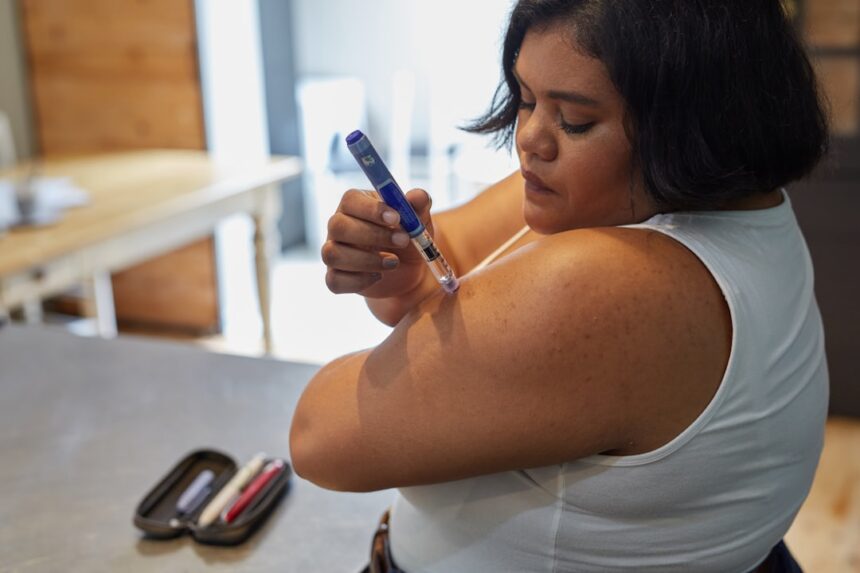
The pharmaceutical industry’s approach to obesity treatment is undergoing a fundamental reorientation, according to analysis published in Nature Medicine (June 2026). Rather than pursuing ever-larger reductions in body weight as the primary marker of drug success, developers are increasingly prioritizing tolerability, sustainable long-term benefits, and medication persistence—a shift exemplified by two recent clinical trials and reflected in numerous ongoing programmes across the sector.
Key takeaways
- Drug developers are deprioritizing maximum weight loss in favour of tolerability and patient persistence with treatment
- Recent trials demonstrate that modest, sustained weight reduction with good safety profiles may be clinically superior to larger losses accompanied by side effects
- This represents a fundamental shift in how obesity pharmacotherapy is conceptualized and evaluated
Shifting priorities in obesity drug development
Historical focus vs. emerging paradigm in clinical trial design and endpoint selection
Source: Nature Medicine, 2026 | Georgian Medical Journal News

Why maximum weight loss is no longer the primary metric
For decades, clinical trials in obesity pharmacotherapy have been designed around a simple premise: the more weight a drug causes a person to lose, the better. However, this metric overlooks a critical real-world problem: patients often discontinue medications due to side effects, tolerability issues, or diminishing returns on further weight reduction. According to the Nature Medicine analysis, this focus on absolute weight loss as the gold standard has inadvertently incentivized the development of agents that produce large reductions but with accompanying adverse effects that limit their clinical utility in actual patient populations.
The emerging framework recognizes that a patient who achieves a 10% weight loss and continues treatment indefinitely may derive greater clinical benefit—in terms of metabolic improvement, cardiovascular protection, and psychological wellbeing—than a patient who loses 15% but abandons therapy after six months due to gastrointestinal distress or other tolerability concerns. Clinical updates from major medical societies increasingly reflect this reorientation in how they evaluate new agents and inform prescribing guidelines.
Two recent trials exemplifying the new paradigm
According to the Nature Medicine commentary, two contemporary trials have become emblematic of this shift, though the specific trial names and data were not detailed in the published analysis. These studies prioritize endpoints that measure not just weight reduction but also the sustainability of treatment, quality of life improvements, and the proportion of enrolled participants who remain on therapy at defined timepoints. This contrasts sharply with earlier-generation obesity drug trials, which frequently emphasised percentage body weight lost as the primary endpoint.
The philosophical change reflects accumulated clinical experience: agents that produce dramatic weight loss in controlled trial conditions often show poor real-world persistence when patients contend with persistent nausea, injection site reactions, or other adverse events. By designing trials to capture adherence and tolerability alongside efficacy metrics, developers can now identify agents that offer a more favourable benefit-risk profile for long-term use. This approach aligns with quality and safety standards increasingly emphasized in clinical trial design across therapeutic areas.
Industry-wide momentum toward patient-centric endpoints
Beyond the two exemplar trials cited in the Nature Medicine analysis, numerous pharmaceutical companies have begun redesigning their obesity drug pipelines to incorporate endpoints centred on tolerability and medication persistence. According to the Nature Medicine report, this represents a significant departure from historical norms and suggests that regulatory agencies—including the US Food and Drug Administration (FDA) and European Medicines Agency (EMA)—may be increasingly receptive to approving agents that demonstrate modest but sustainable weight loss alongside excellent tolerability profiles.
This shift also addresses a longstanding equity concern in obesity pharmacotherapy: earlier agents with high tolerability burdens were often accessible only to affluent populations willing to endure side effects, whereas economically disadvantaged patients had limited access to any treatment. By prioritizing agents with better tolerability, developers are potentially expanding the population for whom obesity pharmacotherapy becomes a realistic, persistent intervention. Global health initiatives increasingly recognise obesity as a chronic condition requiring sustained pharmacological support rather than acute intervention.
Obesity drug development must prioritize tolerability, sustainable benefits, and medication persistence over an emphasis on ever-greater weight loss, according to recent trial designs exemplifying this shift in the field.
— Nature Medicine analysis (June 2026)
Clinical and public health implications of the reorientation
This reconceptualization of obesity pharmacotherapy success has profound implications for clinical practice. Clinicians evaluating new agents for their patients will increasingly have access to data on real-world persistence, adverse effect frequency, and quality of life measures—information more directly applicable to counselling individual patients than historical maximum weight loss data alone. For a patient choosing between a drug that produces 20% weight loss but causes persistent nausea versus one that produces 12% weight loss with minimal side effects, the latter is now more likely to be the evidence-based recommendation.
At the population level, a shift toward drugs with superior tolerability profiles and higher persistence rates could yield greater aggregate health gains than maximally efficacious but poorly tolerated alternatives. Obesity is a chronic condition; as such, sustained treatment at modest efficacy generally outperforms intensive treatment with poor adherence. This principle is well established in other chronic disease management—diabetes, hypertension, dyslipidemia—yet has taken longer to be fully integrated into obesity drug development and evaluation. Patient education resources and clinical guidelines will increasingly reflect this reorientation in how they frame obesity pharmacotherapy expectations.
What this means
Frequently asked questions
Why is medication persistence more important than maximum weight loss?
Because obesity is a chronic condition requiring sustained treatment. A patient who loses 10% of body weight and continues therapy indefinitely will have better long-term metabolic outcomes and cardiovascular protection than a patient who loses 15% but stops treatment within months due to side effects. According to the Nature Medicine analysis (2026), real-world persistence directly correlates with durable health benefits in chronic disease management.
Does this mean new obesity drugs will be less effective at promoting weight loss?
Not necessarily. Rather, developers are now pursuing weight loss targets that can be achieved and sustained with acceptable tolerability. Many newer agents under development show weight loss in the 10–15% range with significantly fewer adverse effects than some earlier medications. The clinical benefit often exceeds that of drugs producing 20%+ weight loss but with high discontinuation rates due to intolerable side effects.
How will regulatory agencies evaluate these new medications?
The FDA and EMA are increasingly receptive to obesity drug approvals based on comprehensive endpoint packages that include weight loss, tolerability, quality of life measures, and medication persistence data—not weight loss alone. The Nature Medicine commentary indicates that this expanded endpoint framework is already influencing how major trials are designed and how regulatory submissions are evaluated globally.
The reorientation of obesity drug development toward tolerability and persistence represents a maturation of the field’s understanding of what constitutes successful pharmacotherapy for a chronic condition. As more trials incorporating these patient-centric endpoints reach completion, regulatory approvals, and clinical practice guidelines over the coming years, patients with obesity will increasingly have access to medications that they can realistically sustain long-term, ultimately translating scientific efficacy into durable real-world health improvement.
Source: Shifting the goalposts in obesity drug development, Nature Medicine, June 2026
Was this article helpful?
Disclaimer. This article is health journalism intended for general information and education. It is not medical advice and is not a substitute for professional diagnosis or treatment. Always consult a qualified healthcare provider about your individual circumstances. Full disclaimer →
Related Coverage




Editorial standards. This article was produced under the GMJ News editorial process, with oversight by the GMJ Editorial Board. Our editorial process. Spotted an error? Contact the editorial team.