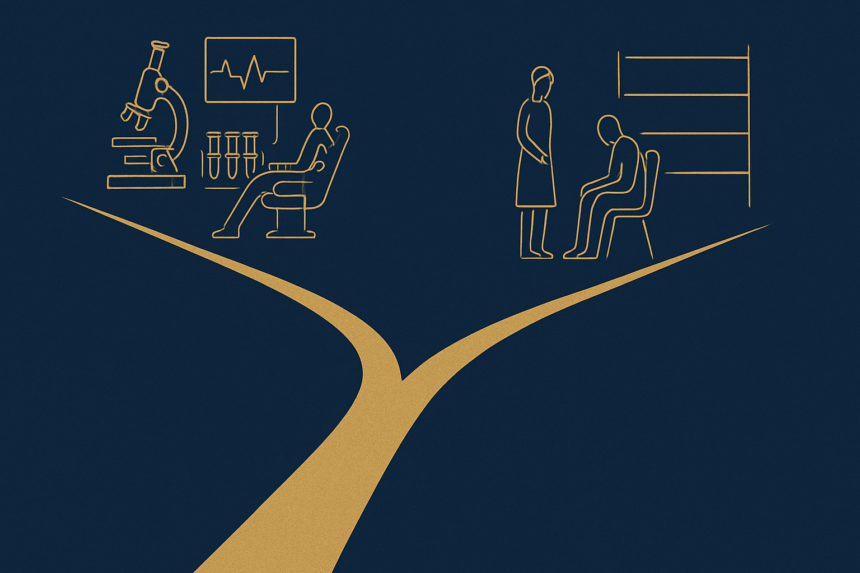
The FDA clearance of a rapid urine-based diagnostic test for invasive aspergillosis represents genuine scientific progress. Within hours rather than days, clinicians can now identify a pathogen that kills approximately 40% of those it infects—a mortality rate that rivals many cancers. For patients in intensive care units, hematology wards, and transplant centers across wealthy nations, this represents a tangible victory for precision medicine and rapid microbial diagnostics.
Yet I write this editorial with cautious ambivalence, not celebration.
Invasive aspergillosis is not a disease of the wealthy world alone. Aspergillus fumigatus, the causative agent, is ubiquitous—present in soil and decaying organic matter on every continent. The immunocompromised populations most vulnerable to invasive disease exist everywhere: in refugee camps and shantytown clinics, in under-resourced tuberculosis programs and malaria-endemic regions where HIV prevalence remains high. A Kenyan child with acute leukemia, a Bangladeshi adult with uncontrolled diabetes and recurrent infections, a Venezuelan patient with advanced AIDS—all face identical microbiological risk.
Yet they will not access this test.
This is not speculation. We have watched this pattern repeat across three decades of diagnostic innovation. When rapid malaria RDTs emerged in the 1990s, they transformed case management in sub-Saharan Africa—but only after years of parallel implementation efforts, donor funding mechanisms, and supply-chain development specifically designed for low-income settings. The same occurred with tuberculosis GeneXpert MTB/RIF: a transformative technology whose global reach required deliberate, expensive, and politically sustained commitment beyond the initial FDA approval.
A urine-based aspergillosis test has inherent advantages for deployment in resource-limited settings. Unlike blood cultures or invasive respiratory sampling, urine collection requires no specialized training, no laboratory equipment, and minimal biosafety infrastructure. The pre-analytical phase—historically a bottleneck in diagnostics for low-income countries—is simplified. On paper, this test is more equitable by design than many alternatives.
Yet design advantage alone does not guarantee access.
Three structural barriers loom immediately:
First, diagnostic infrastructure. Rapid tests require platforms. This particular assay requires specific analyzers or detection systems. Even point-of-care tests demand electricity, quality control supplies, and maintenance contracts. In many rural and periurban settings across Africa and South Asia, these prerequisites simply do not exist. A test that cannot be performed is merely an expensive concept.
Second, clinical integration. A rapid diagnostic is worthless if clinicians lack antifungal agents to act on its results. Amphotericin B formulations—the first-line therapy for invasive aspergillosis—remain scarce and prohibitively expensive in most low-income countries. A positive test result in a setting without access to treatment is cruel information, not clinical progress.
Third, and most fundamental: market forces. The pharmaceutical and diagnostic industry operates on profit margins. A test marketed primarily to wealthy hospitals in North America and Europe will be priced accordingly. Without explicit commitment to tiered pricing, technology transfer agreements, or public financing mechanisms, this innovation will remain geographically confined to the populations already receiving world-class care.
I do not blame the developers or the FDA. The clearance process operates within its mandate: to assure safety and efficacy for the intended population and use. But we—the global medical community—must immediately ask harder questions.
Will professional societies develop implementation guidance for resource-limited settings? Will manufacturers commit to affordable licensing or technology transfer to manufacturers in middle-income countries? Will global health funders—whether GAVI, Gates Foundation, UNITAID, or bilateral donors—prioritize aspergillosis diagnostics in their portfolios? Will ministries of health in endemic regions demand this tool as part of national cancer, HIV, and transplant programs?
The answers to these questions will determine whether this FDA clearance becomes a global health asset or merely another innovation that enriches diagnostics for the already well-served.
Rapid diagnostics for life-threatening infections are not luxuries. They are essential tools in the fight against preventable mortality. But tools require infrastructure, access, and will. The test is ready. Now our commitment to equitable global health must catch up.
The disease does not respect borders. Neither should our solutions.
Was this article helpful?
Disclaimer. This article is health journalism intended for general information and education. It is not medical advice and is not a substitute for professional diagnosis or treatment. Always consult a qualified healthcare provider about your individual circumstances. Full disclaimer →
Related Coverage




Editorial standards. This article was produced under the GMJ News editorial process, with oversight by the GMJ Editorial Board. Our editorial process. Spotted an error? Contact the editorial team.