Updated 13/09/2026
🟡 Preliminary Evidence
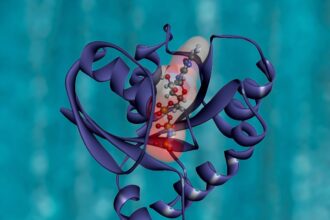
Researchers have identified a previously unknown cellular mechanism driving Alzheimer’s disease and developed an experimental compound that targets this process. The study, conducted in mouse models, demonstrated that blocking this pathway slowed neuronal loss and reduced characteristic Alzheimer’s pathology, according to findings published on Science Daily.
Key takeaways
- Scientists discovered a novel cellular mechanism contributing to Alzheimer’s disease progression
- An experimental drug compound successfully blocked this damaging process in preclinical studies
- Treatment showed neuroprotective effects and may promote healthier brain aging in mice
Study at a Glance
| Source | Science Daily Research Report |
| Study type | Preclinical animal study |
| Model | Mouse models of Alzheimer’s disease |
| Population | Laboratory mice with Alzheimer’s pathology |
| Country | Not specified in report |
Alzheimer’s Disease Research Approach
Key stages from target identification to preclinical validation

Source: Research Process | Georgian Medical Journal News
Novel Cellular Mechanism Identified
The research team discovered a specific cellular process that contributes to the neurodegeneration characteristic of Alzheimer’s disease. This mechanism operates independently of the well-studied amyloid and tau pathways that have been the focus of most previous drug development efforts.
The identification of this alternative pathway represents a significant advance in understanding Alzheimer’s pathophysiology. Previous therapeutic approaches targeting amyloid plaques and tau tangles have shown limited clinical success, making alternative targets increasingly important for the field.
Experimental Compound Shows Protective Effects
Researchers developed an experimental drug compound specifically designed to block the newly identified cellular mechanism. When administered to mouse models of Alzheimer’s disease, the treatment demonstrated multiple beneficial effects on brain health and disease progression.
The compound successfully slowed the loss of nerve cells, a hallmark of Alzheimer’s progression. Additionally, mice receiving the treatment showed reduced levels of Alzheimer’s-related pathological changes in their brain tissue compared to untreated controls.
For more insights on emerging research findings, our database tracks the latest developments in neurodegeneration studies.
Implications for Healthy Brain Aging
Beyond its effects on Alzheimer’s pathology, the experimental treatment appeared to promote healthier aging processes in the brain. This finding suggests that the targeted cellular mechanism may play a broader role in age-related neurodegeneration than initially anticipated.
The dual benefits observed in the study—both disease-specific protection and general aging support—could make this approach particularly valuable for preventive interventions. The National Institutes of Health has increasingly emphasized the importance of targeting healthy brain aging alongside specific disease mechanisms.
Path to Clinical Translation
While these preclinical results are promising, significant work remains before potential clinical applications. The research team will need to conduct additional safety and efficacy studies to determine whether the findings in mice translate to human biology.
Future studies will likely focus on optimizing the drug compound’s properties and establishing appropriate dosing regimens. The FDA’s drug development pathway typically requires extensive preclinical data before human trials can begin.
Researchers interested in clinical trial developments can follow our coverage of Alzheimer’s therapeutic advances.
The experimental compound successfully blocked a newly identified cellular mechanism and slowed nerve cell loss while reducing Alzheimer’s-related pathological changes in mouse models.
— Research findings reported in Science Daily publication (2026)
What this means
Frequently asked questions
How is this different from current Alzheimer’s drugs?
This experimental compound targets a newly identified cellular mechanism distinct from the amyloid and tau pathways addressed by current FDA-approved treatments. It represents a novel therapeutic approach that may complement existing strategies.
When might this treatment be available for patients?
The research is in early preclinical stages using mouse models. If development continues successfully, human clinical trials could begin in several years, with potential availability still a decade or more away.
Could this approach prevent Alzheimer’s disease?
The study suggests the treatment may promote healthier brain aging, which could have preventive implications. However, prevention studies would require long-term human trials to establish efficacy and safety.
The identification of novel therapeutic targets continues to expand treatment possibilities for Alzheimer’s disease, offering hope for more effective interventions. As research progresses from preclinical models to human studies, this approach may contribute to a more comprehensive understanding of neurodegeneration and potential interventions. The dual focus on disease-specific mechanisms and healthy aging represents an important evolution in Alzheimer’s research strategy.
Source: Scientists found a new Alzheimer’s trigger and a drug that stops it
🗺️ Find certified Georgian healthcare providers: sheniekimi.ge — Georgia Health Map · 998 clinics · 6,600+ doctors · 2,296 pharmacies
Was this article helpful?
Disclaimer. This article is health journalism intended for general information and education. It is not medical advice and is not a substitute for professional diagnosis or treatment. Always consult a qualified healthcare provider about your individual circumstances. Full disclaimer →
Related Coverage


Editorial standards. This article was produced under the GMJ News editorial process, with oversight by the GMJ Editorial Board. Our editorial process. Spotted an error? Contact the editorial team.