Updated 13/09/2026
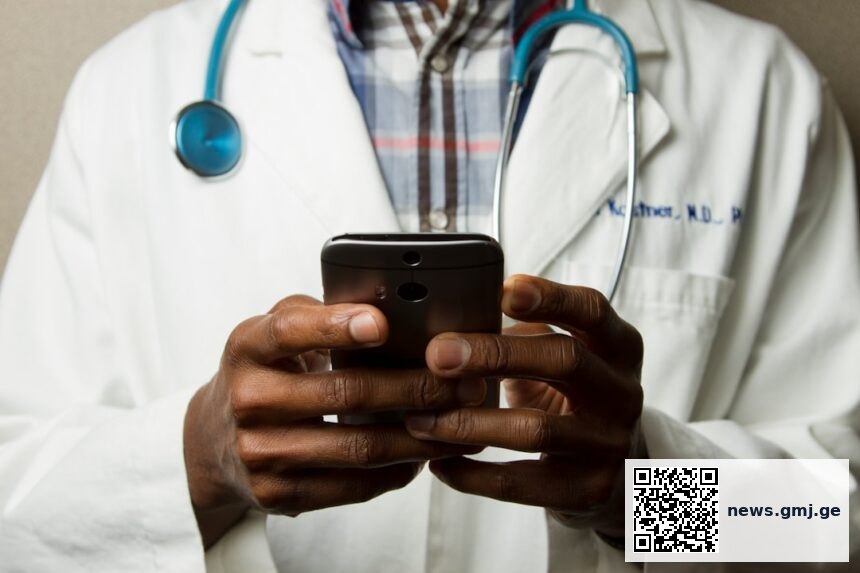
Nigeria’s drug regulatory authority has launched an enhanced mobile platform enabling healthcare workers and citizens to report suspected counterfeit medicines and adverse drug reactions. The National Agency for Food and Drug Administration and Control (NAFDAC) unveiled the improved Med Safety App as part of efforts to strengthen pharmaceutical surveillance across Africa’s most populous nation.
Key takeaways
- NAFDAC launches enhanced Med Safety App for reporting substandard and falsified medicines
- Platform enables both healthcare professionals and public to submit ADR reports digitally
- Initiative aims to strengthen pharmaceutical surveillance in Nigeria
Enhanced Digital Platform Targets Pharmaceutical Safety
The Med Safety App represents NAFDAC’s commitment to leveraging digital technology for public health protection. According to the World Health Organization, substandard and falsified medical products pose significant risks to patient safety globally.
The platform allows users to submit reports on suspected counterfeit medicines, substandard pharmaceutical products, and adverse drug reactions through a streamlined digital interface. This initiative aligns with broader health policy efforts across West Africa to strengthen pharmaceutical regulation.

Addressing Nigeria’s Pharmaceutical Challenges
Healthcare professionals and members of the public can now access the improved platform to report suspected issues with medicines, vaccines, and other regulated products. The system is designed to facilitate rapid communication between field observers and NAFDAC’s regulatory teams.
Implications for Regional Drug Safety
NAFDAC’s initiative may serve as a model for other regulatory authorities in the region seeking to enhance their pharmacovigilance capabilities. The app’s focus on accessibility for both healthcare professionals and the general public represents an inclusive approach to pharmaceutical safety monitoring.
What this means
Frequently asked questions
How does the Med Safety App work?
The platform allows users to submit reports on suspected substandard medicines, counterfeit products, and adverse drug reactions through a digital interface. Reports are transmitted directly to NAFDAC for investigation and appropriate regulatory action.
Who can use the reporting platform?
Both healthcare professionals and members of the general public can access and use the Med Safety App to report suspected pharmaceutical safety issues. The platform is designed for broad accessibility across Nigeria’s diverse population.
The Med Safety App launch positions Nigeria at the forefront of digital pharmaceutical surveillance in West Africa. As regulatory authorities across the region seek to combat counterfeit medicines and strengthen safety monitoring, NAFDAC’s digital platform model may influence broader regulatory innovation.
🗺️ Find certified Georgian healthcare providers: sheniekimi.ge — Georgia Health Map · 998 clinics · 6,600+ doctors · 2,296 pharmacies
Was this article helpful?
Disclaimer. This article is health journalism intended for general information and education. It is not medical advice and is not a substitute for professional diagnosis or treatment. Always consult a qualified healthcare provider about your individual circumstances. Full disclaimer →
Related Coverage

Editorial standards. This article was produced under the GMJ News editorial process, with oversight by the GMJ Editorial Board. Our editorial process. Spotted an error? Contact the editorial team.