


Home › Topics › Chagas Disease
Chagas Disease
GMJ News knowledge hub · last reviewed October 2026 · Georgian Medical Journal
SummaryStatisticsGlossaryGMJ newsFAQDocumentsOrganizationsResearch
Chagas disease — caused by the parasite Trypanosoma cruzi and transmitted primarily by triatomine ('kissing') bugs — affects approximately 6-7 million people, predominantly in Latin America, causing cardiac and gastrointestinal complications that kill tens of thousands per year (WHO). The silent chronic phase — during which the parasite destroys heart and gut tissue over decades without symptoms — means most people are unaware of their infection until they present with heart failure, arrhythmias or sudden death. As a WHO Neglected Tropical Disease, Chagas is targeted for control by 2030; its global spread through migration makes it increasingly relevant beyond the Americas.
Key messages
6-7 million infected
Chagas disease — caused by the parasite Trypanosoma cruzi — affects approximately 6-7 million people, predominantly in Latin America, causing silent cardiac destruction that kills tens of thousands per year (WHO).
Silent killer
The majority of Chagas disease patients are unaware of their infection. After the acute phase, most enter a silent chronic phase lasting decades — during which the parasite gradually destroys cardiac and smooth muscle tissue, ultimately causing cardiomyopathy, arrhythmias, cardiac failure and sudden death.
Global spread through migration
Chagas disease has spread globally through migration from Latin America — an estimated 70,000-100,000 people living with Chagas in Europe, 300,000 in the US and cases documented in Japan, Australia and Canada. Vertical (mother-to-child) transmission and blood transfusion are the primary transmission routes outside Latin America.
Triatomine vector
The primary transmission route is through the bite (and defecation) of infected triatomine ("kissing") bugs — which live in cracks in poor-quality housing. Vector control through housing improvement and insecticide spraying is the most impactful prevention in endemic areas.
Treatment is most effective early
Benznidazole or nifurtimox treat Chagas disease — most effectively in the acute phase and early chronic infection (children). Treatment efficacy declines with disease duration; in late-stage cardiac Chagas, treatment prevents transmission but does not reverse cardiac damage.
WHO 2030 elimination target
Chagas is a WHO Neglected Tropical Disease targeted for control — interrupting vector-borne, transfusion, and vertical transmission by 2030 through the NTD Roadmap.
Key statistics
Countries with Chagas disease transmission and estimated infected people — WHO
Source: WHO. Latin America endemic; global spread through migration. Numbers are estimates.
Glossary of key terms
Latest GMJ coverage

Multi-country study reveals critical gaps in Chagas disease data systems across Bolivia and Paraguay
08/06/2026
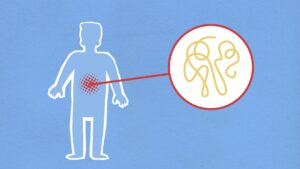
PAHO Partners with Mundo Sano Foundation to Eliminate Neglected Diseases and Cervical Cancer
29/05/2026
Frequently asked questions 12 Q&A — structured for Google featured snippets and AI discovery
Knowledge hub: guidelines, conventions and reports
Organizations working in migration and health
Related health topics
NTDsCVDMigration and healthOne HealthBlood safetyLeishmaniasis
About this hub. Produced by the GMJ News Editorial Team as a public-good service. Every statistic is linked to its primary source. Documents are preserved in the GMJ Repository with full attribution. Georgian Medical Journal · Contact the editorial team