


Home › Topics › Thyroid Disorders
Thyroid Disorders
GMJ News knowledge hub · last reviewed October 2026 · Georgian Medical Journal
SummaryStatisticsGlossaryGMJ newsFAQDocumentsOrganizationsResearch
Thyroid disorders — including hypothyroidism, hyperthyroidism, goitre, thyroid nodules and thyroid cancer — are among the world's most common endocrine diseases, estimated to affect over 750 million people globally, with many more undiagnosed (WHO). Iodine deficiency — affecting approximately 1.9 billion people at risk globally — remains the world's most preventable cause of intellectual disability through congenital hypothyroidism. Thyroid cancer is the fastest-growing cancer diagnosis globally (partly from overdiagnosis), with 586,000 new cases in 2020 — though most are curable with standard treatment.
Key messages
750 million affected
Thyroid disorders — including hypothyroidism, hyperthyroidism, goitre and thyroid cancer — are among the world's most common endocrine diseases, affecting over 750 million people globally, with many more undiagnosed (WHO).
Iodine deficiency — 1.9 billion at risk
Iodine deficiency — causing goitre, hypothyroidism and — critically — congenital hypothyroidism causing permanent intellectual disability — remains the world's leading preventable cause of intellectual disability, with 1.9 billion people at risk globally.
Universal salt iodisation
Universal salt iodisation (USI) — adding iodine to all table and cooking salt — is the primary strategy for eliminating iodine deficiency. WHO and UNICEF target >90% of households using iodised salt. As of 2024, the majority of the world's population has access to iodised salt.
Thyroid cancer fastest growing
Thyroid cancer is the fastest-growing cancer diagnosis globally — with 586,000 new cases in 2020, largely driven by improved imaging detecting small papillary cancers. Most thyroid cancer is papillary carcinoma — highly curable with surgery, radioactive iodine and thyroid hormone suppression.
Hypothyroidism — underdiagnosed
Hypothyroidism — insufficient thyroid hormone — is extremely common, especially in women and older adults. Many cases are subclinical and clinically undetected. It causes fatigue, weight gain, depression, cold intolerance and cognitive impairment — highly treatable with levothyroxine.
Graves' disease
Graves' disease is the most common cause of hyperthyroidism — an autoimmune condition in which antibodies stimulate the thyroid to produce excessive hormone. Causes weight loss, palpitations, sweating, anxiety and exophthalmos (eye protrusion). Treated with antithyroid drugs, radioactive iodine or surgery.
Key statistics
Countries achieving universal salt iodisation coverage >90% — WHO/UNICEF progress
Source: WHO/UNICEF Network for the Sustained Elimination of Iodine Deficiency. Progress 1990-2022.
Glossary of key terms
Latest GMJ coverage

Thyroid Hormone Activation Requires Selenium, Not Iodine Alone
15/10/2026
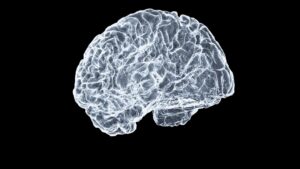
How Minerals Shape Brain Function: Evidence from Neuroscience on Micronutrient Deficiency and Cognition
01/08/2026

Prenatal Iodine Deficiency Linked to Lower Verbal Intelligence in Adolescence, UK Study Finds
28/07/2026

Thyroid Health Depends on Three Nutrients Working Together, Not One Alone
22/07/2026

Severe Iodine Deficiency in Early Pregnancy Linked to Lower Verbal Intelligence at Age 15
22/05/2026

WHO calls for urgent expansion of newborn screening to prevent 8 million annual birth defects
08/08/2026
Frequently asked questions 12 Q&A — structured for Google featured snippets and AI discovery
Knowledge hub: guidelines, conventions and reports
Organizations working in migration and health
Related health topics
Nutrition (iodine)Newborn screeningThyroid cancerCongenital disordersWomen's healthMaternal health
About this hub. Produced by the GMJ News Editorial Team as a public-good service. Every statistic is linked to its primary source. Documents are preserved in the GMJ Repository with full attribution. Georgian Medical Journal · Contact the editorial team