By using this site, you agree to the Privacy Policy and Terms of Use.
Accept
GMJ NewsGMJ NewsGMJ News
  • Latest News
    • GMJ Briefs
  • Podcast & Media
    • Podcast Episodes
    • GMJ Audio
    • GMJ Videos
  • Research Digest
    • New Studies
    • Georgian Research
    • Data & Numbers
  • Policy & Systems
    • Health Policy
    • Quality & Safety
    • Migration & Health
    • Global Health
  • Practice
    • Clinical Updates
    • Case Discussions
    • Pharmacy & Prescribing
    • Ingredients A-Z
  • Perspectives
    • Editorial
    • Explainers
    • Voices
    • Letters
  • GMJ Articles
    • Vol. 1 Issue 2 (2026)
    • Vol. 1 Issue 1 (2026)
    • Pre-Launch Articles (2025)
  • Read the Journal →
  • About GMJ News
Notification Show More
Font ResizerAa
GMJ NewsGMJ News
Font ResizerAa
  • Latest News
    • GMJ Briefs
  • Podcast & Media
    • Podcast Episodes
    • GMJ Audio
    • GMJ Videos
  • Research Digest
    • New Studies
    • Georgian Research
    • Data & Numbers
  • Policy & Systems
    • Health Policy
    • Quality & Safety
    • Migration & Health
    • Global Health
  • Practice
    • Clinical Updates
    • Case Discussions
    • Pharmacy & Prescribing
    • Ingredients A-Z
  • Perspectives
    • Editorial
    • Explainers
    • Voices
    • Letters
  • GMJ Articles
    • Vol. 1 Issue 2 (2026)
    • Vol. 1 Issue 1 (2026)
    • Pre-Launch Articles (2025)
  • Read the Journal →
  • About GMJ News
Follow US
GMJ News > Policy & Systems > Health Policy > UK Health Security Agency Updates Vaccination Guidelines for Incomplete Immunisation Records
Health PolicyPolicy & Systems

UK Health Security Agency Updates Vaccination Guidelines for Incomplete Immunisation Records

GMJ
Last updated: 13/06/2026 10:46
By
GMJ Policy Desk
Share
5 Min Read
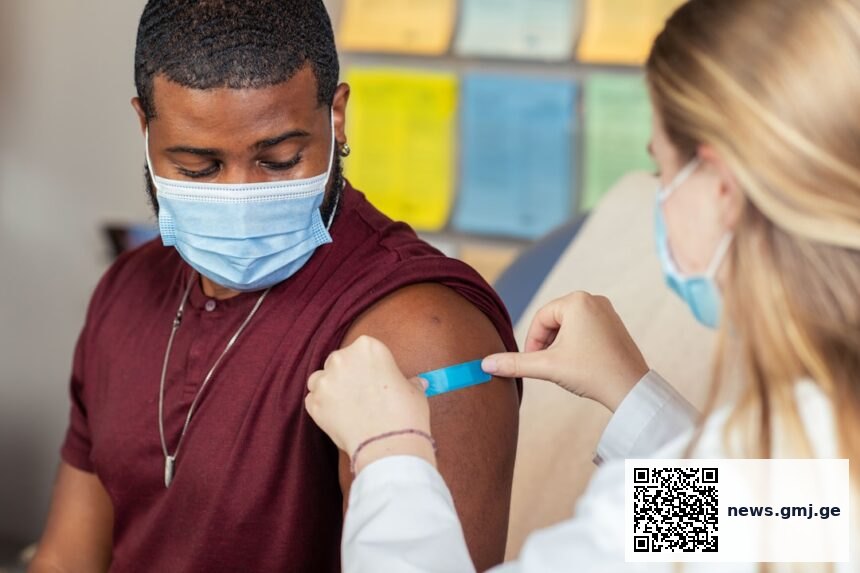
Healthcare professional reviewing vaccination guidelines and patient immunisation recordsPhoto by CDC on Unsplash (Unsplash License)
UK Health Security Agency issues comprehensive vaccination guidance for patients with incomplete immunisation records. Healthcare providers advised to assume no previous vaccination when documentation uncertain. — Photo by CDC on Unsplash (Unsplash License)
SHARE
🎧 Listen to this article4:08 min · 576 words · GMJ Audio
3 min read|576 words
✓ Reviewed by Prof. Giorgi Pkhakadze, MD, MPH, PhD · ORCID 0000-0001-7609-4515

The UK Health Security Agency has issued comprehensive guidance for healthcare professionals managing patients with uncertain or incomplete vaccination records, addressing a critical gap in immunisation practice that affects millions of individuals globally.

Contents
    • Key takeaways
      • Vaccination Approach for Incomplete Records
  • Evidence-Based Approach to Incomplete Records
  • Clinical Implementation and Safety Protocols
  • Public Health Impact and Implementation
    • What this means
  • Frequently asked questions
    • What should I do if I cannot find my vaccination records?
    • Is it safe to receive vaccines I may have already had?
    • How does this affect vaccinations received abroad?

Key takeaways

  • Healthcare providers should assume no previous vaccination when records are uncertain
  • Complete primary vaccination series should be administered to patients with incomplete documentation
  • Special protocols apply for live vaccines with timing considerations between doses
Complete series
recommended for patients with uncertain vaccination history

Vaccination Approach for Incomplete Records

UK Health Security Agency recommendations by scenario

No records available
Complete series
Partial records
Continue from last
Uncertain timing

Restart series

Source: UK Health Security Agency, 2024 | Georgian Medical Journal News

Evidence-Based Approach to Incomplete Records

The UK Health Security Agency guidance emphasises that healthcare practitioners should follow the principle of assuming no previous vaccination when faced with uncertain documentation. This conservative approach ensures adequate protection while minimising the risk of vaccine-preventable diseases.

Submit Your Paper
GMJ_Submit_Banner

The guidance addresses common scenarios encountered in clinical practice, including patients who have lost their vaccination records, individuals who received vaccinations abroad, and those with incomplete documentation from previous healthcare providers.

🎙️ Related Podcast Episodes
🎧 #18 | WHO Updates HIV Clinical Management Guidelines to Improve Global Treatment · 17m
🎧 #14 | WHO: Four in Ten Cancer Cases Could Be Prevented Globally · 16m
🎧 #50 | GMJ Podcast | Inclusive Health for Refugees and Migrants: WHO Reports Global Progress and Remaining Gaps · 17m
🎧 #45 | GMJ Podcast | Tskaltubo Mineral Baths in Osteoarthritis — Microcirculation, Erythrocytes, and Clinical Effects · 18m
🎧 #40 | GMJ Podcast | [Insert Article Title] — Evidence, Clinical Implications, and Public Health Perspective · 16m

Clinical Implementation and Safety Protocols

For patients requiring catch-up vaccination, the guidance specifies that practitioners should administer the complete primary series according to current vaccination schedules. Special attention is given to live vaccine administration, which requires specific timing intervals to ensure optimal immune response and safety.

The document provides detailed protocols for managing different vaccine types, including inactivated vaccines that can be administered simultaneously and live vaccines that may require spacing. Healthcare providers are advised to consult the latest clinical updates for specific vaccine interactions and contraindications.

Public Health Impact and Implementation

This guidance addresses a significant public health challenge, particularly relevant for migrant populations and individuals with disrupted healthcare access. The World Health Organization has highlighted incomplete vaccination coverage as a persistent global health issue affecting disease prevention efforts.

Healthcare systems implementing these guidelines can expect improved vaccination coverage rates and reduced incidence of vaccine-preventable diseases. The standardised approach also supports healthcare providers in making evidence-based decisions when facing documentation uncertainties.

Healthcare practitioners should assume no previous vaccination has been given when vaccination history is uncertain or incomplete

— UK Health Security Agency Vaccination Guidance (2024)

What this means

For patients: Individuals with uncertain vaccination records should expect to receive complete vaccination series to ensure adequate protection
For clinicians: Clear protocols now exist for managing incomplete vaccination records, reducing clinical uncertainty and improving patient safety
For policymakers: Standardised guidelines support consistent vaccination practices and may inform national immunisation programme development

Frequently asked questions

What should I do if I cannot find my vaccination records?

Healthcare providers will treat you as unvaccinated and recommend a complete vaccination series according to current schedules. This ensures you receive adequate protection against vaccine-preventable diseases.

Is it safe to receive vaccines I may have already had?

Yes, receiving additional doses of most vaccines is safe and will not cause harm. The guidance prioritises ensuring adequate protection over the small risk of receiving extra doses.

How does this affect vaccinations received abroad?

If you cannot provide adequate documentation of vaccinations received in other countries, healthcare providers will follow the same protocols and may recommend repeating certain vaccinations to ensure protection.

The implementation of these guidelines represents a significant step forward in addressing vaccination gaps and ensuring consistent healthcare delivery. Healthcare systems adopting these evidence-based protocols can expect improved patient outcomes and enhanced disease prevention capabilities across diverse patient populations.

Source: Guidance: Vaccination of individuals with uncertain or incomplete immunisation

Was this article helpful?

Disclaimer. This article is health journalism intended for general information and education. It is not medical advice and is not a substitute for professional diagnosis or treatment. Always consult a qualified healthcare provider about your individual circumstances. Full disclaimer →

Related Coverage
Common Farm Chemicals May Fuel Deadly Hospital Infections, UK Scientists WarnJun 13, 2026
Turks and Caicos Becomes Third Caribbean Territory to Eliminate HIV Mother-to-Child TransmissionJun 13, 2026
PAHO Urges Hurricane Preparedness Despite Below-Normal 2026 Season ForecastJun 13, 2026
UK Medicine Broker Registry Updated to Strengthen Drug Supply Chain OversightJun 13, 2026
Related reference
  • SAMe · Ingredient
PG
Written by
Prof. Giorgi Pkhakadze, MD, MPH, PhD
Editor-in-Chief, GMJ News
Full profile →
Medical disclaimer. This article is health journalism intended for general information. It is not medical advice and is not a substitute for consultation with a qualified healthcare professional. Always seek your physician's advice regarding any medical condition.
Medically reviewed by Prof. Giorgi Pkhakadze, MD, MPH, PhD. Spotted an error? Contact the editorial team.

Get the GMJ News digest
Evidence-based health journalism in your inbox. No spam; unsubscribe anytime.
TAGGED:healthcare protocolsimmunisation recordsUK health policyvaccination guidelinesvaccine safety
Share This Article
Facebook LinkedIn Bluesky Copy Link Print
GMJ
ByGMJ Policy Desk
Follow:
GMJ Policy Desk is part of GMJ News, the newsroom of the Georgian Medical Journal (gmj.ge), published by the Public Health Institute of Georgia. Every article is editorially reviewed before publication.
Leave a Comment Leave a Comment

Leave a Reply Cancel reply

Your email address will not be published. Required fields are marked *

Submit Your Paper →

Georgia's peer-reviewed open-access medical journal. No APC until January 2027.
Submit Manuscript →
Novel PET Tracer Detects Blood Clots in Legs and Lungs with Single Scan

Novel PET radiotracer enables simultaneous detection of deep vein thrombosis and pulmonary…

Common Farm Chemicals May Fuel Deadly Hospital Infections, UK Scientists Warn

University of Manchester scientists warn that common agricultural chemicals may be creating…

Turks and Caicos Becomes Third Caribbean Territory to Eliminate HIV Mother-to-Child Transmission

WHO certifies Turks and Caicos Islands for eliminating mother-to-child transmission of HIV…

Submit Your Paper to GMJ

No APC until January 2027.
Submit Manuscript →

You Might Also Like

Healthcare professional using digital tablet to access public health resources on government platform
Health PolicyPolicy & Systems

UK Launches Comprehensive Digital Public Health Resource Hub for Healthcare Professionals

By
GMJ Policy Desk
24/05/2026
Healthcare workers discussing HIV stigma reduction strategies in clinical setting
Global Health

HIV Stigma Study Reveals Persistent Discrimination in Cabo Verde Healthcare System

By
GMJ Policy Desk
22/05/2026
Digital interface showing UK MHRA electronic export certificate system for pharmaceutical companies
Health PolicyPolicy & Systems

UK Launches Digital Export Certificate System for Human Medicines

By
GMJ Policy Desk
27/05/2026
Safety alert notification for Kimal Procedure Pack devices with disconnection and contamination warnings
Quality & Safety

UK Urgent Safety Alert: Kimal Procedure Packs Recalled Over Syringe Disconnection Risk

By
GMJ Policy Desk
20/05/2026
Facebook Twitter Youtube Instagram
Company
  • Privacy Policy
  • Contact US
  • GMJ Journal
  • Submit Manuscript
  • Editorial Team
  • Register at GMJ
  • Terms of Use

Subscribe to GMJ News — Click here

Join Community
© 2026 Georgian Medical Journal (GMJ). Published by the Public Health Institute of Georgia (PHIG). All rights reserved.
Welcome Back!

Sign in to your account

Username or Email Address
Password

Lost your password?

Not a member? Sign Up