Updated 13/09/2026
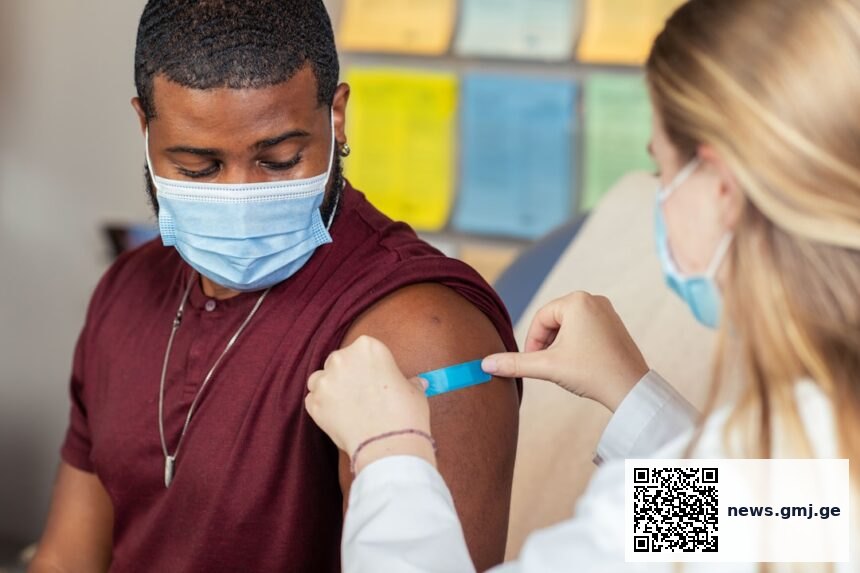
The UK Health Security Agency has issued comprehensive guidance for healthcare professionals managing patients with uncertain or incomplete vaccination records, addressing a critical gap in immunisation practice that affects millions of individuals globally.
Key takeaways
- Healthcare providers should assume no previous vaccination when records are uncertain
- Complete primary vaccination series should be administered to patients with incomplete documentation
- Special protocols apply for live vaccines with timing considerations between doses
Vaccination Approach for Incomplete Records
UK Health Security Agency recommendations by scenario
Source: UK Health Security Agency, 2024 | Georgian Medical Journal News

Evidence-Based Approach to Incomplete Records
The UK Health Security Agency guidance emphasises that healthcare practitioners should follow the principle of assuming no previous vaccination when faced with uncertain documentation. This conservative approach ensures adequate protection while minimising the risk of vaccine-preventable diseases.
The guidance addresses common scenarios encountered in clinical practice, including patients who have lost their vaccination records, individuals who received vaccinations abroad, and those with incomplete documentation from previous healthcare providers.
Clinical Implementation and Safety Protocols
For patients requiring catch-up vaccination, the guidance specifies that practitioners should administer the complete primary series according to current vaccination schedules. Special attention is given to live vaccine administration, which requires specific timing intervals to ensure optimal immune response and safety.
The document provides detailed protocols for managing different vaccine types, including inactivated vaccines that can be administered simultaneously and live vaccines that may require spacing. Healthcare providers are advised to consult the latest clinical updates for specific vaccine interactions and contraindications.
Public Health Impact and Implementation
This guidance addresses a significant public health challenge, particularly relevant for migrant populations and individuals with disrupted healthcare access. The World Health Organization has highlighted incomplete vaccination coverage as a persistent global health issue affecting disease prevention efforts.
Healthcare systems implementing these guidelines can expect improved vaccination coverage rates and reduced incidence of vaccine-preventable diseases. The standardised approach also supports healthcare providers in making evidence-based decisions when facing documentation uncertainties.
Healthcare practitioners should assume no previous vaccination has been given when vaccination history is uncertain or incomplete
— UK Health Security Agency Vaccination Guidance (2024)
What this means
Frequently asked questions
What should I do if I cannot find my vaccination records?
Healthcare providers will treat you as unvaccinated and recommend a complete vaccination series according to current schedules. This ensures you receive adequate protection against vaccine-preventable diseases.
Is it safe to receive vaccines I may have already had?
Yes, receiving additional doses of most vaccines is safe and will not cause harm. The guidance prioritises ensuring adequate protection over the small risk of receiving extra doses.
How does this affect vaccinations received abroad?
If you cannot provide adequate documentation of vaccinations received in other countries, healthcare providers will follow the same protocols and may recommend repeating certain vaccinations to ensure protection.
The implementation of these guidelines represents a significant step forward in addressing vaccination gaps and ensuring consistent healthcare delivery. Healthcare systems adopting these evidence-based protocols can expect improved patient outcomes and enhanced disease prevention capabilities across diverse patient populations.
Source: Guidance: Vaccination of individuals with uncertain or incomplete immunisation
🗺️ Find certified Georgian healthcare providers: sheniekimi.ge — Georgia Health Map · 998 clinics · 6,600+ doctors · 2,296 pharmacies
Was this article helpful?
Disclaimer. This article is health journalism intended for general information and education. It is not medical advice and is not a substitute for professional diagnosis or treatment. Always consult a qualified healthcare provider about your individual circumstances. Full disclaimer →
Related Coverage



Editorial standards. This article was produced under the GMJ News editorial process, with oversight by the GMJ Editorial Board. Our editorial process. Spotted an error? Contact the editorial team.