By using this site, you agree to the Privacy Policy and Terms of Use.
Accept
GMJ NewsGMJ NewsGMJ News
  • Latest News
    • GMJ Briefs
  • Podcast & Media
    • Podcast Episodes
    • GMJ Audio
    • GMJ Videos
  • Research Digest
    • New Studies
    • Georgian Research
    • Data & Numbers
  • Policy & Systems
    • Health Policy
    • Quality & Safety
    • Migration & Health
    • Global Health
  • Practice
    • Clinical Updates
    • Case Discussions
    • Pharmacy & Prescribing
    • Ingredients A-Z
  • Perspectives
    • Editorial
    • Explainers
    • Voices
    • Letters
  • GMJ Articles
    • Vol. 1 Issue 2 (2026)
    • Vol. 1 Issue 1 (2026)
    • Pre-Launch Articles (2025)
  • Read the Journal →
  • About GMJ News
Notification Show More
Font ResizerAa
GMJ NewsGMJ News
Font ResizerAa
  • Latest News
    • GMJ Briefs
  • Podcast & Media
    • Podcast Episodes
    • GMJ Audio
    • GMJ Videos
  • Research Digest
    • New Studies
    • Georgian Research
    • Data & Numbers
  • Policy & Systems
    • Health Policy
    • Quality & Safety
    • Migration & Health
    • Global Health
  • Practice
    • Clinical Updates
    • Case Discussions
    • Pharmacy & Prescribing
    • Ingredients A-Z
  • Perspectives
    • Editorial
    • Explainers
    • Voices
    • Letters
  • GMJ Articles
    • Vol. 1 Issue 2 (2026)
    • Vol. 1 Issue 1 (2026)
    • Pre-Launch Articles (2025)
  • Read the Journal →
  • About GMJ News
Follow US
GMJ News > Policy & Systems > Global Health > Turks and Caicos Becomes Third Caribbean Territory to Eliminate HIV Mother-to-Child Transmission
Global HealthPolicy & Systems

Turks and Caicos Becomes Third Caribbean Territory to Eliminate HIV Mother-to-Child Transmission

GMJ
Last updated: 12/06/2026 02:41
By
GMJ Policy Desk
Share
6 Min Read
WHO certification document for Turks and Caicos Islands mother-to-child transmission eliminationPhoto by National Institute of Allergy and Infectious Diseases on Unsplash (Unsplash License)
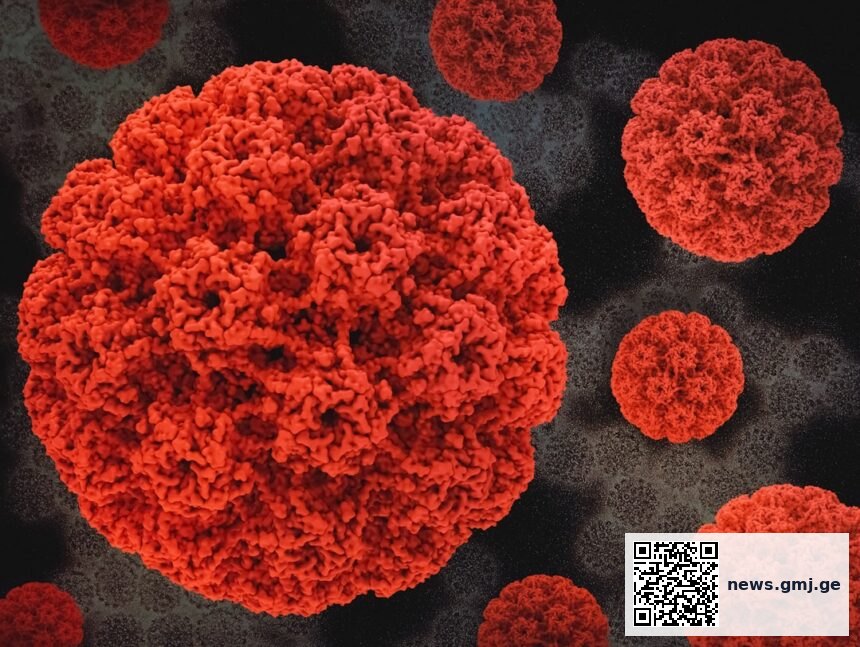
WHO certifies Turks and Caicos Islands for eliminating mother-to-child transmission of HIV and hepatitis B, becoming the third Caribbean territory to achieve this milestone. The certification demonstrates effective integrated antenatal care programs in small island developing states. — Photo by National Institute of Allergy and Infectious Diseases on Unsplash (Unsplash License)
SHARE
🎧 Listen to this article5:00 min · 701 words · GMJ Audio
4 min read|701 words
✓ Reviewed by Prof. Giorgi Pkhakadze, MD, MPH, PhD · ORCID 0000-0001-7609-4515

The World Health Organization has officially certified Turks and Caicos Islands for eliminating mother-to-child transmission of HIV and hepatitis B, marking a significant public health milestone for the Caribbean region. The certification, announced on June 3, 2026, makes Turks and Caicos the third Caribbean territory to achieve this status after Cuba and Anguilla.

Contents
    • Key takeaways
      • WHO Certifications for Eliminating Mother-to-Child Transmission
  • Caribbean Region Leads Global Elimination Efforts
  • Comprehensive Prevention Strategy Shows Results
  • Implications for Regional Health Security
    • What this means
  • Frequently asked questions
    • What does WHO certification for elimination mean?
    • How many countries have achieved dual certification?
    • Why is the Caribbean region successful in elimination efforts?

Key takeaways

  • Turks and Caicos joins only 14 countries worldwide certified for eliminating both HIV and hepatitis B mother-to-child transmission
  • The territory achieved less than 2% transmission rates for HIV and less than 2% prevalence for hepatitis B surface antigen in children
  • This certification demonstrates the effectiveness of comprehensive antenatal screening and treatment programs in small island developing states
14
countries and territories worldwide now certified for eliminating both HIV and hepatitis B mother-to-child transmission

WHO Certifications for Eliminating Mother-to-Child Transmission

Caribbean progress in HIV and hepatitis B elimination, 2015-2026

14
Countries certified for both HIV and hepatitis B
3
Caribbean territories certified
2026
Year of Turks and Caicos certification

Source: WHO, 2026 | Georgian Medical Journal News

Caribbean Region Leads Global Elimination Efforts

The certification process requires countries to demonstrate sustained elimination of mother-to-child transmission over at least two years. For HIV, this means reducing transmission rates to less than 2% among non-breastfeeding populations. For hepatitis B, the target is achieving less than 2% prevalence of hepatitis B surface antigen among children under five years old.

Submit Your Paper
GMJ_Submit_Banner

According to the Pan American Health Organization, the Caribbean region has emerged as a leader in eliminating mother-to-child transmission. Cuba became the first country worldwide to receive dual certification in 2015, followed by several other Caribbean nations achieving certification for HIV elimination.

🎙️ Related Podcast Episodes
🎧 #26 | Denmark Becomes First EU Country to Eliminate Mother-to-Child Transmission of HIV and · 14m
🎧 #17 | WHO: Global Population Requiring Trachoma Interventions Falls Below 100 Million · 16m
🎧 #9 Leprosy in 2026: Bridging Medical Cure and Social Inclusion – WHO World Leprosy Day Message · 18m

Comprehensive Prevention Strategy Shows Results

The success in Turks and Caicos demonstrates the effectiveness of integrated antenatal care programs that combine HIV and hepatitis B screening with immediate treatment initiation. The territory implemented universal screening for pregnant women, antiretroviral therapy for HIV-positive mothers, and hepatitis B vaccination programs for newborns.

Small island developing states like Turks and Caicos face unique challenges in healthcare delivery, including limited resources and geographic isolation. However, their smaller populations allow for more targeted interventions and comprehensive coverage of pregnant women, as highlighted in the global health initiatives section.

The certification validates that Turks and Caicos has implemented robust health systems capable of preventing vertical transmission of two major infectious diseases simultaneously.

— Dr. Jarbas Barbosa, PAHO Director (WHO announcement, 2026)

Implications for Regional Health Security

This achievement contributes to broader regional goals for eliminating mother-to-child transmission across the Americas. The Pan American Health Organization has set targets for all countries in the region to achieve elimination by 2030 as part of the Sustainable Development Goals.

The certification also demonstrates progress in healthcare quality and safety standards, particularly in maternal and child health services. The success provides a model for other small island developing states facing similar healthcare delivery challenges.

What this means

For patients: Pregnant women in Turks and Caicos can access comprehensive screening and treatment to prevent transmitting HIV and hepatitis B to their babies
For clinicians: The integrated prevention model demonstrates effective strategies for implementing dual HIV and hepatitis B elimination programs in resource-limited settings
For policymakers: Small island states can achieve WHO elimination targets through sustained investment in antenatal care and targeted public health interventions

Frequently asked questions

What does WHO certification for elimination mean?

WHO certification confirms that a country has reduced mother-to-child transmission rates below specific thresholds and maintained these low levels for at least two consecutive years with robust surveillance systems.

How many countries have achieved dual certification?

Only 14 countries and territories worldwide have received WHO certification for eliminating both HIV and hepatitis B mother-to-child transmission, making this achievement relatively rare globally.

Why is the Caribbean region successful in elimination efforts?

Caribbean islands benefit from smaller, more manageable populations, strong regional cooperation through PAHO, and targeted public health programs that can achieve comprehensive coverage of pregnant women.

The certification of Turks and Caicos represents continued progress toward the global goal of eliminating mother-to-child transmission of HIV and hepatitis B. As more Caribbean territories achieve these milestones, the region is positioning itself as a model for other small island developing states worldwide to follow similar integrated prevention strategies.

Source: WHO certifies Turks and Caicos for eliminating mother-to-child transmission of HIV and hepatitis B

Was this article helpful?

Disclaimer. This article is health journalism intended for general information and education. It is not medical advice and is not a substitute for professional diagnosis or treatment. Always consult a qualified healthcare provider about your individual circumstances. Full disclaimer →

Related Coverage

Vitamin D Thresholds Remain Contested Despite Large Clinical TrialsAug 1, 2026
Forty-eight years of WHO essential medicines: core drugs unchanged since 1977Jul 31, 2026
Young widowhood linked to elevated HIV risk behaviours in Kenya's Siaya CountyJul 31, 2026
Blood Type O Shows Lower Risk in Severe Malaria: Updated Meta-AnalysisJul 31, 2026
Related reference
  • Hepatitis B · Condition
PG
Written by
Prof. Giorgi Pkhakadze, MD, MPH, PhD
Editor-in-Chief, GMJ News
Full profile →  ·  ORCID 0000-0001-7609-4515
Medical disclaimer. This article is health journalism intended for general information. It is not medical advice and is not a substitute for consultation with a qualified healthcare professional. Always seek your physician's advice regarding any medical condition.
Medically reviewed by Prof. Giorgi Pkhakadze, MD, MPH, PhD. Spotted an error? Contact the editorial team.

Get the GMJ News digest
Evidence-based health journalism in your inbox. No spam; unsubscribe anytime.
TAGGED:Caribbean healthhepatitis B preventionHIV eliminationmother-to-child transmissionWHO certification
Share This Article
Facebook LinkedIn Bluesky Copy Link Print
GMJ
ByGMJ Policy Desk
Follow:
GMJ Policy Desk is part of GMJ News, the newsroom of the Georgian Medical Journal (gmj.ge), published by the Public Health Institute of Georgia. Every article is editorially reviewed before publication.
Leave a Comment Leave a Comment

Leave a Reply Cancel reply

Your email address will not be published. Required fields are marked *

Submit Your Paper →

Georgia's peer-reviewed open-access medical journal. No APC until January 2027.
Submit Manuscript →
Creatine’s Role in Energy Metabolism and Disease Prevention: Evidence from Recent Research

The phosphocreatine system is critical for energy supply in high-demand tissues including…

How Neurotransmitters Shape Behaviour: The Science Behind Brain Chemistry

The human brain operates through billions of chemical conversations per second. Eight…

Alcohol’s Hidden Health Toll: Damage That Won’t Show Up in a Hangover

Research spanning five studies reveals that 75% of alcohol's physiological damage—suppressed growth…

Submit Your Paper to GMJ

No APC until January 2027.
Submit Manuscript →

You Might Also Like

UK Health Security Agency Health Protection Report Volume 20 cover showing surveillance data trendsIllustrative image · Photo by Kampus Production on Pexels (Pexels License)
Health PolicyPolicy & Systems

UK Health Protection Report 2026 Reveals Key Public Health Surveillance Trends

By
GMJ Policy Desk
08/07/2026
Global temperature map showing El Niño heat impacts and health risk zonesPhoto by Alexandre P. Junior on Pexels (Pexels License)
Global HealthPolicy & Systems

WMO Warns El Niño Will Drive Record Heatwaves Through August 2024

By
GMJ Policy Desk
07/06/2026
Healthcare workers in Nigeria providing primary care services
Global HealthPolicy & Systems

Nigerian Health Commissioner’s Eight-Year Transformation Demonstrates Impact of Primary Healthcare Reform

By
GMJ Policy Desk
30/05/2026
Healthcare workers discussing medical care standards in detention facilitiesIllustrative image · Photo by Mark Stebnicki on Pexels (Pexels License)
Health PolicyMigration & HealthPolicy & Systems

Medical Neglect in Immigration Detention: Journalists Expose Healthcare Gaps

By
GMJ Policy Desk
01/07/2026
Facebook Twitter Youtube Instagram
Company
  • Privacy Policy
  • Contact US
  • GMJ Journal
  • Submit Manuscript
  • Editorial Team
  • Register at GMJ
  • Terms of Use

Subscribe to GMJ News — Click here

Join Community
© 2026 Georgian Medical Journal (GMJ). Published by the Public Health Institute of Georgia (PHIG). All rights reserved.
Welcome Back!

Sign in to your account

Username or Email Address
Password

Lost your password?

Not a member? Sign Up