By using this site, you agree to the Privacy Policy and Terms of Use.
Accept
GMJ NewsGMJ NewsGMJ News
  • Latest News
    • GMJ Briefs
  • Podcast & Media
    • Podcast Episodes
    • GMJ Audio
    • GMJ Videos
  • Research Digest
    • New Studies
    • Georgian Research
    • Data & Numbers
  • Policy & Systems
    • Health Policy
    • Quality & Safety
    • Migration & Health
    • Global Health
  • Practice
    • Clinical Updates
    • Case Discussions
    • Pharmacy & Prescribing
    • Ingredients A-Z
  • Perspectives
    • Editorial
    • Explainers
    • Voices
    • Letters
  • GMJ Articles
    • Vol. 1 Issue 2 (2026)
    • Vol. 1 Issue 1 (2026)
    • Pre-Launch Articles (2025)
  • Read the Journal →
  • About GMJ News
Notification Show More
Font ResizerAa
GMJ NewsGMJ News
Font ResizerAa
  • Latest News
    • GMJ Briefs
  • Podcast & Media
    • Podcast Episodes
    • GMJ Audio
    • GMJ Videos
  • Research Digest
    • New Studies
    • Georgian Research
    • Data & Numbers
  • Policy & Systems
    • Health Policy
    • Quality & Safety
    • Migration & Health
    • Global Health
  • Practice
    • Clinical Updates
    • Case Discussions
    • Pharmacy & Prescribing
    • Ingredients A-Z
  • Perspectives
    • Editorial
    • Explainers
    • Voices
    • Letters
  • GMJ Articles
    • Vol. 1 Issue 2 (2026)
    • Vol. 1 Issue 1 (2026)
    • Pre-Launch Articles (2025)
  • Read the Journal →
  • About GMJ News
Follow US
GMJ News > Policy & Systems > Global Health > Child Poverty Rises in Wealthy Nations Despite Economic Growth, UNICEF Analysis Shows
Global HealthPolicy & Systems

Child Poverty Rises in Wealthy Nations Despite Economic Growth, UNICEF Analysis Shows

GMJ
Last updated: 20/06/2026 11:06
By
GMJ Policy Desk
Share
5 Min Read
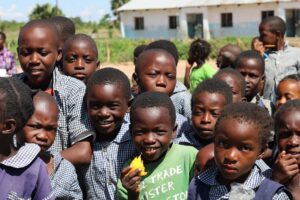
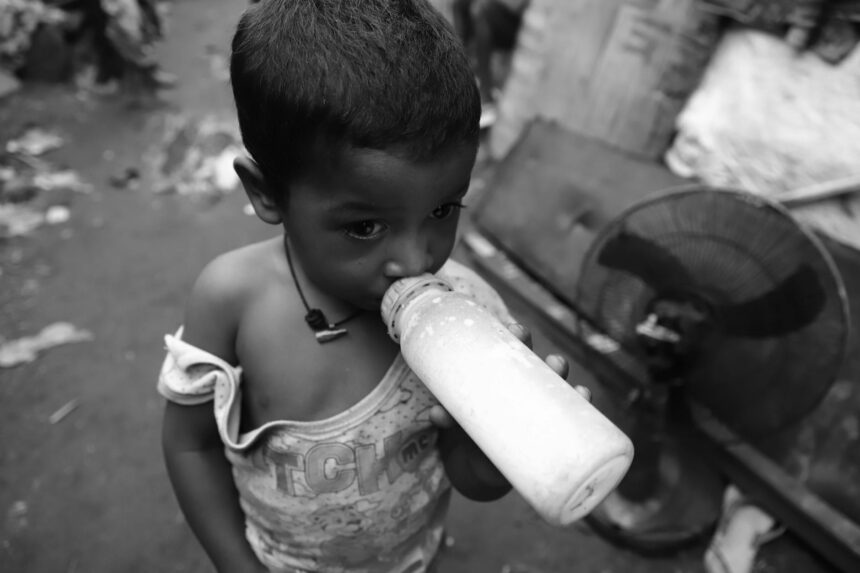
Children from diverse backgrounds representing inequality in wealthy nationsIllustrative image · Photo by FANISH on Pexels (Pexels License)
UNICEF analysis reveals that 1 in 8 children in wealthy nations live in poverty despite overall economic growth. Nordic countries demonstrate effective policy solutions with child poverty rates below 5%. — Photo by FANISH on Pexels (Pexels License)
SHARE
3 min read|635 words

Economic inequality is undermining children’s wellbeing across the world’s wealthiest countries, despite overall economic growth, according to a new analysis from UNICEF. The report reveals that prosperity gains have not translated into improved outcomes for millions of children in high-income nations.

Contents
      • Child poverty rates across wealthy nations
  • Wealth Concentration Leaves Children Behind
  • Policy Solutions Show Promise in Nordic Models
  • Health Implications Extend Beyond Childhood
    • Key takeaways
  • Frequently asked questions
    • How is child poverty measured in wealthy countries?
    • Why do some wealthy countries have higher child poverty rates?
    • What health problems are most common among children in poverty?
1 in 8
children in wealthy countries live in poverty despite national prosperity

Child poverty rates across wealthy nations

Percentage of children living below national poverty lines, 2023

Romania
20.9%
Bulgaria
18.2%
Spain
15.8%
Italy
13.4%
United States
12.1%
Denmark

2.9%

Source: UNICEF Innocenti Report Card 18, 2024 | Georgian Medical Journal News

Wealth Concentration Leaves Children Behind

The UNICEF analysis examined income distribution patterns across 41 high-income countries, finding that economic inequality has worsened in most nations over the past decade. According to the UNICEF Innocenti Research Centre, children from the poorest households face significantly worse outcomes in health, education, and social mobility compared to their peers in more equal societies.

Submit Your Paper
GMJ_Submit_Banner

Countries with the highest levels of income inequality also show the greatest disparities in child wellbeing outcomes. The report emphasizes that health equity remains a critical challenge, with children from disadvantaged backgrounds experiencing higher rates of chronic conditions and mental health problems.

🎙️ Related Podcast Episodes
🎧 #9 Leprosy in 2026: Bridging Medical Cure and Social Inclusion – WHO World Leprosy Day Message · 18m
🎧 #20 | WHO: Conflict and Instability Make Pregnancy More Dangerous · 18m
🎧 #16 | WHO Prequalifies New Oral Polio Vaccine to Strengthen Global Eradication Efforts · 20m
🎧 #54 | GMJ Podcast | The Blueprint of a Medical Journal: Designing an Open-Access Scientific Platform · 19m
🎧 #53 | GMJ Podcast | Palliative Care in Georgia — Health System Gaps, Access Barriers, and Policy Implications · 16m

Policy Solutions Show Promise in Nordic Models

Nordic countries demonstrate that comprehensive social protection systems can effectively reduce child poverty rates. Denmark, Finland, and Norway maintain child poverty rates below 5%, according to the OECD Better Life Index. These nations invest heavily in universal childcare, education, and family support programs that benefit all children regardless of household income.

The contrast is particularly stark when compared to countries with more market-oriented approaches. Research published in The Lancet Child & Adolescent Health demonstrates that universal social programs produce better population health outcomes than targeted interventions alone.

Health Implications Extend Beyond Childhood

Children experiencing poverty face lasting health consequences that persist into adulthood, creating intergenerational cycles of disadvantage. The World Health Organization identifies income inequality as a fundamental determinant of health outcomes, with effects visible from birth through old age.

Mental health impacts are particularly concerning, with studies showing higher rates of anxiety, depression, and behavioral problems among children from low-income households. Access to quality healthcare services varies significantly by socioeconomic status, even in countries with universal health systems, according to research from health equity experts.

Children in the bottom income quintile are three times more likely to experience poor health outcomes compared to those in the top quintile, even in wealthy nations with universal healthcare

— UNICEF Innocenti Research Centre (Report Card 18, 2024)

Key takeaways

  • 1 in 8 children in wealthy countries live in poverty despite national prosperity
  • Nordic countries maintain child poverty rates below 5% through comprehensive social protection
  • Income inequality creates lasting health disparities that persist into adulthood
  • Universal social programs outperform targeted interventions in reducing child poverty

Frequently asked questions

How is child poverty measured in wealthy countries?

Child poverty is typically measured as the percentage of children living in households with income below 50% of the national median. This relative measure captures inequality within each country rather than absolute deprivation.

Why do some wealthy countries have higher child poverty rates?

Countries with weaker social safety nets, limited family support policies, and greater income inequality tend to have higher child poverty rates. Labor market policies and tax systems also play crucial roles in determining outcomes.

What health problems are most common among children in poverty?

Children in poverty experience higher rates of respiratory infections, malnutrition, mental health disorders, and developmental delays. They also have reduced access to preventive healthcare and specialist services when needed.

The UNICEF findings underscore the urgent need for policy interventions that address structural inequality rather than symptoms alone. As wealthy nations grapple with growing disparities, the Nordic model offers proven strategies for protecting child wellbeing while maintaining economic competitiveness. Investment in comprehensive family support systems represents both a moral imperative and an economic opportunity to break cycles of disadvantage.

Source: Economic inequality harming children’s wellbeing in world’s wealthiest countries – UNICEF

Was this article helpful?

Disclaimer. This article is health journalism intended for general information and education. It is not medical advice and is not a substitute for professional diagnosis or treatment. Always consult a qualified healthcare provider about your individual circumstances. Full disclaimer →

Related Coverage
UNICEF calls for child-focused migration policies as 50 million children migrate globallyJun 22, 2026
UNICEF Demands Protection for Mali's Children After Deadly School and Hospital AttacksJun 21, 2026
Gaza Children Face Educational Crisis as 625,000 Students Lose Access to SchoolingJun 21, 2026
Lebanon Ceasefire Fails to Protect Children as 59 Casualties Reported in One WeekJun 21, 2026
PG
Written by
Prof. Giorgi Pkhakadze, MD, MPH, PhD
Editor-in-Chief, GMJ News
Full profile →  ·  ORCID 0000-0001-7609-4515
Medical disclaimer. This article is health journalism intended for general information. It is not medical advice and is not a substitute for consultation with a qualified healthcare professional. Always seek your physician's advice regarding any medical condition.
Medically reviewed by Prof. Giorgi Pkhakadze, MD, MPH, PhD. Spotted an error? Contact the editorial team.

Get the GMJ News digest
Evidence-based health journalism in your inbox. No spam; unsubscribe anytime.
TAGGED:child povertyeconomic inequalityhealth equitysocial policyUNICEF
Share This Article
Facebook LinkedIn Bluesky Copy Link Print
GMJ
ByGMJ Policy Desk
Follow:
GMJ Policy Desk is part of GMJ News, the newsroom of the Georgian Medical Journal (gmj.ge), published by the Public Health Institute of Georgia. Every article is editorially reviewed before publication.
Leave a Comment Leave a Comment

Leave a Reply Cancel reply

Your email address will not be published. Required fields are marked *

Submit Your Paper →

Georgia's peer-reviewed open-access medical journal. No APC until January 2027.
Submit Manuscript →
UNICEF calls for child-focused migration policies as 50 million children migrate globally

UNICEF calls for child-focused migration policies as 50 million children migrate globally,…

UNICEF Demands Protection for Mali’s Children After Deadly School and Hospital Attacks

UNICEF demands protection for 2.3 million children in Mali following deadly attacks…

Gaza Children Face Educational Crisis as 625,000 Students Lose Access to Schooling

Over 625,000 children in Gaza have lost access to education for more…

Submit Your Paper to GMJ

No APC until January 2027.
Submit Manuscript →

You Might Also Like

Healthcare worker providing HIV prevention counseling to women in Zambian clinic setting
New StudiesResearch Digest

Discrimination linked to early HIV prevention dropout among sex workers in Zambia

By
GMJ Research Desk
31/05/2026
Global health crisis: Ebola laboratory testing and vaccine development urgency
Global Health

New Ebola strain spreading in Congo and Uganda lacks approved vaccine, complicating outbreak response

By
GMJ Policy Desk
20/05/2026
Safety alert notification for Kimal Procedure Pack devices with disconnection and contamination warnings
Quality & Safety

UK Urgent Safety Alert: Kimal Procedure Packs Recalled Over Syringe Disconnection Risk

By
GMJ Policy Desk
20/05/2026
Chart showing Michigan school vaccination waiver rates declining then rising again
Health PolicyPolicy & Systems

Michigan’s Vaccine Education Requirement Reduced School Waivers Until COVID-19 Reversed Progress

By
GMJ Policy Desk
03/06/2026
Facebook Twitter Youtube Instagram
Company
  • Privacy Policy
  • Contact US
  • GMJ Journal
  • Submit Manuscript
  • Editorial Team
  • Register at GMJ
  • Terms of Use

Subscribe to GMJ News — Click here

Join Community
© 2026 Georgian Medical Journal (GMJ). Published by the Public Health Institute of Georgia (PHIG). All rights reserved.
Welcome Back!

Sign in to your account

Username or Email Address
Password

Lost your password?

Not a member? Sign Up