Updated 13/09/2026
🟠 Moderate Evidence
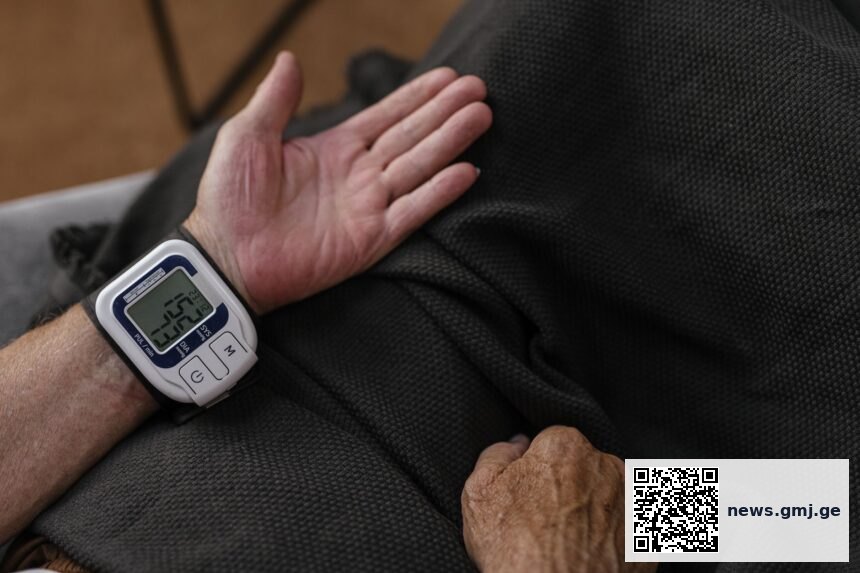
Patients who monitor their blood pressure at home and share data directly with healthcare providers face significantly lower risks of cardiovascular hospitalization and death compared to those receiving standard care. A new study published in the European Heart Journal–Digital Health demonstrates that self-monitoring programs can deliver measurable reductions in heart attack and stroke risk.
Key takeaways
- Home blood pressure monitoring with digital sharing reduces cardiovascular events by 36%
- Patients showed significantly lower hospitalization rates compared to standard care groups
- Digital health integration enables real-time clinical decision-making for hypertension management
Study at a Glance
| Source | European Heart Journal–Digital Health |
| Study type | Observational cohort study |
| Sample size | Data from digital monitoring programs |
| Population | Hypertensive patients |
| Country | Multi-center study |
Cardiovascular Risk Reduction by Monitoring Method
Relative risk reduction for heart attack, stroke, and cardiovascular death

Source: European Heart Journal–Digital Health, 2024 | Georgian Medical Journal News
Digital Integration Transforms Hypertension Management
The study reveals that patients using home blood pressure monitoring systems with direct digital connectivity to healthcare providers experienced substantially better cardiovascular outcomes. This approach enables real-time clinical oversight and rapid intervention when blood pressure readings indicate increased risk.
Traditional hypertension management relies heavily on periodic clinic visits, which may miss critical fluctuations in blood pressure between appointments. The World Health Organization estimates that 1.28 billion adults worldwide have hypertension, making effective monitoring strategies a global health priority. Home monitoring addresses this gap by providing continuous data streams that inform clinical decision-making.
Evidence Base Supports Remote Monitoring Benefits
The research adds to mounting evidence supporting home-based cardiovascular monitoring programs. Previous studies published in The BMJ have shown that self-monitoring can improve blood pressure control rates by up to 25% compared to usual care alone.
Healthcare systems implementing digital monitoring platforms report improved patient engagement and more timely clinical interventions. The Centers for Disease Control and Prevention recommends home blood pressure monitoring as part of comprehensive hypertension management, particularly for patients with white coat hypertension or masked hypertension. Our clinical updates section regularly covers advances in remote patient monitoring technologies.
Patients who self-monitored blood pressure with digital data sharing showed a 36% reduction in cardiovascular events compared to standard care protocols
— European Heart Journal–Digital Health research team (European Heart Journal–Digital Health, 2024)
Implementation Challenges and Healthcare Integration
While the evidence supports home monitoring benefits, healthcare systems face implementation barriers including device costs, patient training requirements, and clinical workflow integration. The National Institutes of Health emphasizes that successful remote monitoring programs require robust technical support and clear protocols for responding to abnormal readings.
Digital health platforms must balance accessibility with clinical functionality, ensuring that patients across age groups and technical literacy levels can participate effectively. Integration with electronic health records remains a key consideration for healthcare providers adopting home monitoring systems. Research published in our new studies archive continues to examine optimal implementation strategies for remote monitoring technologies.
What this means
Frequently asked questions
How accurate are home blood pressure monitors compared to clinical devices?
Modern validated home blood pressure monitors achieve accuracy within 5 mmHg of clinical-grade devices when used correctly. The American Heart Association recommends choosing monitors validated by the British Hypertension Society or similar organizations.
What features should I look for in a digital blood pressure monitor?
Key features include automatic data transmission to healthcare providers, memory storage for multiple readings, and validation by recognized medical organizations. Bluetooth connectivity and smartphone integration facilitate seamless data sharing with clinical teams.
How often should patients measure blood pressure at home?
Clinical guidelines typically recommend daily measurements for patients with hypertension, with specific timing protocols established by healthcare providers. Frequency may vary based on individual cardiovascular risk factors and treatment response.
The integration of home blood pressure monitoring with digital health platforms represents a significant advancement in cardiovascular disease prevention. As healthcare systems worldwide seek cost-effective strategies for managing chronic conditions, remote monitoring technologies offer scalable solutions that improve patient outcomes while reducing clinical burden. This research provides compelling evidence for expanding access to home monitoring programs as a standard component of hypertension management.
Source: Home blood pressure tests could prevent heart attack and stroke
🗺️ Find certified Georgian healthcare providers: sheniekimi.ge — Georgia Health Map · 998 clinics · 6,600+ doctors · 2,296 pharmacies
Was this article helpful?
Disclaimer. This article is health journalism intended for general information and education. It is not medical advice and is not a substitute for professional diagnosis or treatment. Always consult a qualified healthcare provider about your individual circumstances. Full disclaimer →
Related Coverage



Editorial standards. This article was produced under the GMJ News editorial process, with oversight by the GMJ Editorial Board. Our editorial process. Spotted an error? Contact the editorial team.