By using this site, you agree to the Privacy Policy and Terms of Use.
Accept
GMJ NewsGMJ NewsGMJ News
  • Latest News
    • GMJ Briefs
  • Podcast & Media
    • Podcast Episodes
    • GMJ Audio
    • GMJ Videos
  • Research Digest
    • New Studies
    • Georgian Research
    • Data & Numbers
  • Policy & Systems
    • Health Policy
    • Quality & Safety
    • Migration & Health
    • Global Health
  • Practice
    • Clinical Updates
    • Case Discussions
    • Pharmacy & Prescribing
    • Ingredients A-Z
  • Perspectives
    • Editorial
    • Explainers
    • Voices
    • Letters
  • GMJ Articles
    • Vol. 1 Issue 2 (2026)
    • Vol. 1 Issue 1 (2026)
    • Pre-Launch Articles (2025)
  • Read the Journal →
  • About GMJ News
Notification Show More
Font ResizerAa
GMJ NewsGMJ News
Font ResizerAa
  • Latest News
    • GMJ Briefs
  • Podcast & Media
    • Podcast Episodes
    • GMJ Audio
    • GMJ Videos
  • Research Digest
    • New Studies
    • Georgian Research
    • Data & Numbers
  • Policy & Systems
    • Health Policy
    • Quality & Safety
    • Migration & Health
    • Global Health
  • Practice
    • Clinical Updates
    • Case Discussions
    • Pharmacy & Prescribing
    • Ingredients A-Z
  • Perspectives
    • Editorial
    • Explainers
    • Voices
    • Letters
  • GMJ Articles
    • Vol. 1 Issue 2 (2026)
    • Vol. 1 Issue 1 (2026)
    • Pre-Launch Articles (2025)
  • Read the Journal →
  • About GMJ News
Follow US
GMJ News > Practice > Clinical Updates > Home Blood Pressure Monitoring Reduces Heart Attack and Stroke Risk by 36%
Clinical UpdatesNew StudiesPracticeResearch Digest

Home Blood Pressure Monitoring Reduces Heart Attack and Stroke Risk by 36%

GMJ
Last updated: 23/06/2026 18:42
By
GMJ Practice Desk
Share
6 Min Read
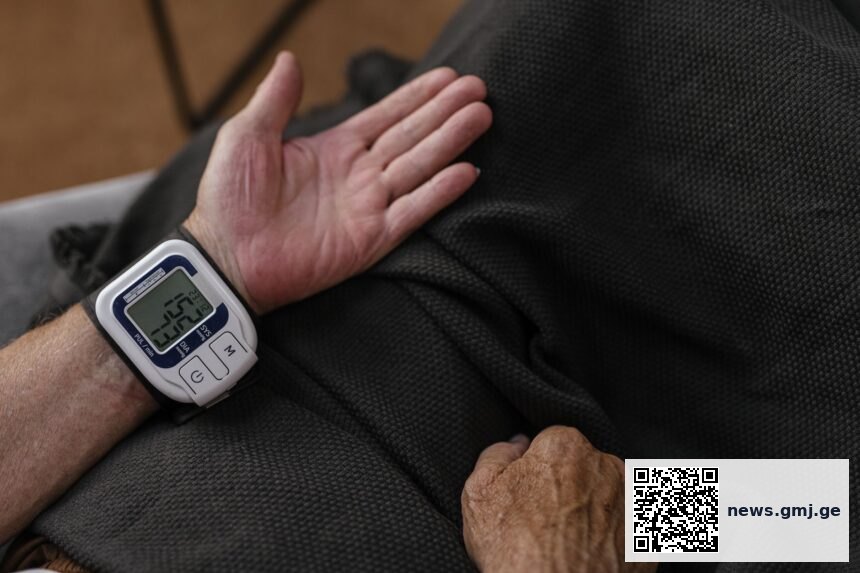
Digital blood pressure monitor with smartphone showing health data transmissionIllustrative image · Photo by SHVETS production on Pexels (Pexels License)
New research shows home blood pressure monitoring with digital data sharing reduces cardiovascular events by 36%. The study demonstrates significant benefits for heart attack and stroke prevention. — Photo by SHVETS production on Pexels (Pexels License)
SHARE
4 min read|759 words
✓ Medically reviewed by Prof. Giorgi Pkhakadze, MD, MPH, PhD · ORCID 0000-0001-7609-4515

🟠 Moderate Evidence

Contents
    • Key takeaways
      • Study at a Glance
      • Cardiovascular Risk Reduction by Monitoring Method
  • Digital Integration Transforms Hypertension Management
  • Evidence Base Supports Remote Monitoring Benefits
  • Implementation Challenges and Healthcare Integration
    • What this means
  • Frequently asked questions
    • How accurate are home blood pressure monitors compared to clinical devices?
    • What features should I look for in a digital blood pressure monitor?
    • How often should patients measure blood pressure at home?

Patients who monitor their blood pressure at home and share data directly with healthcare providers face significantly lower risks of cardiovascular hospitalization and death compared to those receiving standard care. A new study published in the European Heart Journal–Digital Health demonstrates that self-monitoring programs can deliver measurable reductions in heart attack and stroke risk.

Key takeaways

  • Home blood pressure monitoring with digital sharing reduces cardiovascular events by 36%
  • Patients showed significantly lower hospitalization rates compared to standard care groups
  • Digital health integration enables real-time clinical decision-making for hypertension management

Study at a Glance

Source European Heart Journal–Digital Health
Study type Observational cohort study
Sample size Data from digital monitoring programs
Population Hypertensive patients
Country Multi-center study
36%
reduction in cardiovascular events with home blood pressure monitoring

Cardiovascular Risk Reduction by Monitoring Method

Relative risk reduction for heart attack, stroke, and cardiovascular death

Digital home monitoring
36%
Traditional home monitoring
18%
Standard clinical care

0%

Source: European Heart Journal–Digital Health, 2024 | Georgian Medical Journal News

Submit Your Paper
GMJ_Submit_Banner

Digital Integration Transforms Hypertension Management

The study reveals that patients using home blood pressure monitoring systems with direct digital connectivity to healthcare providers experienced substantially better cardiovascular outcomes. This approach enables real-time clinical oversight and rapid intervention when blood pressure readings indicate increased risk.

🎙️ Related Podcast Episodes
🎧 #28 | GMJ Podcast | SheniEkimi.ge #1: Top 5 Evidence-Based Public Health News · 19m
🎧 #8 | WHO Food Safety Surveillance: Strengthening Global Systems to Detect and Prevent Foodborne Diseases · 19m

Traditional hypertension management relies heavily on periodic clinic visits, which may miss critical fluctuations in blood pressure between appointments. The World Health Organization estimates that 1.28 billion adults worldwide have hypertension, making effective monitoring strategies a global health priority. Home monitoring addresses this gap by providing continuous data streams that inform clinical decision-making.

Evidence Base Supports Remote Monitoring Benefits

The research adds to mounting evidence supporting home-based cardiovascular monitoring programs. Previous studies published in The BMJ have shown that self-monitoring can improve blood pressure control rates by up to 25% compared to usual care alone.

Healthcare systems implementing digital monitoring platforms report improved patient engagement and more timely clinical interventions. The Centers for Disease Control and Prevention recommends home blood pressure monitoring as part of comprehensive hypertension management, particularly for patients with white coat hypertension or masked hypertension. Our clinical updates section regularly covers advances in remote patient monitoring technologies.

Patients who self-monitored blood pressure with digital data sharing showed a 36% reduction in cardiovascular events compared to standard care protocols

— European Heart Journal–Digital Health research team (European Heart Journal–Digital Health, 2024)

Implementation Challenges and Healthcare Integration

While the evidence supports home monitoring benefits, healthcare systems face implementation barriers including device costs, patient training requirements, and clinical workflow integration. The National Institutes of Health emphasizes that successful remote monitoring programs require robust technical support and clear protocols for responding to abnormal readings.

Digital health platforms must balance accessibility with clinical functionality, ensuring that patients across age groups and technical literacy levels can participate effectively. Integration with electronic health records remains a key consideration for healthcare providers adopting home monitoring systems. Research published in our new studies archive continues to examine optimal implementation strategies for remote monitoring technologies.

What this means

For patients: Home blood pressure monitoring with digital sharing may significantly reduce your risk of heart attack and stroke when combined with regular medical care
For clinicians: Digital home monitoring platforms provide continuous patient data that enables more timely interventions and improved cardiovascular risk management
For policymakers: Investment in digital health infrastructure for remote monitoring could deliver substantial reductions in cardiovascular healthcare costs and improved population outcomes

Frequently asked questions

How accurate are home blood pressure monitors compared to clinical devices?

Modern validated home blood pressure monitors achieve accuracy within 5 mmHg of clinical-grade devices when used correctly. The American Heart Association recommends choosing monitors validated by the British Hypertension Society or similar organizations.

What features should I look for in a digital blood pressure monitor?

Key features include automatic data transmission to healthcare providers, memory storage for multiple readings, and validation by recognized medical organizations. Bluetooth connectivity and smartphone integration facilitate seamless data sharing with clinical teams.

How often should patients measure blood pressure at home?

Clinical guidelines typically recommend daily measurements for patients with hypertension, with specific timing protocols established by healthcare providers. Frequency may vary based on individual cardiovascular risk factors and treatment response.

The integration of home blood pressure monitoring with digital health platforms represents a significant advancement in cardiovascular disease prevention. As healthcare systems worldwide seek cost-effective strategies for managing chronic conditions, remote monitoring technologies offer scalable solutions that improve patient outcomes while reducing clinical burden. This research provides compelling evidence for expanding access to home monitoring programs as a standard component of hypertension management.

Source: Home blood pressure tests could prevent heart attack and stroke

Was this article helpful?

Disclaimer. This article is health journalism intended for general information and education. It is not medical advice and is not a substitute for professional diagnosis or treatment. Always consult a qualified healthcare provider about your individual circumstances. Full disclaimer →

Related Coverage

Scientists Disrupt Cancer Cell DNA Repair to Overcome Drug ResistanceJun 27, 2026
FDA Updates Alli Weight Loss Drug Label with Kidney Injury WarningJun 26, 2026
Modern Fathers More Likely to Discuss Sex and Relationships with Teenagers, Study ShowsJun 26, 2026
New Picture Book Series Targets Mental Health Development in Children Aged 7-12Jun 26, 2026
Related reference
  • Hypertension · Condition
  • Stroke · Condition
PG
Written by
Prof. Giorgi Pkhakadze, MD, MPH, PhD
Editor-in-Chief, GMJ News
Full profile →  ·  ORCID 0000-0001-7609-4515
Medical disclaimer. This article is health journalism intended for general information. It is not medical advice and is not a substitute for consultation with a qualified healthcare professional. Always seek your physician's advice regarding any medical condition.
Medically reviewed by Prof. Giorgi Pkhakadze, MD, MPH, PhD. Spotted an error? Contact the editorial team.
Get the GMJ News digest
Evidence-based health journalism in your inbox. No spam; unsubscribe anytime.
TAGGED:cardiovascular disease preventionDigital Healthhome blood pressure monitoringhypertension managementremote patient monitoring
Share This Article
Facebook LinkedIn Bluesky Copy Link Print
GMJ
ByGMJ Practice Desk
Follow:
GMJ Practice Desk is part of GMJ News, the newsroom of the Georgian Medical Journal (gmj.ge), published by the Public Health Institute of Georgia. Every article is editorially reviewed before publication.
Leave a Comment Leave a Comment

Leave a Reply Cancel reply

Your email address will not be published. Required fields are marked *

Submit Your Paper →

Georgia's peer-reviewed open-access medical journal. No APC until January 2027.
Submit Manuscript →
Scientists Disrupt Cancer Cell DNA Repair to Overcome Drug Resistance

New research shows UNI418 compound can disrupt cancer cell DNA repair mechanisms,…

UNICEF Calls for Equal Access to National Exams for All Sudanese Students Amid Ongoing Crisis

UNICEF calls for equal access to national examinations for all Sudanese students…

UNICEF Names 17-Year-Old Barcelona Star Lamine Yamal as Goodwill Ambassador

UNICEF appoints 17-year-old Barcelona footballer Lamine Yamal as Goodwill Ambassador, making him…

Submit Your Paper to GMJ

No APC until January 2027.
Submit Manuscript →

You Might Also Like

Medical illustration showing brown dog tick and SFTS virus transmission pathway
Clinical UpdatesGlobal HealthNew StudiesPolicy & SystemsPracticeResearch Digest

Brown Dog Tick Linked to Fatal SFTS Case with Multiorgan Failure in Thailand

By
GMJ Practice Desk
09/06/2026
Map showing dengue transmission risk zones across California with climate change projectionsIllustrative image · Photo by Robert So on Pexels (Pexels License)
New StudiesResearch Digest

Dengue transmission risk in California set to expand dramatically under climate change

By
GMJ Research Desk
21/06/2026
Medical imaging comparison showing enhanced MRI detecting small brain tumor missed by standard scan
Clinical UpdatesNew StudiesPracticeResearch Digest

New Imaging Technique Reveals Hidden Brain Tumors Missed by Standard MRI

By
GMJ Practice Desk
07/06/2026
Brain imaging visualization showing metabolic activity patterns in anxiety disorders research
New StudiesResearch Digest

Meta-Analysis Reveals First Biochemical Signature Common Across Multiple Anxiety Disorders

By
GMJ Research Desk
26/05/2026
Facebook Twitter Youtube Instagram
Company
  • Privacy Policy
  • Contact US
  • GMJ Journal
  • Submit Manuscript
  • Editorial Team
  • Register at GMJ
  • Terms of Use

Subscribe to GMJ News — Click here

Join Community
© 2026 Georgian Medical Journal (GMJ). Published by the Public Health Institute of Georgia (PHIG). All rights reserved.
Welcome Back!

Sign in to your account

Username or Email Address
Password

Lost your password?

Not a member? Sign Up